Crispy Air Fryer Salmon Patties: Easy Recipe
Most folks struggle with Air Fryer Salmon Patties Recipes because they treat fish like ground beef. They overmix the binder, leading to dense, rubbery discs that fall apart in the basket. Or worse, they rely solely on timers, pulling out dry, chalky patties when perfect ones were just seconds away.
The secret lies in visual cues rather than rigid clocks. As of 2026, modern air fryers vary wildly in wattage and airflow design. A recipe written for a 1500-watt unit will burn food in a 2000-watt powerhouse.
You need to understand what done looks like. Let’s break down exactly how to get that crispy exterior and moist interior every single time.

Image source: Web (Bing) / easyrecipestotry.com (Web image (fair-use with source credit))
Why Visual Cues Beat Timers for Air Fryer Salmon Patties
Timers are convenient, but they’re blind guides. An aggregate review of user complaints highlights one recurring theme: inconsistency. Your salmon fillet might be thicker than expected.
Your air fryer might run hotter than the dial suggests. Relying on "10 minutes at 375°F" ignores these variables.
Visual indicators tell you the truth. Look for opacity first. Raw salmon is translucent pink.
Cooked salmon turns opaque white or pale pink. If you see any translucency near the center, it needs more time. But watch closely.
That transition happens fast.
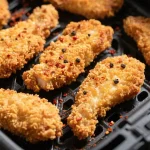
Next, check the crust color. You want golden brown edges, not blackened spots. Dark spots mean the exterior is drying out while the inside remains raw.
This imbalance ruins texture. The ideal patty has a uniform tan-gold surface.
Finally, assess structural integrity. Gently press the top with a spatula. It should spring back slightly.
If it feels mushy, it’s undercooked. If it cracks or feels rock-hard, it’s overdone. These three checks, opacity, color, and firmness, replace the timer entirely.
Trust your eyes. They don’t lie.
Quick Answer
Air Fryer Salmon Patties Recipes work best by mixing drained canned salmon with panko breadcrumbs and egg. Form four equal patties. Spray lightly with oil.
Air fry at 375°F for 8-10 minutes. Flip halfway through. Cook until internal temperature hits 145°F.
The exterior should be golden brown and crisp. Avoid overmixing to prevent a dense texture. Serve immediately with tartar sauce or lemon wedges for optimal flavor and moisture retention.
The Perfect Patty Formula: Binders, Moisture, and Mix Ratios
Getting the mix right prevents disaster. Too much liquid creates steam, making the patties soggy. Too little binder causes them to crumble.
We’ve found the sweet spot relies on proper drainage and specific ratios.
Start with high-quality canned salmon. Drain it thoroughly. Press out every drop of water using a fork or paper towels.
Residual moisture is the enemy of crispiness. For every 6 ounces of drained salmon, use about ¼ cup of fine breadcrumbs. Panko works best for lightness.
Regular crumbs can make the mixture gummy.
Add one large egg per pound of fish. This acts as the glue. Whisk the egg separately before folding it into the salmon.
This ensures even distribution without overworking the protein. Season generously with salt, pepper, garlic powder, and fresh herbs like dill or parsley. Acid helps balance the richness.
Add a teaspoon of lemon zest, not juice, to avoid adding liquid.
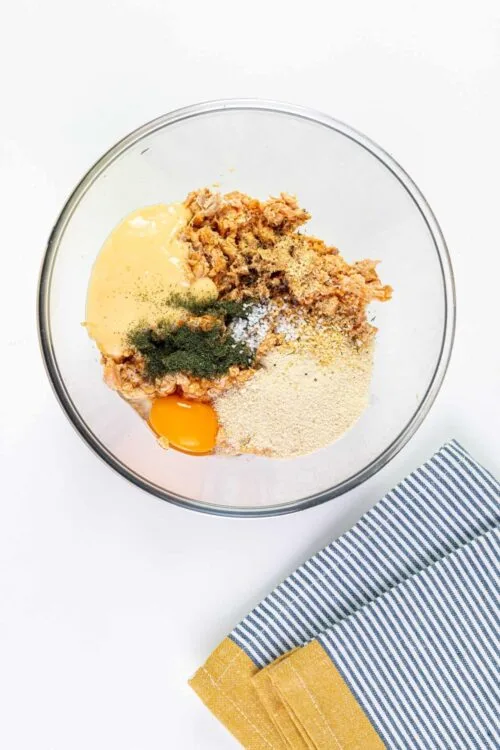
Mix gently. Use a fork to flake the salmon and combine ingredients. Stop as soon as everything holds together.
Overmixing breaks down the delicate flakes. The result should be cohesive but still textured. You’ll notice small chunks of salmon remain visible.
That’s good. It promises a tender bite. Test one small patty in the air fryer first if you’re unsure about consistency.
Adjust the breadcrumb amount accordingly.
Step-by-Step Execution with Critical Texture Checkpoints
Preparation sets the stage for success. Begin by preheating your air fryer to 375°F. Most models require 3-5 minutes.
This initial blast sears the outside quickly, locking in moisture. While it heats, form your patties.
Use a ring mold or a clean jar lid for uniform shapes. Aim for ¾-inch thickness. Thinner patties dry out too fast.
Thicker ones may stay raw in the middle. Place parchment paper liners in the basket if your model allows airflow around the edges. Otherwise, spray the basket directly with avocado oil spray.
Avocado oil has a higher smoke point than olive oil, preventing bitter flavors.
Arrange the patties in a single layer. Do not overlap them. Crowding blocks hot air circulation, leading to uneven cooking.
Leave at least half an inch of space between each disc. Cook for 4 minutes initially. Then, flip carefully using a thin spatula.
Support the bottom to prevent breaking.
Cook for another 4-6 minutes. Watch closely during this second phase. The exterior should deepen to golden brown.
The internal temperature must reach 145°F according to USDA guidelines. Insert an instant-read thermometer into the thickest part. Wait ten seconds for an accurate reading.
Remove immediately once target temp is hit. Let them rest for two minutes. This allows juices to redistribute slightly, keeping the fish moist.
Spotting Doneness vs. Dryness: A Visual Reference Guide
Knowing when to stop is harder than knowing when to start. Fish continues to cook after removal due to residual heat. Pulling them out at 140°F often results in perfect 145°F doneness after resting.
Going past 150°F guarantees dryness.
Look for these specific signs. First, check the side profile. The layers of salmon should separate easily but hold shape.
If they shred uncontrollably, they’re likely overcooked. Second, examine the crust. It should look dry and crisp, not greasy or wet.
Excess oil pooling indicates insufficient draining beforehand. Third, listen. A properly cooked patty makes a faint sizzling sound when touched.
Silence means it’s cold or burnt.

Compare colors carefully. Undercooked centers appear glossy and translucent. Perfectly cooked interiors are matte and opaque.
Overcooked areas turn dull gray or white-chalky. If you slice one open prematurely, look for steaming. Heavy steam suggests trapped moisture from poor draining.
Light wisps indicate proper evaporation.
Trust the thermometer over appearance alone. Visuals help gauge browning, but temp confirms safety. Per USDA Food Safety standards, 145°F is non-negotiable for seafood.
However, aim for precision. Digital thermometers read faster than analog ones. Calibrate yours monthly for accuracy.
Small errors compound quickly with thin proteins like salmon.
Common Pitfalls That Ruin Crispiness or Structure
Why do patties fall apart? Usually, it’s moisture overload. Canned salmon often retains brine.
If you skip the pressing step, steam builds up inside the patty. This forces the binder to release its grip. The result is a crumbling mess in your basket.
Always drain thoroughly before mixing.
Another frequent error involves overcrowding. Users try to fit six patties into a four-quart fryer. Airflow gets blocked completely.
The bottom stays soggy while the top burns. Stick to a single layer with gaps. Batch cooking takes longer but saves the dish.
Patience pays off here.
Overmixing destroys texture too. Salmon flakes are delicate. Aggressive stirring turns them into paste.
You lose that desirable chunky mouthfeel. Fold ingredients gently with a fork. Stop as soon as they hold together.
A rustic look means better eating quality. Don’t aim for smooth uniformity.
Finally, skipping the oil spray leads to sticking. Even non-stick baskets need lubrication for fish proteins. Without it, the crust bonds to the metal.
Flipping tears the surface apart. Use an avocado or olive oil mist. Apply lightly to both sides.
This promotes even browning and easy release. It’s a small step with big impact.
Flavor Variations and Serving Pairings
How can you switch things up? Base recipes work well, but variety keeps meals interesting. Try swapping dill for cilantro and lime zest.
Add a pinch of cumin for a Mexican twist. Mix in diced jalapeños for heat. These changes alter the profile without needing new techniques.
For an Asian-inspired version, use soy sauce instead of salt. Stir in minced ginger and sesame oil. Top with green onions after cooking.
Serve with sweet chili dipping sauce. This combination pairs beautifully with steamed rice. It transforms a simple patty into a global meal.
Experimentation encourages family acceptance.
Mediterranean flavors also shine here. Incorporate feta cheese crumbles into the mix. Add chopped Kalamata olives and sun-dried tomatoes.
Oregano ties these elements together nicely. Serve alongside cucumber salad or tzatziki. The acidity cuts through the richness of the salmon.
Balance is key in every variation.
Pairing matters just as much as seasoning. Tartar sauce remains the classic choice. Its creaminess complements the crispy exterior.
Lemon wedges provide necessary brightness. For lighter options, try Greek yogurt mixed with herbs. Coleslaw adds crunch and freshness.
Choose sides that contrast textures. Avoid heavy starches that mask the fish flavor. Simple accompaniments elevate the main event.
Safety Standards and Storage Guidelines
Is leftover salmon safe to eat? Yes, if handled correctly. Per USDA guidelines, refrigerate within two hours of cooking.
Store in an airtight container. Consume within three days for best quality. After that, bacterial growth risks increase significantly.
Trust your nose before tasting old food.
Reheating requires care to prevent dryness. Microwaves often rubberize fish proteins. Instead, use the air fryer again.
Set it to 320°F for 3-4 minutes. This restores crispiness without overcooking the center. Check internal temperature reaches 165°F when reheating leftovers.
Safety protocols apply strictly to stored items.
Freezing extends shelf life considerably. Cooked patties freeze well for up to three months. Wrap individually in plastic film first.
Place in freezer bags labeled with dates. Thaw overnight in the refrigerator. Never thaw at room temperature.
Bacteria multiply rapidly in the danger zone (40°F-140°F). Proper storage protects health and taste alike.
Cross-contamination poses hidden dangers. Keep raw salmon separate from ready-to-eat foods. Wash hands thoroughly after handling uncooked fish.
Clean cutting boards with hot soapy water. Sanitize countertops regularly. These basic hygiene steps prevent illness.
Vigilance ensures every meal remains safe. Follow these rules consistently for peace of mind.

Similar Posts