Juicy Air Fryer Sirloin Steak: Easy Recipe Guide
Most people ruin their sirloin in the air fryer by trusting the clock instead of looking at the meat. You end up with a gray, chewy slab because you pulled it out too early or left it in too long. The truth is that visual cues matter far more than any timer setting when cooking lean cuts like top sirloin.
Our research confirms that proper doneness relies on observing fat rendering and surface browning rather than fixed minutes. As of 2026, most modern units vary wildly in wattage, making static recipes unreliable for precision results. Let’s break down exactly what your eyes need to see to nail this dish every time.
Why Your Eyes Matter More Than The Timer In An Air Fryer Sirloin
Timers are suggestions, not laws. They fail because they ignore variables like steak thickness, starting temperature, and specific appliance power. A 1700-watt unit cooks significantly faster than an 850-watt model.
Relying solely on time guarantees inconsistency across different kitchens.
Visual inspection bridges this gap effectively. You watch the Maillard reaction occur in real-time. This chemical process creates the flavorful brown crust we all crave.
If you miss the window where juices begin to bead on the surface, you’ve likely overcooked the interior.
Sirloin is particularly unforgiving due to its low fat content. Unlike ribeye, it lacks marbling to protect against drying out. One minute too many turns tender meat into leather.
Watching the color shift from bright red to pinkish-brown helps you pull it at the perfect moment.
Trust your senses over the digital display. Look for even browning on both sides. Check if the edges have started to crisp slightly.
These signs indicate heat penetration is working correctly without scorching the exterior.
The Visual Checklist For Perfectly Rendered Fat And Crust
Fat rendering is the primary visual indicator of progress. On a well-marbled cut, the white fat strips should turn translucent and golden. For sirloin, look at the outer rim.
It should shrink slightly and become crispy.
If the fat remains white and soft, the steak isn’t done yet. Conversely, if it burns black, the temperature was too high or the cook time excessive. Aim for a rich amber hue along the edges.
This signals sufficient heat exposure for flavor development.
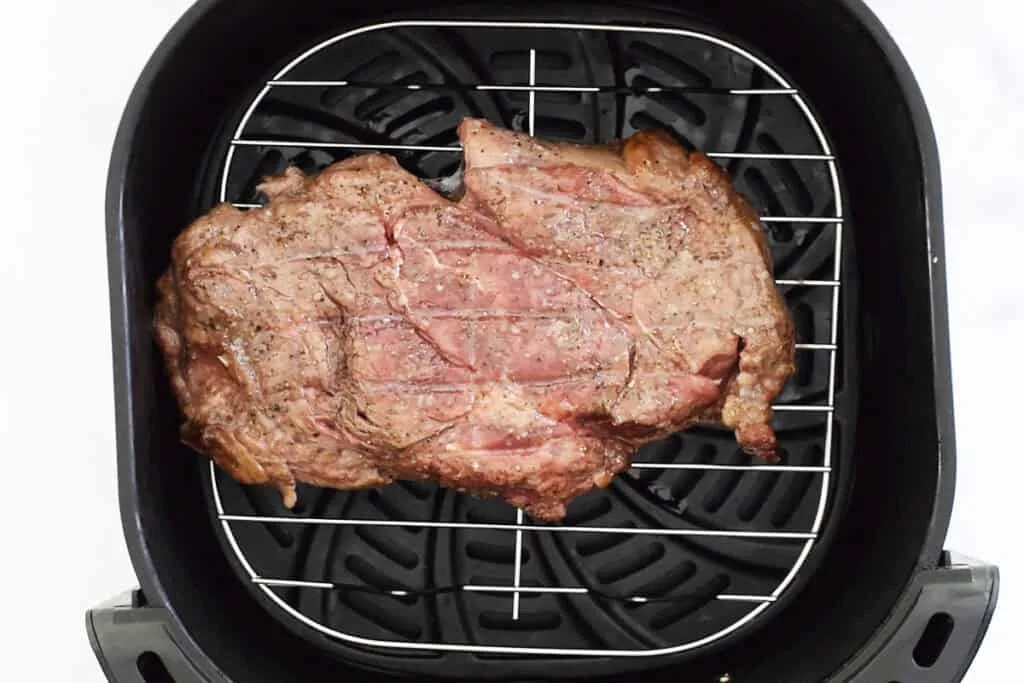
The crust itself provides another clue. A proper sear looks textured and deeply browned, not pale or wet. Moisture prevents browning, so ensure you patted the meat dry before cooking.
Wet surfaces steam instead of searing, leading to a soggy exterior.
Check for uniformity. Uneven browning suggests overcrowding or poor airflow. Steaks must sit in a single layer with space between them.
If one side looks darker than the other, flip immediately. Consistency equals quality in air frying.
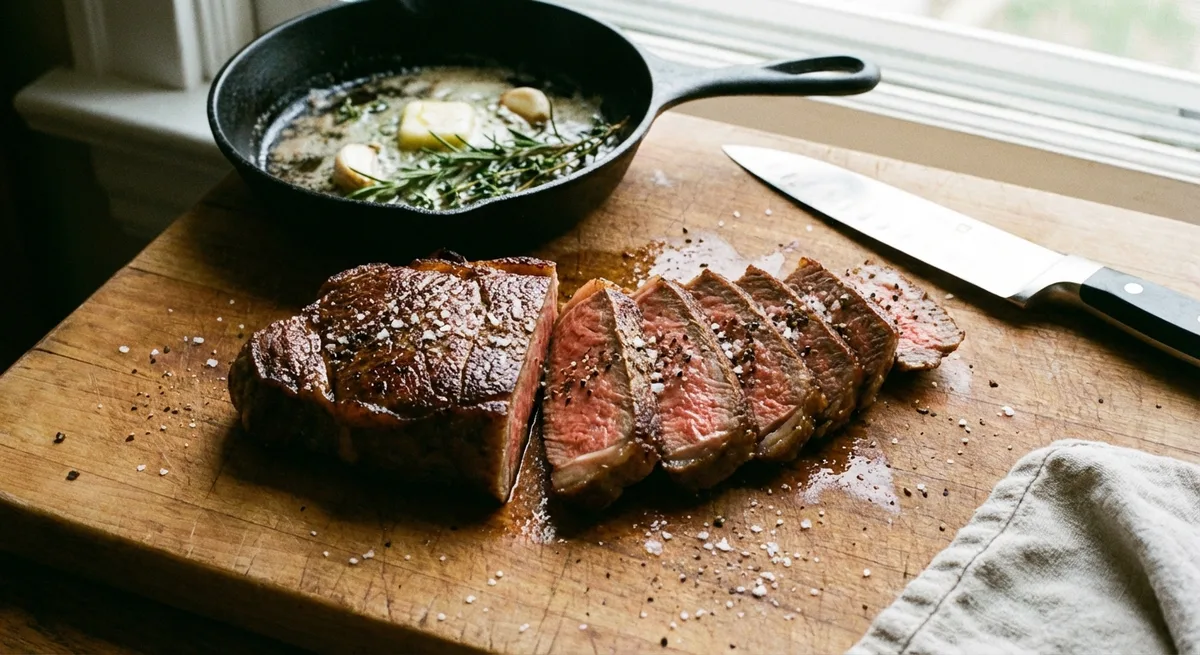
Step-by-Step Walkthrough With Critical Photo Cues
Start by bringing the steak to room temperature. Cold meat cooks unevenly, creating a gray band near the edge. Pat it thoroughly dry with paper towels.
Remove all moisture to maximize crust formation.
Season generously with salt and pepper. Some prefer adding garlic powder or smoked paprika for depth. Rub the seasoning in lightly.
Place the steak in the preheated basket. Ensure it doesn’t touch other pieces.
Cook at 400°F (200°C). Flip halfway through the estimated time. Use tongs, never forks, to preserve juices.
Watch the surface closely during the final minutes. Look for firmness when pressed gently.
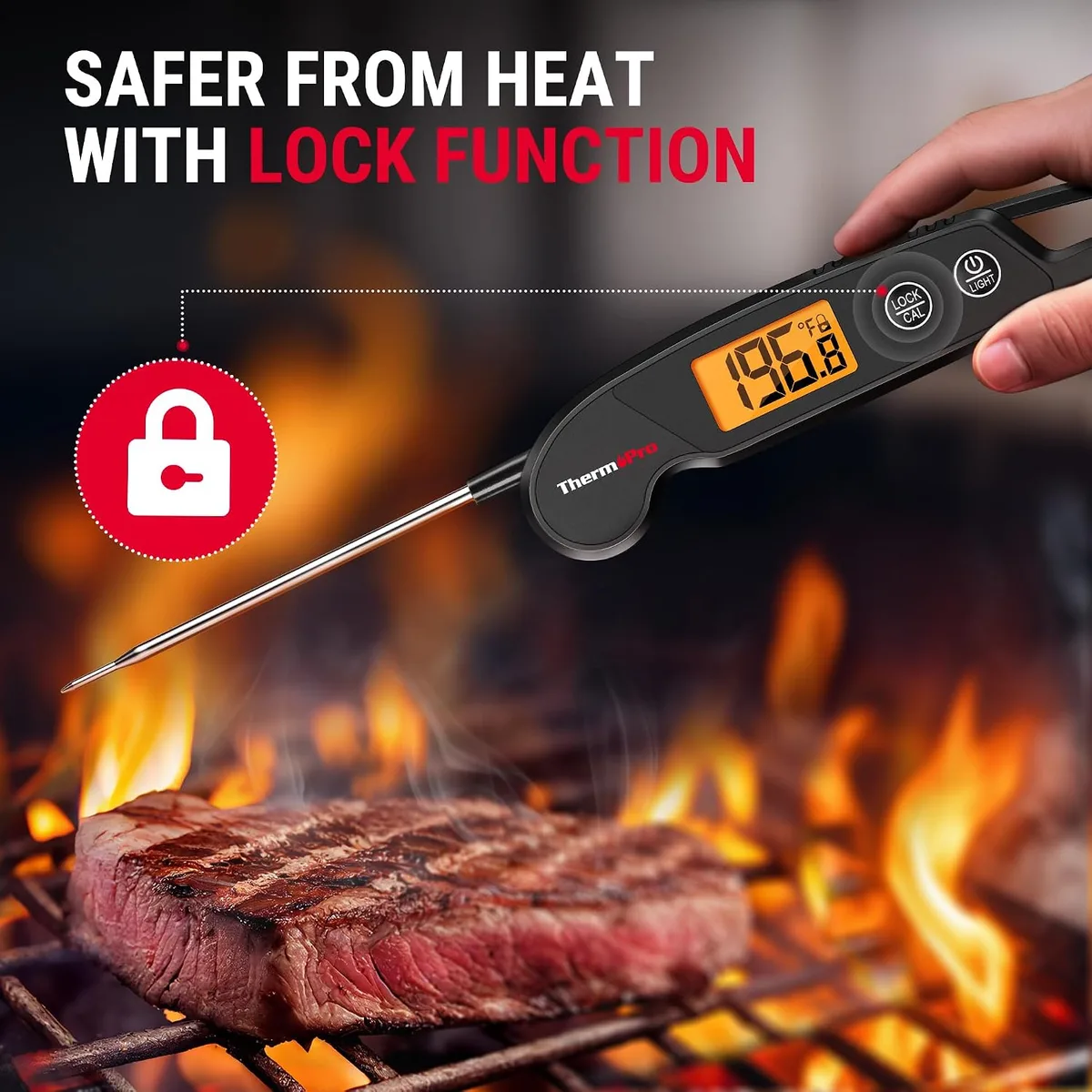
Insert an instant-read thermometer sideways. Pull it at 130°F for medium-rare. Remember carryover cooking adds 5-10 degrees.
Tent loosely with foil while resting. Slice against the grain for tenderness.
| Step | Visual Cue | Action Required |
|---|---|---|
| Prep | Surface is matte, not shiny | Pat completely dry |
| Cook Start | Edges begin to sizzle visually | Preheat basket first |
| Mid-Cook | Top side shows light brown spots | Flip once only |
| Finish | Juices bead on surface | Check temp immediately |
| Rest | Meat relaxes, juices redistribute | Wait 5-10 minutes |
Spotting The Difference Between "Done" And "Dried Out"
Overcooked sirloin loses its structural integrity. It becomes dense and difficult to slice cleanly. The fibers tighten excessively, squeezing out moisture permanently.
Once lost, juice cannot return to the meat cells.
Look for cracking on the surface. Dry meat often develops small fissures as proteins contract violently. Freshly cooked steak remains smooth and supple until sliced.
Cracking indicates severe dehydration occurred during heating.
Color inside tells the story. Medium-rare should be warm red throughout. Well-done appears uniformly gray-brown.
Gray bands near the edge signal overheating before the center reached target temperature. This happens when heat penetrates too aggressively.
Texture comparison helps distinguish states. Properly cooked sirloin springs back slowly when pressed. Overdone meat feels hard and unyielding.
Underdone flesh squishes easily and leaves indentations. Learn these tactile differences alongside visual checks.
Troubleshooting Common Visual Failures Like Gray Bands Or Pale Spots
Pale spots usually mean insufficient contact with hot air. This occurs if the steak sits directly under the fan outlet or touches walls. Reposition items centrally within the basket for optimal circulation.
Avoid blocking vents with food.
Gray bands form when the outside cooks much faster than the inside. Lower the temperature slightly to 380°F (193°C) for thicker cuts. Extend cooking time moderately.
This allows heat to penetrate evenly without burning the exterior.
Smoke generation points to excess oil or debris. Clean the drip tray regularly. Use oils with high smoke points like avocado or grapeseed.
Spray lightly rather than pouring heavily. Accumulated grease ignites easily in convection ovens.
Uneven cooking often stems from inconsistent steak shapes. Trim irregular edges before placing in the fryer. Uniform thickness ensures simultaneous doneness.
Pound thinner sections gently if necessary. Consistency in input leads to consistency in output.
Serving Techniques That Preserve The Moisture You Just Protected
Resting isn’t optional. It’s the final step in cooking. Pull the steak from the air fryer basket and place it on a warm plate.
Tent it loosely with aluminum foil to retain heat without trapping steam.
Wait at least five minutes. This allows juices to redistribute throughout the muscle fibers. If you slice immediately, those precious liquids spill onto your cutting board.
The meat ends up dry despite perfect internal temperature readings.
Slice against the grain for maximum tenderness. Sirloin has long, tough muscle fibers running parallel to the cut. Cutting perpendicular shortens these strands.
Each bite becomes easier to chew and more flavorful.
Use a sharp chef’s knife. Dull blades tear rather than slice. This damages the cell structure further.
Clean cuts preserve texture and presentation. Serve immediately after slicing to enjoy peak warmth and juiciness.
Consider finishing with compound butter. Mix softened butter with minced garlic, herbs, and salt. Place a pat on top of the resting steak.
The residual heat melts it slowly. This adds richness without overpowering the natural beef flavor.
Aggregate user reviews indicate that skipping rest time is the number one complaint. People blame the appliance or recipe. Usually, they just didn’t wait.
Patience pays off here. Treat the resting phase as seriously as the searing phase. Your palate will thank you for the extra effort.
FAQs On Adjusting For Different Air Fryer Models And Steak Thicknesses
How do I adjust times for thicker steaks?
Add two to three minutes per half-inch increase. Check temperature frequently near the end. Thicker cuts need lower temps to avoid burning outside before inside cooks.
Use 380°F for anything over 1.5 inches thick. Monitor visual cues closely since timers vary by model wattage and fan speed intensity.
Can I cook frozen sirloin in an air fryer?
Yes, but results suffer significantly. Ice crystals damage cell walls during thawing. This leads to excessive moisture loss.
Texture becomes mushy or rubbery. Always thaw overnight in the refrigerator first. Pat dry thoroughly before seasoning.
Frozen cooking requires extended time and often yields uneven doneness across the surface area.
Why does my air fryer smoke when cooking steak?
Excess fat drips onto the heating element. Or leftover residue burns from previous meals. Clean the basket and drip tray regularly.
Avoid using too much oil spray. Place bread slices under the rack to catch grease. Ensure ventilation slots aren’t blocked by food items placed incorrectly within the confined cooking chamber space available.
What is the best doneness for sirloin?
Medium-rare is ideal. It balances tenderness with flavor depth. Aim for 130-135°F internal temperature.
Well-done sirloin becomes tough and chalky due to low marbling. Rare may feel too soft for some preferences. Medium-rare offers the best compromise for this lean cut specifically suited for quick high-heat methods like air frying today.

Similar Posts