Juicy Air Fryer Steak Bites: Easy Recipe Guide
Most people ruin their Air Fryer Steak Bites Recipes by trusting the clock instead of their eyes. You pull out a basket of grey, steamed cubes when you wanted a crispy sear. The problem isn’t your recipe.
It’s that air fryers cook via convection, which behaves differently than a hot pan.
Visual cues matter more than timers here. As of 2026, most manufacturers recommend preheating to ensure immediate crust formation. Without that initial blast of heat, moisture escapes slowly.
This leads to rubbery textures rather than juicy bites. Let’s look at why your steak looks wrong and how to fix it.
Why Your Air Fryer Steak Bites Look Wrong (And How to Fix Them)
You’ve likely seen those pale, wet-looking cubes in your basket. They lack the browned edges we crave. This happens because the surface temperature never got high enough to trigger the Maillard reaction quickly.
Instead, the meat released juices into the hot air. That steam bathed the exterior, preventing any crust from forming.
The fix starts with moisture control. Pat every single cube dry with paper towels before seasoning. Any residual water on the surface turns to steam instantly.
Steam blocks browning. Dry surfaces allow oil to conduct heat directly to the proteins. This creates that desirable golden-brown shell.
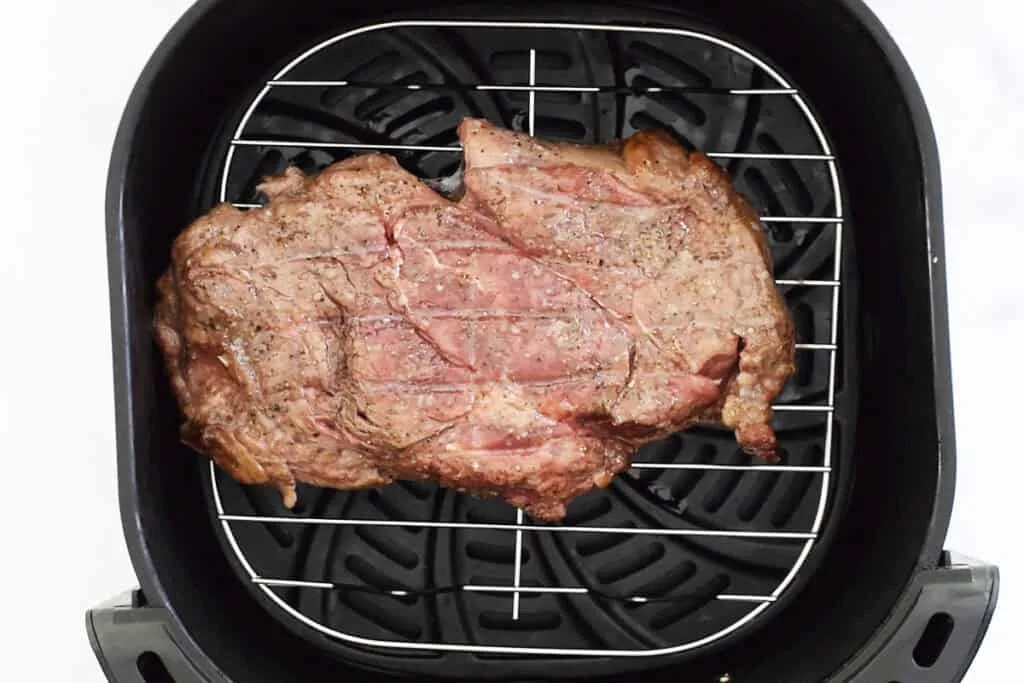
Image source: Bing (Web (fair-use with source credit))
Also, check your loading density. If cubes touch or overlap, they shield each other from airflow. The hidden sides stay raw and grey.
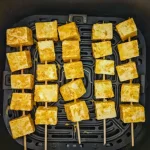
Arrange them in a strict single layer. Leave small gaps between pieces if possible. This ensures hot air circulates around every face of the meat.
Consistent exposure equals consistent color.
The Visual Gap Between "Steamed" and "Seared"
Understanding this gap helps you diagnose issues mid-cook. A "steamed" bite looks uniformly light tan or pinkish-grey. It feels soft and spongy to the touch.
A "seared" bite has dark brown, almost blackened edges. It feels firm and crisp.
If you see steam rising heavily from the basket early in the cycle, pause. Shake the basket vigorously. This releases trapped moisture.
If the steam persists, your portion was too large for the unit’s capacity. Remove half the batch. Finish the remaining cubes alone.
Quality over quantity wins every time.
Choosing the Right Cut for Perfect Cube Geometry
Not all steaks behave the same in an air fryer. Thin cuts like flank or skirt can become tough and chewy if overcooked even slightly. Their muscle fibers run long and parallel.
Cutting across the grain is non-negotiable here.
Thicker, well-marbled cuts like Ribeye or New York Strip offer more forgiveness. The intramuscular fat renders slowly, keeping the interior moist. Sirloin Tip sits in the middle ground.
It’s lean but tender enough for quick cooking. Choose based on your risk tolerance for dryness.
| Cut Type | Best For | Visual Cue When Done | Risk Factor |
|---|---|---|---|
| Ribeye Cap | Maximum Flavor | Dark crust, visible rendered fat rings | High smoke point needed |
| NY Strip | Balanced Texture | Even browning, slight pink center | Can dry out if >10 mins |
| Sirloin Tip | Budget Friendly | Uniform shape, matte finish | Toughens rapidly if overcooked |
| Flank/Skirt | Marinade Heavy | Charred edges, distinct grain lines | Chews easily if not sliced thin |
For beginners, stick to Sirloin Tip or Chuck Eye Roll. These cuts are affordable and forgiving. They hold their shape well during the tumbling action of shaking the basket.
Avoid very thin slices under ½ inch. They will vanish into jerky-like strips before you notice.
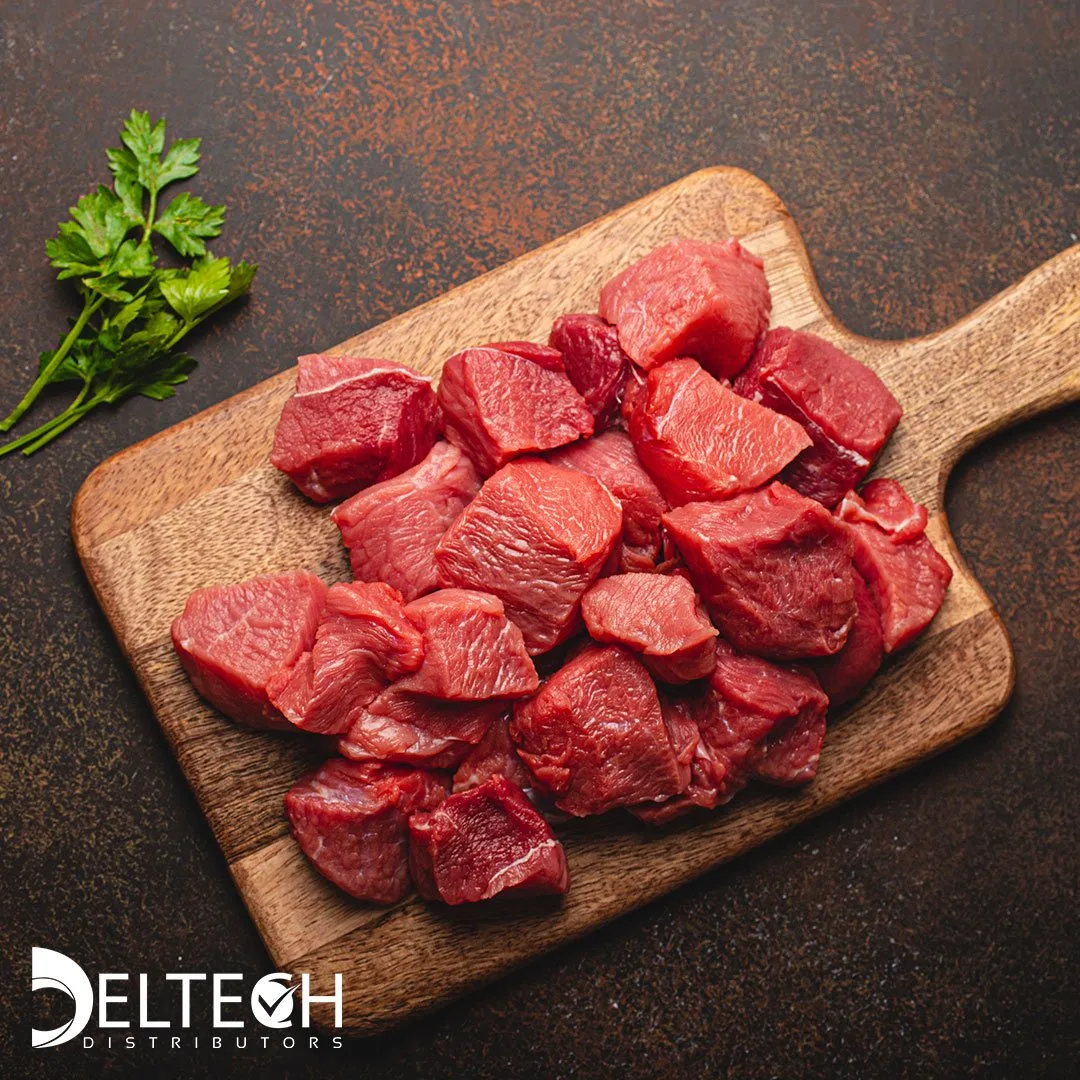
Image source: Bing (Web (fair-use with source credit))
Geometry dictates success. Aim for ¾-inch to 1-inch cubes. Anything smaller cooks too fast, leading to uneven doneness.
Anything larger requires longer times, increasing the chance of a grey band forming beneath the crust. Measure twice, cut once. Uniformity is your best friend in convection cooking.
The 3-Step Prep That Guarantees a Crusty Exterior
Preparation determines outcome more than cooking time does. Follow these three steps strictly. Skip any one, and you’ll struggle with texture issues later.
First, trim excess hard fat. While marbling is good, large chunks of silverskin or hard cap fat won’t render fully in short cycles. They remain chewy and unpleasant.
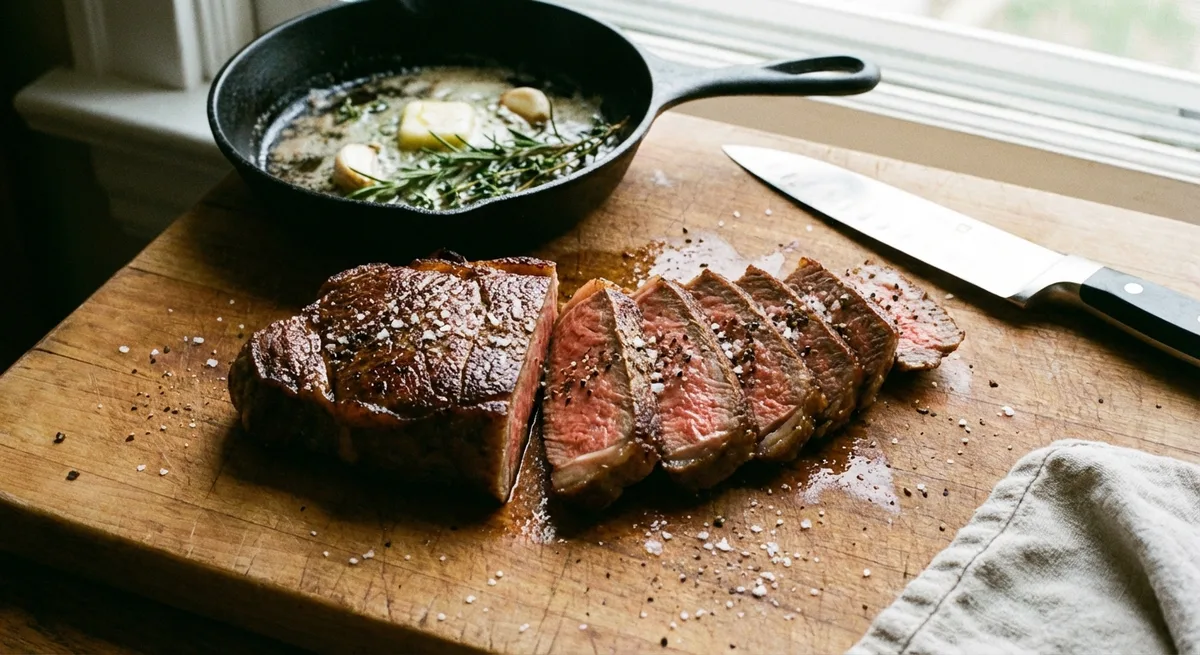
Use a sharp boning knife to remove these tough connective tissues. Leave the soft, white marbling intact.
Second, apply oil correctly. Do not pour oil directly onto the meat. This causes pooling and uneven coating.
Use an oil spray bottle or toss cubes in a bowl with 1 teaspoon of high-smoke-point oil per pound. Avocado oil or refined grapeseed oil works best. Olive oil burns at typical air fryer temperatures (400°F/200°C), creating bitter flavors.
Third, season generously after oiling. Salt draws out moisture initially, so adding it before oil can create a wet barrier. Oil first, then salt and pepper.
This locks the seasoning onto the oily surface. Consider adding garlic powder or smoked paprika now. These spices burn easily, so avoid fresh herbs until the end.
Fresh rosemary or thyme should go on during the last minute of cooking or as a garnish.
This sequence ensures every cube has a thin, even film of fat. That film conducts heat efficiently. It promotes rapid browning without smoking out your kitchen.
Per USDA guidelines, proper handling prevents cross-contamination during this messy prep phase. Always wash hands and boards after touching raw beef.
Reading the Basket: A Visual Timeline of Doneness
Timers lie. Eyes don’t. Here is what you should see at key intervals for 1-inch sirloin cubes at 400°F (200°C).
Note that wattage varies by model, so adjust timing accordingly.
At minute 0, 2, the meat should still look mostly raw. You might see slight tightening of the surface. No significant color change yet.
If it browns instantly, your appliance runs hotter than rated. Lower temp to 375°F (190°C).
By minute 4, expect partial browning. Edges start to turn golden. Centers remain pink-red.
This is the halfway mark. Shake the basket firmly. Rotate the pile so bottom cubes come to the top.
Uneven heating is common in basket-style units.
At minute 6, 8, full crust development occurs. Most surfaces should be deep brown. Some darker char spots are normal and desirable.
The internal color should be medium-rare to medium depending on preference. Insert an instant-read thermometer. Pull at 125°F (52°C) for rare, 135°F (57°C) for medium-rare.
Remember carryover cooking adds 5, 10 degrees.
Minute 10+ is risky territory. Unless using very thick cuts, you’re approaching well-done. The exterior may begin to dry out.
Juices escape faster than fat renders. Stop cooking immediately if crust is achieved. Resting the meat allows juices to redistribute.
Serve within 2 minutes of removal for optimal texture.
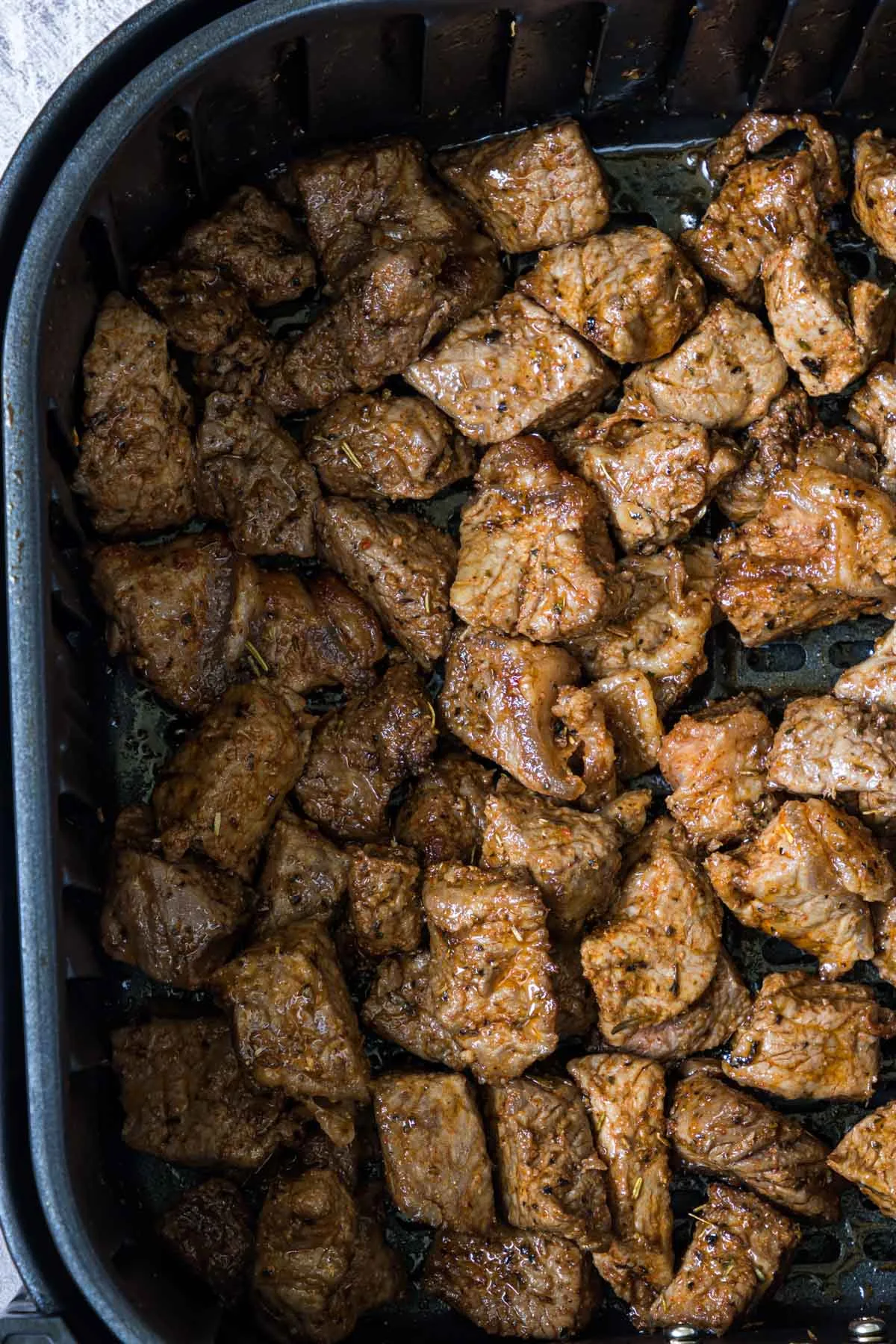
Image source: Bing (Web (fair-use with source credit))
Use visual checkpoints rather than fixed times. Every air fryer differs. Learn your machine’s quirks.
Does it hotspot on the left? Does it require frequent shaking? Track these patterns.
After five batches, you’ll know exactly when to open the drawer. Trust your senses over the manual.
Troubleshooting Common Visual Failures
Even with perfect prep, things go wrong. Identify the failure mode quickly to save future batches.
Grey rings indicate low temperature or overcrowding. The outside cooked, but the inside stayed cool too long. Increase heat to 400°F+.
Reduce batch size. Ensure cubes aren’t stacked. Single-layer cooking is mandatory for even thermal transfer.
Soggy spots mean excess moisture remained on the surface. Did you skip patting dry? Or did you use marinades with high sugar content?
Sugar liquefies before it caramelizes in humid conditions. Switch to dry rubs or reduce marinade time. Wipe off excess liquid before placing in basket.
Burnt edges with raw centers suggest fan speed is too aggressive or placement is poor. Large fans blow hot air directly onto exposed faces. Move sensitive items away from direct vent paths.
Alternatively, lower temperature and extend time slightly. This allows heat to penetrate without scorching the exterior.
Smoke alarms going off usually means fat dripping onto the heating element. Clean the drip tray regularly. Avoid fatty cuts like heavy Ribeye caps unless you add bread crumbs to the tray base.
Bread absorbs grease and prevents smoking. Check manufacturer specs for maximum fat load limits.
Finally, inconsistent coloring often stems from old non-stick coatings. Worn baskets reflect heat poorly. Replace accessories if scratching is visible.
A smooth, clean surface ensures uniform radiation absorption. Invest in ceramic-lined baskets if available for your model. They resist wear better than traditional Teflon alternatives.
Serving Strategies Based on Texture Goals
Match your sauce to the crust level you achieved. A deep, dark sear pairs well with bold, acidic flavors that cut through richness. Think chimichurri or a sharp balsamic glaze.
These lift the heavy beef notes without masking the char.
Lighter browning benefits from creamy accompaniments. Blue cheese crumbles or horseradish aioli add moisture back into leaner cuts like sirloin tip. The fat content in these sauces compensates for any slight dryness from over-shaking.
It’s a functional pairing, not just aesthetic.
Temperature matters too. Serve immediately after resting. Air fryer steak bites lose their crisp edge within three minutes of sitting out.
Steam builds up under foil covers, softening the shell. Keep them uncovered on a warm plate if possible.
Garnish with fresh herbs only at the end. Rosemary needles burn quickly at 400°F. Add them post-cook for aroma without bitterness.
Lemon zest brightens the dish visually and flavor-wise. It signals freshness against the dark meat.
Consider portion sizing for presentation. Twelve to fifteen bites per serving looks abundant but remains manageable. Overloading the plate makes them stick together again.
Space them out slightly. This preserves individual texture integrity until the first bite.
Frequently Asked Questions About Air Fryer Steak Appearance
Why do my steak bites look pale despite high heat?
Pale results usually stem from excess surface moisture. Water boils at 212°F, cooling the meat below the Maillard threshold. Ensure you pat every cube completely dry before oiling.
Residual marinade liquid also prevents browning. Wipe off wet ingredients thoroughly. Dry surfaces sear faster and darker.
Can I cook frozen steak cubes directly?
Yes, but expect compromised texture. Frozen cubes release significant water as they thaw in the basket. This creates steam, leading to grey, soggy exteriors.
Thaw fully in the fridge overnight for best results. If rushed, use lower temps (350°F) initially. Finish with higher heat for color.
Quality drops noticeably compared to fresh meat.
How does wattage affect visual doneness cues?
Higher wattage units brown food faster due to intense airflow. A 1700-watt model may need two minutes less than a 1200-watt one. Watch for color shifts rather than timer alerts.
Early browning indicates powerful heating elements. Adjust times downward for robust machines. Visual checks remain the most reliable metric across all brands.
What causes black spots on otherwise perfect bites?
Black spots often signal burnt seasoning or sugar. Garlic powder and brown sugars carbonize rapidly above 400°F. Reduce spice loads or mix them into oil first.
Avoid sugary glazes until the final minute. Charred bits taste bitter and acrid. Clean baskets regularly to prevent old residue from burning onto new batches.
Consistent cleaning ensures pure flavor profiles.

Similar Posts