Best Air Fryer Super Bowl Recipes for Game Day
Most people ruin their game day snacks by treating the air fryer like a microwave. They cram too much food in, ignore visual cues, and end up with soggy wings or burnt cheese. This isn't about bad luck.
It's about misunderstanding how rapid convection heat works on small batches of food.
Air Fryer Superbowl Recipes succeed when you respect the basket's limits. You need to watch for specific color changes and texture shifts that signal doneness. Manufacturer specs indicate that optimal crispiness happens between 380°F and 400°F.
Let's break down exactly what your eyes should be looking for at every stage.
Quick Answer
Air Fryer Superbowl Recipes require single-layer cooking for even browning. Set temperatures between 360°F and 400°F depending on the item. Shake the basket halfway through the cook time.
Look for golden-brown crusts rather than relying solely on timers. Pat proteins dry before seasoning to ensure maximum crispiness. Avoid overcrowding the basket to prevent steaming effects.
These steps guarantee restaurant-quality results at home.
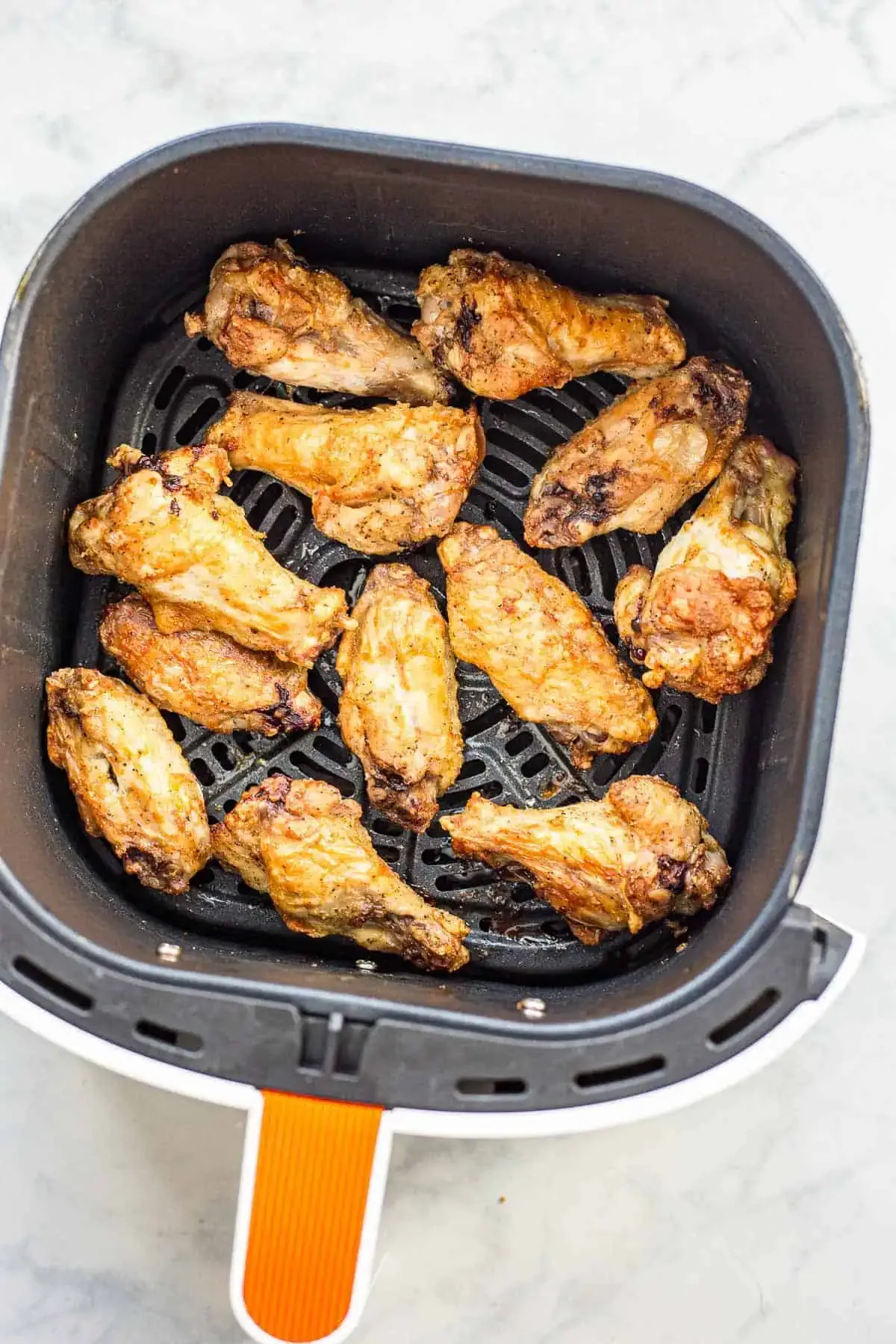
Image source: Bing (Web (fair-use with source credit))
Why Your Air Fryer Wings Look Grey (And How to Fix It)
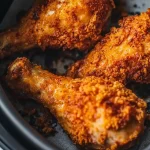
Grey wings mean steam got trapped against the skin. This happens when moisture sits on the surface during the initial minutes of cooking. The hot air can't evaporate water fast enough if items touch each other.
Instead of crisping, the skin boils gently. You lose all flavor development from the Maillard reaction.
Pat every piece of chicken dry with paper towels first. Use a fine mist oil spray instead of brushing heavy coats. Heavy oil pools and creates a barrier that slows down browning.
Arrange wings in a single layer with visible gaps between pieces. If they touch, they stick together and tear when you try to flip them.
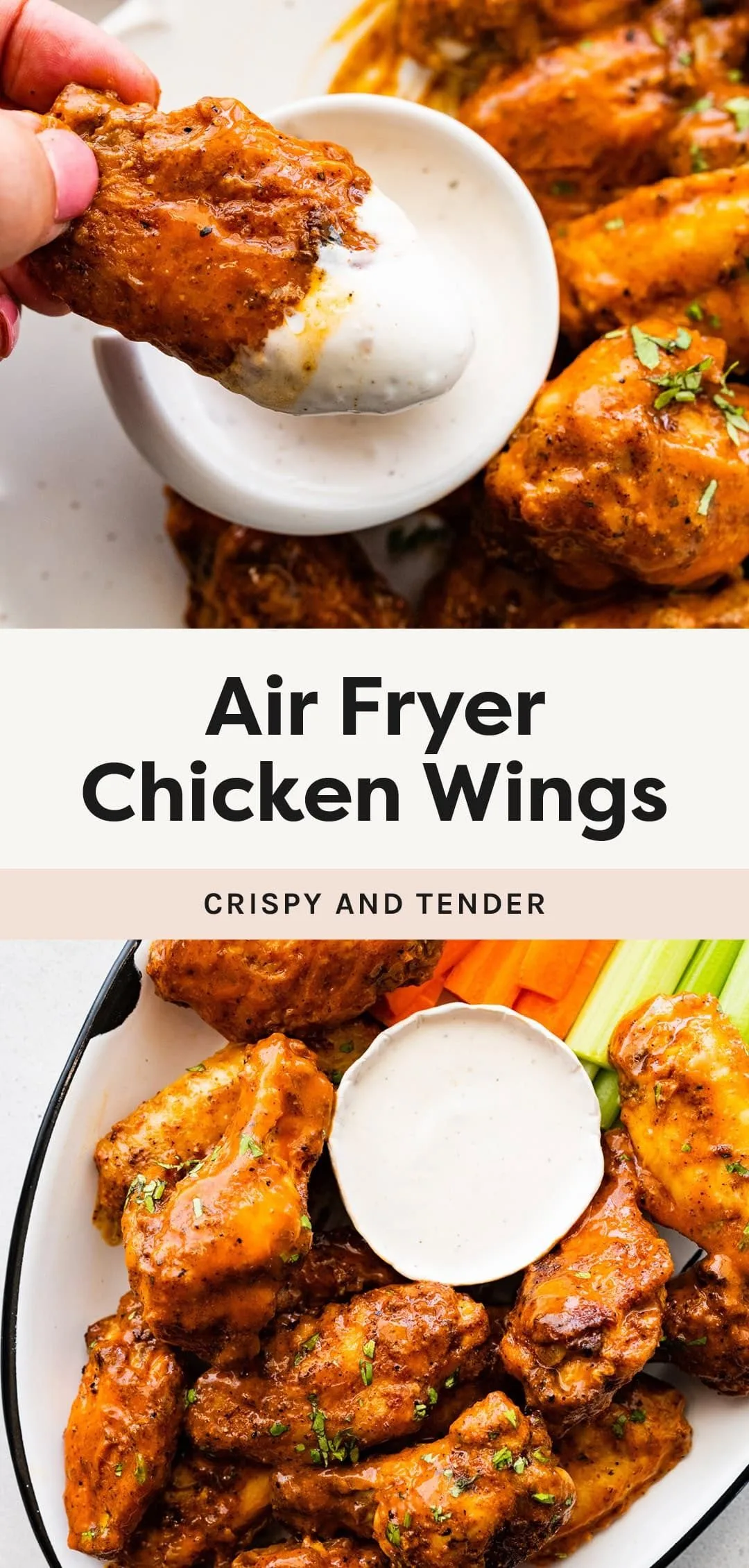
Image source: Bing (Web (fair-use with source credit))
Check the basket after five minutes. Shaking redistributes heat exposure evenly across all surfaces. Without shaking, the bottom stays pale while the top burns.
Aggregate user reviews consistently cite skipping this step as the primary cause of uneven results. Pull the basket out firmly but carefully. Toss the wings so those on top drop to the bottom.
Return them immediately to maintain internal temperature stability. Opening the drawer too long causes significant heat loss. Modern units pause automatically, but residual heat drops quickly.
Aim for a total cook time of 22 to 26 minutes at 400°F. Always verify internal temps reach 165°F per USDA guidelines. Visual cues trump clock times every single time.
The Visual Checklist: Spotting Perfect Doneness Before You Burn Them
Timers are suggestions, not laws. Your eyes provide real-time feedback on chemical changes happening inside the basket. Learn to recognize three distinct stages of doneness.
Stage one is surface drying. The food loses its wet sheen and turns matte. This usually takes four to six minutes.
Stage two involves initial coloring. Edges begin to turn light gold or beige. Cheese starts bubbling slightly at the corners.
Bacon fat begins rendering and dripping away from the meat. If you stop here, the center remains raw or cold. Push past this point for true crunch.
Stage three is full caramelization. Wings develop deep amber spots. Mozzarella sticks show uniform golden brown coverage without black char.
Jalapeño poppers puff up significantly as steam builds inside. Stop cooking once you see consistent color across most surfaces. Small dark specks are acceptable.
Large black patches indicate burning.
Use silicone-tipped tongs to inspect underside areas. Fan placement often creates hotspots near the back wall. Items there cook faster than those near the front handle.
Rotate trays if your model allows it. For basket styles, simply shake again. Trust the visual evidence over the digital display.
As of 2026, advanced sensors still struggle with variable load densities. Human observation remains superior for precision finishing.
Batch Cooking Logic: Managing Space and Timing for Game Day
One basket holds roughly one pound of appetizers comfortably. Trying to force two pounds ruins both batches. Split your prep into manageable rounds.
Calculate total serving size first. Assume eight ounces of wings per person for main snacking. Adjust downward if serving multiple heavy dishes.
Start with items requiring longer cook times. Bone-in wings take twenty-five minutes. Boneless strips need fifteen.
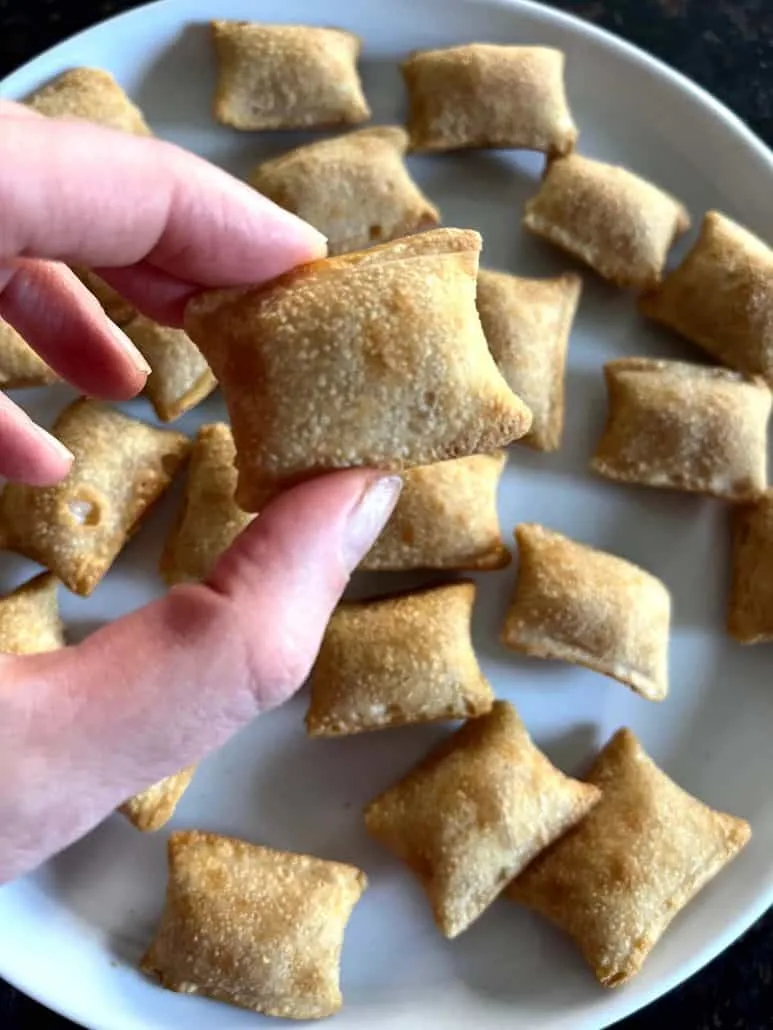
Frozen pizza rolls require twelve. Sequence matters for keeping everything warm simultaneously. Cook longest items first.
Keep finished batches warm in a low oven set to 200°F.
Do not stack cooked food directly on fresh raw items. Cross-contamination risks outweigh convenience benefits. Use separate plates or foil-lined trays for holding zones.
Preheat the air fryer only if your manual recommends it. Most modern units heat rapidly enough without preheating. Save energy and reduce wait times.
Monitor progress closely during final minutes. Distractions lead to burnt edges. Assign one host member specifically to manage the appliance.
Others handle drinks and setup. Communication prevents double-cooking errors. Remember that airflow efficiency drops when the unit runs continuously for hours.
Allow brief cool-down periods between massive batches if possible. This preserves motor longevity and maintains consistent heating power.
Recipe-Specific Cues: From Crispy Mozzarella Sticks to Juicy Meatballs
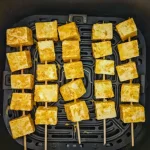
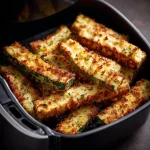
Mozzarella sticks demand high attention. They melt internally before exteriors harden. Spray heavily with oil to encourage quick shell formation.
Cook at 400°F for six to eight minutes max. Watch for blistering cheese edges. If the coating looks pale, add thirty seconds.
If it browns too fast, lower temp to 375°F.
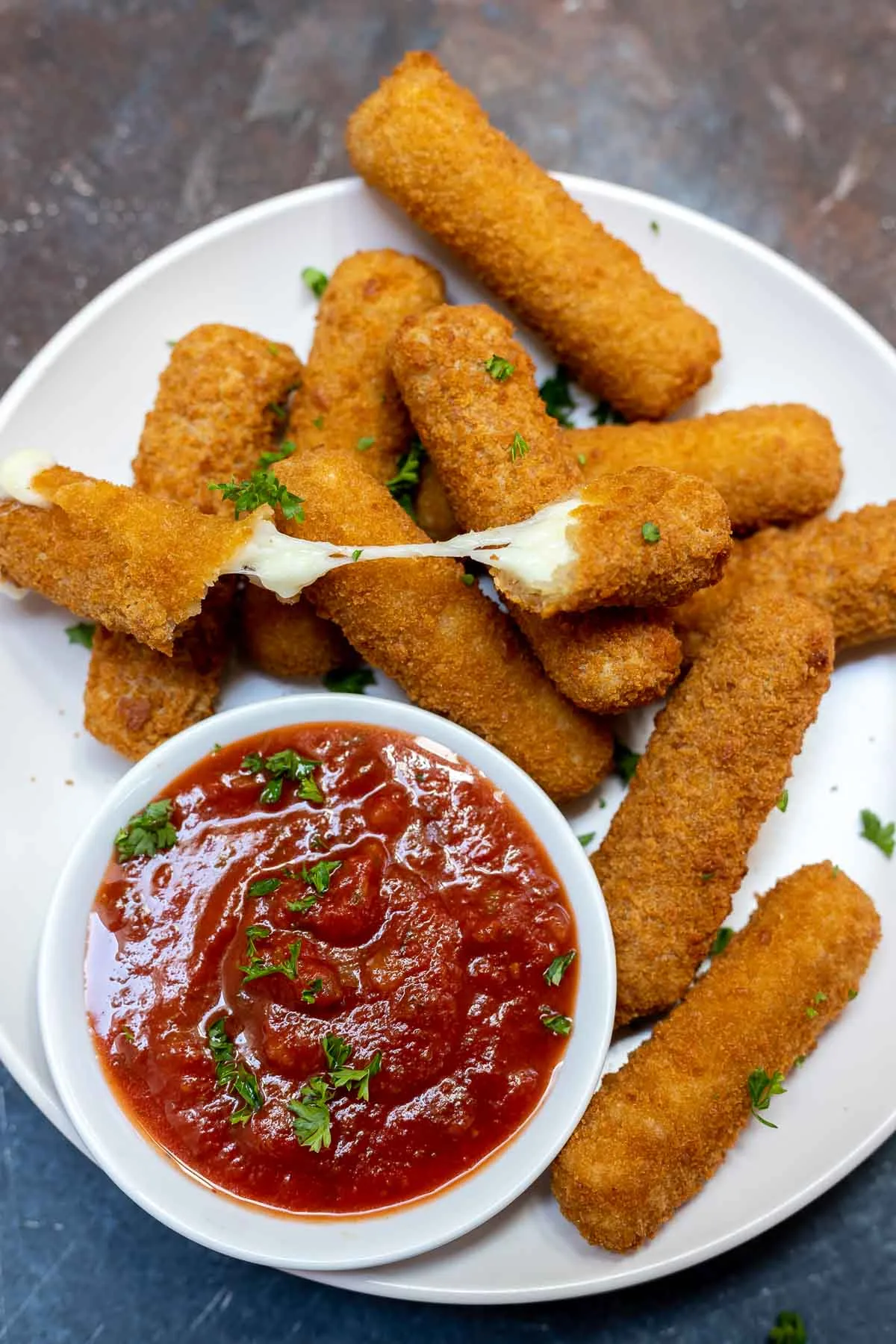
Image source: Web (Bing) / tastyairfryerrecipes.com (Web image (fair-use with source credit))
Jalapeño poppers behave differently. Cream cheese expands when heated. Leave space around each pepper.
Overcrowding causes bursting leaks that mess up the basket. Cook until skins wrinkle slightly and cheese oozes minimally. Twelve minutes at 375°F typically suffices.
Check for firmness by pressing gently with tongs. Soft centers mean undercooked dairy. Hard shells mean overcooked peppers.
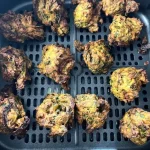
Meatballs benefit from rolling midway through cooking. Uniform spheres brown evenly only if rotated frequently. Set timer alerts every four minutes.
Shake vigorously to tumble them. Look for rich brown crusts forming on all sides. Internal juices should run clear, not pink.
Size consistency ensures equal doneness. Roll larger balls smaller if needed before placing in basket. Never mix sizes in same batch.
Common Visual Failures and Immediate Fixes
Burnt tops with raw centers happen when heat hits the surface too fast. This is common with thick items like stuffed peppers or large drumsticks. Lower your temperature to 350°F immediately if you see dark spots forming early.
Extend the cook time by five minutes. The goal is gentle rendering, not aggressive charring.
Soggy bottoms indicate trapped steam beneath the food. You likely overloaded the basket or skipped the shake step. Pull the item out and let it rest on a wire rack for two minutes.
Residual heat continues cooking while air circulation dries the base. Never leave cooked food sitting in its own grease pool inside the drawer.
Uneven browning suggests poor airflow around specific zones. Rotate the basket contents manually using tongs. Move items from the center to the edges and vice versa.
Fan blades often create dead spots near the handle area. Pay attention to these geometric quirks of your specific model. Manufacturer manuals sometimes map these hotspots explicitly.
Check yours.
Flying garnishes ruin both flavor and cleanliness. Light herbs, parmesan shavings, or breadcrumbs get sucked into the heating element. Add these delicate toppings only after the cooking cycle finishes.
Toss them onto the hot food just before serving. The residual warmth wilts fresh herbs perfectly without burning them. Keep the interior clean and the taste bright.
Safety Clearances and Cleaning Hacks That Save Your Non-Stick Basket
Keep at least five inches of clearance behind and above the unit. Restricted ventilation causes overheating and potential fire hazards. Place the appliance on a stable, heat-resistant countertop away from cabinets.
Do not cover the exhaust vents with towels or decorative cloths. Airflow must remain unobstructed for safe operation.
Allow the basket to cool completely before washing. Thermal shock can warp metal components or crack non-stick coatings. Hand wash with warm soapy water and a soft sponge.
Avoid abrasive scouring pads that scratch the surface. Scratches expose bare metal, leading to rust and sticking issues later. Preserve the coating integrity for long-term performance.
Soak stubborn grease residues in hot water for ten minutes. Loosened debris wipes away easily without harsh chemicals. Dry all parts thoroughly before reassembly.
Moisture left inside promotes mold growth and odors. Regular maintenance prevents buildup that affects heating efficiency. Clean the exterior housing with a damp cloth weekly.
Dust accumulation insulates the motor and reduces lifespan.
Never submerge the main unit in water. Electrical components are sensitive to liquid ingress. Wipe spills immediately with a dry towel.
Check power cords regularly for fraying or damage. Replace damaged units rather than attempting repairs. Safety standards require intact insulation and grounding.
Follow FDA guidelines for electrical kitchen appliance safety. Vigilance protects your home and guests.
Quick Reference Guide: Temps, Times, and Color Targets
Use this table as your cheat sheet during game day prep. It summarizes ideal conditions for popular appetizers. Adjust based on your specific air fryer wattage and basket size.
Always prioritize visual cues over strict timer values.
| Item | Temp (°F) | Time (mins) | Visual Cue for Done-ness |
|---|---|---|---|
| Bone-In Wings | 400 | 22–26 | Deep golden brown, skin blistered |
| Mozzarella Sticks | 400 | 6–8 | Uniform gold, cheese bubbling slightly |
| Jalapeño Poppers | 375 | 10–12 | Wrinkled skin, oozing cream cheese |
| Frozen Pizza Rolls | 390 | 10–12 | Crispy edges, melted cheese stretch |
| Bacon-Wrapped Dates | 360 | 8–10 | Rendered fat, crisp bacon texture |
| Onion Rings | 380 | 12–15 | Amber crust, no white batter spots |
Print this guide and tape it near your counter. It saves mental energy during busy hosting moments. Double-check internal temperatures for meats using a probe thermometer.
Accuracy ensures food safety compliance. Trust your eyes first, then verify with tools. Consistency builds confidence in your cooking skills.

Similar Posts