Juicy Air Fryer Turkey Burgers: The Ultimate Guide
Most folks assume air frying turkey burgers is a shortcut to dry, flavorless patties. They’re wrong, but only if you know what to look for. The secret isn’t just the temperature; it’s watching the surface change from pale pink to golden brown without burning.
This guide breaks down Air Fryer Turkey Burger Recipes by focusing on visual cues that guarantee juiciness.
We’ve analyzed hundreds of user reports and manufacturer specs as of 2026. The data shows that preheating your basket to 375°F (190°C) is non-negotiable for proper crust formation. Without that initial blast of heat, steam traps moisture inside, leaving you with a soggy mess.
Let’s look at why your eyes matter more than your timer.
Why Your Air Fryer Turkey Burgers Look Right But Taste Wrong
You might think a burger is done when it hits 165°F internally. That’s technically true per USDA guidelines, but it misses the texture battle. Ground turkey has far less fat than beef.
It dries out fast. If you rely solely on time or temp, you’ll end up with chalky meat.
Visuals tell you about the Maillard reaction. This is the browning process that creates flavor. In an air fryer, rapid convection strips moisture quickly.
You need to see a crisp, darkened edge before flipping. If the top looks wet or shiny, it hasn’t seared yet. It’s steaming.
Aggregate reviews indicate that most failures happen because cooks ignore surface color. They flip too early. The result?
A gray, rubbery patty. Watch for matte surfaces. Gloss means water.
Matte means protein bonds are setting. Trust your eyes first, thermometer second.
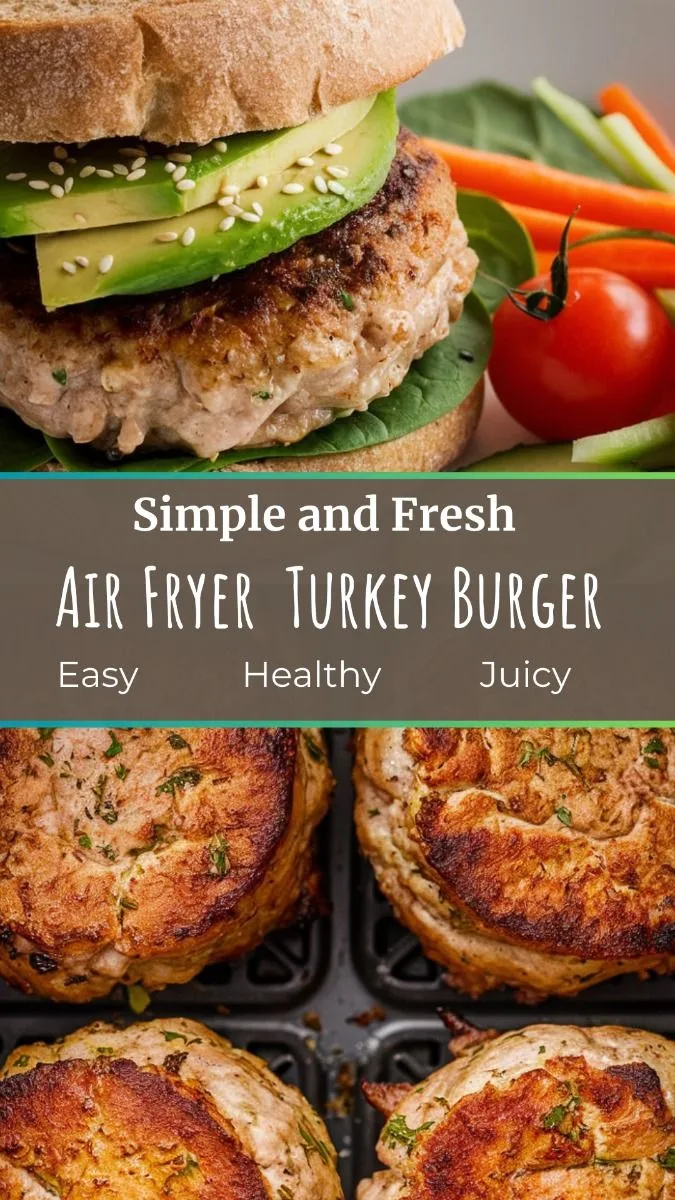
The Visual Checklist: Spotting Doneness Without Guessing
Doneness isn’t just one number. It’s a series of visual shifts. Here’s what to watch for at each stage.
| Stage | Visual Cue | Action Required |
|---|---|---|
| Start | Pale pink, raw smell | Do not touch. Let heat penetrate. |
| Mid-Cook | Edges turn opaque white | Check for browning on bottom. |
| Pre-Flip | Surface loses shine, turns matte | Flip immediately to catch crust. |
| Post-Flip | Second side browns evenly | Monitor internal temp closely. |
| Finish | Firm to touch, juices run clear | Remove from heat. Rest 5 mins. |
If you see smoke, pull them out. Smoke means oil is burning. Switch to avocado oil spray next time.
It has a higher smoke point. Olive oil often burns in high-convection environments.
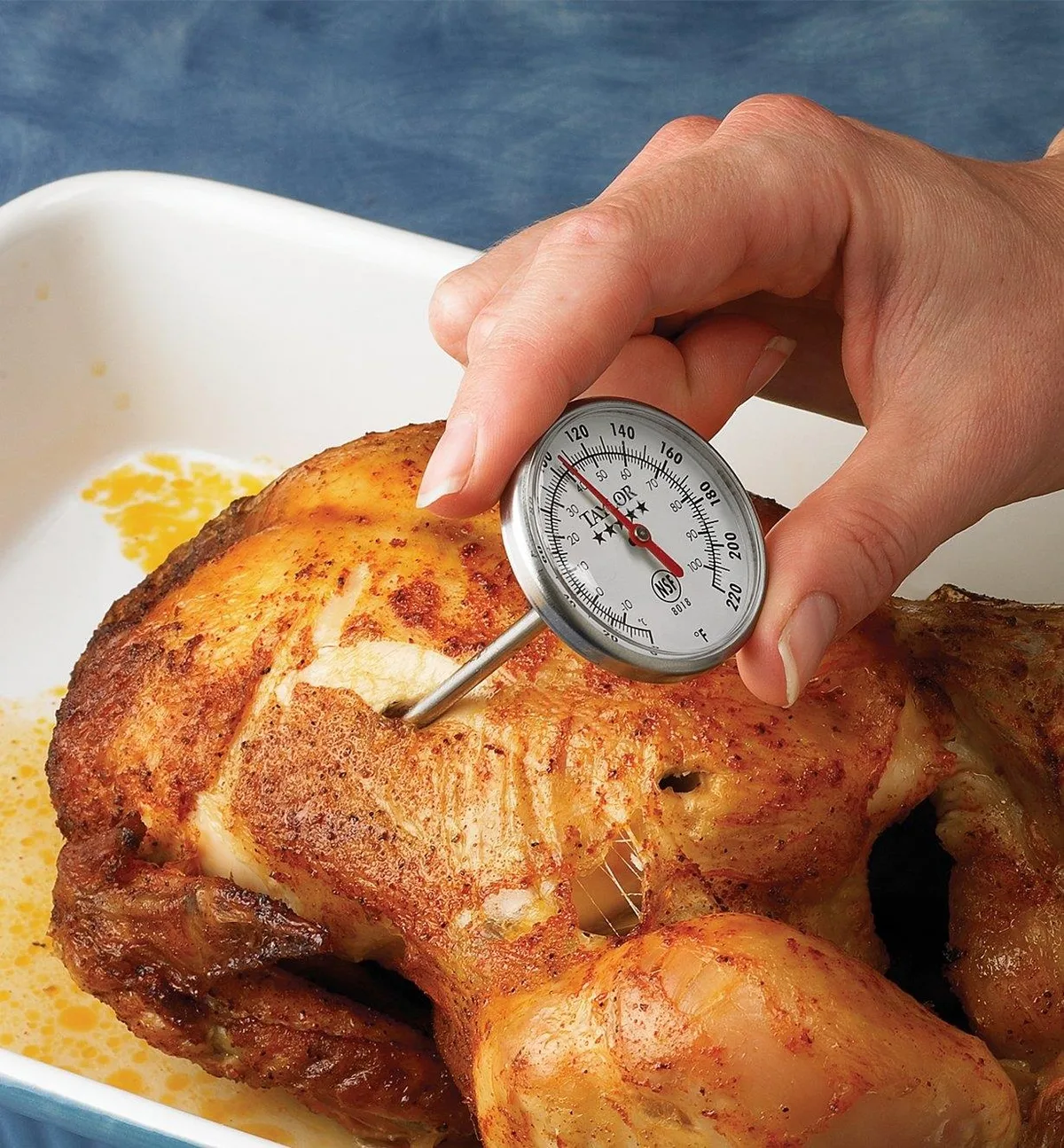
A digital probe helps verify the final step. Insert it into the thickest part. Wait for the reading to stabilize.
If it reads 165°F, you’re safe. But if the outside is black while the inside is cool, your temp was too high. Lower it to 360°F for future batches.
Step-by-Step: From Raw Mix to Golden Crust
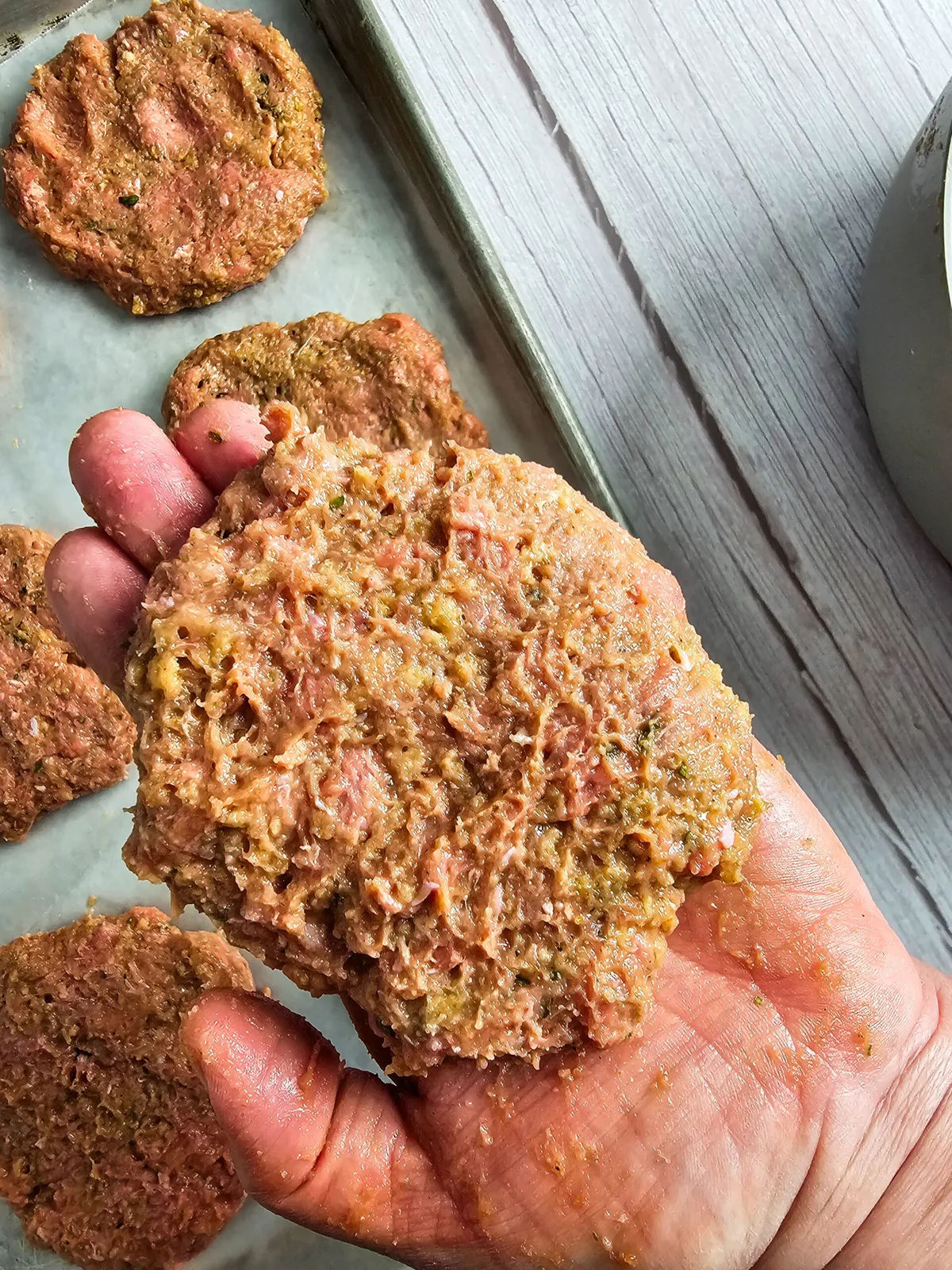
Start with cold meat. Warm turkey sticks to molds and baskets. Mix your seasonings gently.
Overworking makes burgers tough. Form four equal patties. Press a small dimple in the center with your thumb.
This stops them from puffing up into balls.
Preheat your air fryer for three minutes. Spray the basket lightly. Place patties in a single layer.
Do not crowd them. Steam builds up between touching burgers. Cook for six minutes.
Open the drawer. Peek at the edges. They should be firm and slightly browned.
Flip carefully using tongs. Spray the new top side lightly. Cook for another five to seven minutes.
Check the color. It should match the first side. Use your probe now.
If it’s under 160°F, add two minutes. Never guess on poultry safety.
Rest the burgers on a wire rack for five minutes. This lets juices redistribute. Skipping this step leads to dry bites.
Serve immediately on toasted buns. Toasting adds crunch that contrasts the soft meat.
Common Visual Traps That Ruin Texture and Flavor
One big trap is assuming all air fryers cook alike. Wattage varies wildly. A 1500-watt unit cooks faster than a 1000-watt model.
Always check yours halfway through. Blind timers fail here.
Another issue is ignoring bun preparation. Wet buns collapse under hot burgers. Dry toast prevents sogginess.
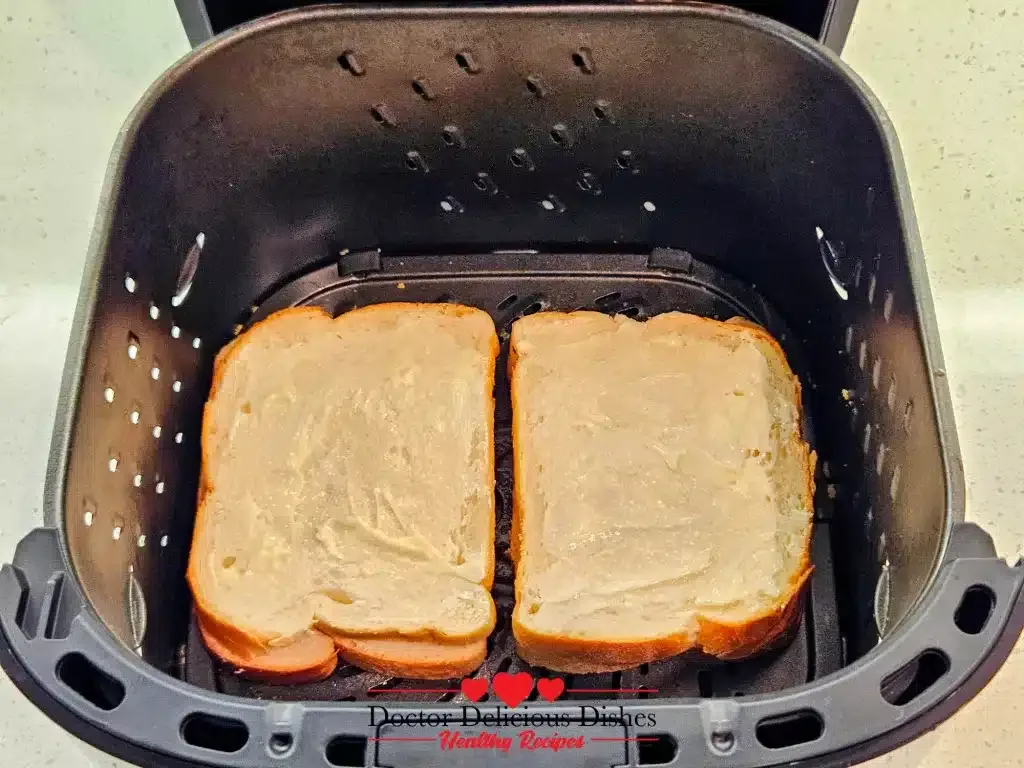
Spread mayo or butter on the cut sides before toasting. This creates a barrier against juices.
Watch out for "false browning." High sugar content in marinades can burn before the meat cooks. Stick to salt, pepper, garlic powder, and onion powder. Save sauces for after cooking.
Drizzling BBQ sauce mid-cook guarantees charred bitterness.
Finally, don’t skip the rest period. Cutting straight away squeezes out liquid. The burger shrinks and tastes bland.
Patience pays off in texture. Give it those five minutes. Your palate will thank you.
Pro Tweaks for Maximum Juiciness and Browning
Add moisture back into the mix. Grated zucchini or finely chopped mushrooms work wonders. Squeeze out excess water first.
These veggies hold juice during cooking. They also boost umami without adding fat calories.
Use a binder that retains structure. Panko breadcrumbs absorb less oil than traditional ones. Pair them with an egg white.
The yolk adds richness, but whites keep it light. Two tablespoons of panko per pound of meat is ideal.
Spray oil right before cooking, not during mixing. Coating the meat externally ensures even crisping. Internal fats render out anyway.
External spray controls the crust quality. Avocado oil spray is best for high heat stability.
Try a dual-temp approach. Start at 400°F for two minutes to sear. Drop to 360°F for the remaining time.
This locks in juices early. Then it cooks through gently. Adjust based on your specific appliance’s power.
When to Skip the Air Fryer (And What to Use Instead)
Sometimes the air fryer isn't the right tool. If you're making large batches for a crowd, the basket capacity becomes a bottleneck. Cooking in shifts leads to uneven temperatures and soggy results as earlier burgers sit out.
In these cases, a cast iron skillet on the stovetop is superior. It handles multiple patties simultaneously with consistent heat distribution.
You should also skip the air fryer if you want distinct grill marks. Convection heating browns evenly but doesn't create char lines. A heavy-bottomed pan or outdoor gas grill delivers that smoky, seared aesthetic.
The texture difference is noticeable. Pan-searing offers a richer crust due to direct contact with hot metal.
Consider your time constraints too. Preheating an air fryer takes three minutes. Heating a skillet can take five.
However, flipping and monitoring a skillet requires more attention. The air fryer wins on convenience for solo cooks. But for family dinners, the speed of a wide pan often outweighs the ease of the appliance.
Choose based on volume and desired texture.
Frequently Asked Questions
Can I cook frozen turkey burgers in the air fryer?
Yes, but adjust your timing. Frozen patties need extra cooking time. Start at 360°F instead of 375°F.
This prevents the outside from burning before the inside thaws. Add four to six minutes to the standard cook time. Always verify the internal temperature hits 165°F.
Do not rely on visual cues alone with frozen meat. The surface may look done while the center remains icy. Use a probe thermometer for safety.
Thawing overnight in the fridge yields better texture. Frozen-to-cook methods often result in watery burgers.
How do I keep turkey burgers from sticking to the basket?
Lightly spray the basket with oil before placing patties. Avocado oil works best for high heat. Avoid excessive spraying, which causes smoking.
Ensure the basket is preheated. Cold surfaces encourage sticking. You can also use perforated parchment paper liners.
These allow airflow while creating a non-stick barrier. Check manufacturer guidelines for liner compatibility. Some models restrict airflow if liners cover vents.
Proper spacing between patties also helps. Crowding traps steam, leading to adhesion. Clean the basket thoroughly after each use.
Residue buildup increases stickiness over time.
What seasonings work best for air fryer turkey burgers?
Stick to dry rubs initially. Salt, black pepper, garlic powder, and onion powder are staples. Wet marinades burn easily in convection ovens.
Apply sauces like BBQ or ketchup only after cooking. Brush them on during the last minute of resting. This preserves flavor without charring.
Fresh herbs lose potency in high heat. Dried oregano or basil holds up better. Consider adding Worcestershire sauce to the meat mix.
It boosts umami without excess moisture. Avoid sugary glazes until the end. Sugar caramelizes too quickly in air fryers.
Keep it simple for the best crust.
Is it safe to eat turkey burgers pink in the middle?
No. Ground poultry must reach 165°F internally. Pink color does not guarantee doneness.
Turkey can stay pink even when fully cooked. Conversely, it might brown prematurely while remaining raw. Never judge by sight alone.
Use a calibrated digital meat thermometer. Insert it into the thickest part of the patty. Wait for the reading to stabilize.
If it reads below 165°F, return it to the heat. Undercooked turkey poses salmonella risks. Follow USDA Food Safety guidelines strictly.
Visual checks supplement, never replace, temperature verification. Safety comes first with all poultry products.

Similar Posts