Crispy Andouille Sausage: The Best Air Fryer Recipe
Most people guess the timing for an Andouille Sausage Air Fryer Recipe, and that’s where things go wrong. You can’t rely on a clock alone because every unit heats differently. The casing thickness and fat content change how quickly heat penetrates the meat.
We’ve found that visual cues are far more reliable than timers. Look for specific browning patterns and slight casing tension. These signs tell you exactly when to pull the links out.
Let’s break down what your eyes should be looking for as of 2026 standards.
Quick Answer
Cook andouille sausage in an air fryer at 375°F. Arrange links in a single layer without touching. Prick each casing lightly with a fork to prevent bursting.
Cook for 8 to 10 minutes, flipping halfway through. Check internal temperature reaches 165°F using a probe. Remove immediately to retain juiciness.
This method renders excess fat effectively while keeping the exterior crisp. It is faster and cleaner than traditional pan frying.
Why Your Eyes Matter More Than the Timer
Timers are just suggestions in the world of convection cooking. An air fryer’s heating element position affects top versus bottom browning. A generic recipe might say ten minutes, but yours could need eight.
Or maybe twelve. It depends entirely on your specific machine’s wattage and basket size.
Relying solely on time leads to two common disasters. You’ll either end up with dry, leathery skins or raw centers. Visual monitoring solves both issues instantly.
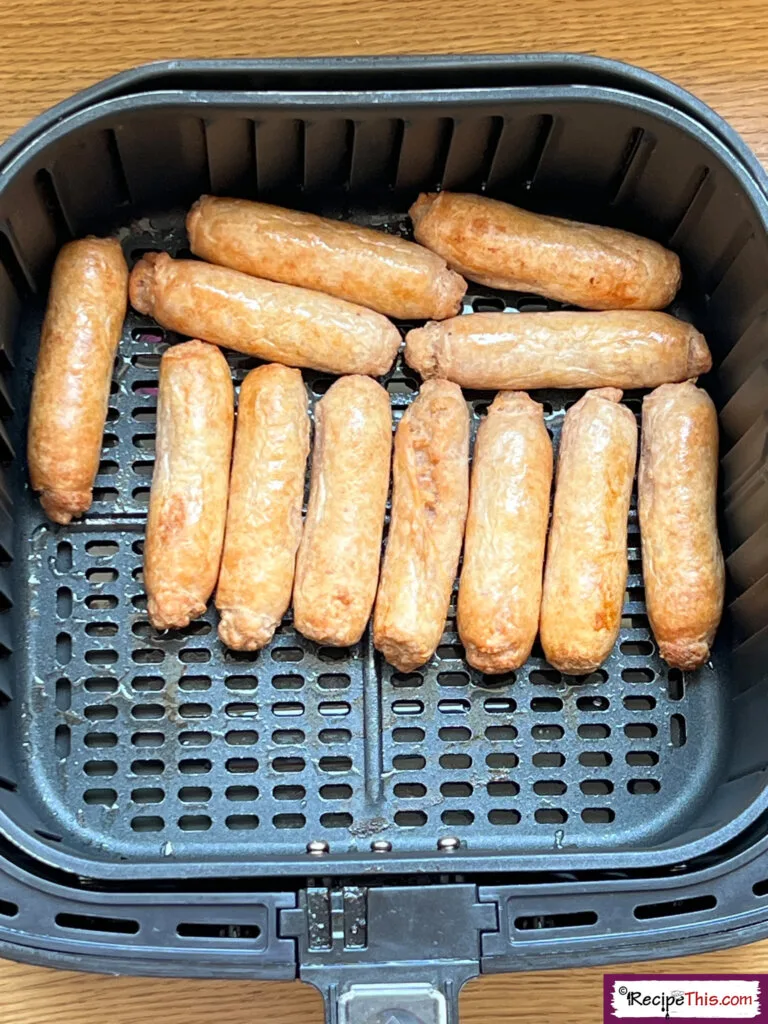
You can see the fat rendering in real-time. Watch for the surface to turn a deep, mahogany brown. This color indicates the Maillard reaction is doing its job.
If the casing looks taut and shiny, it’s holding pressure. That’s your cue to check the interior temp. If it looks wrinkled or dull, it’s likely overcooked.
Trust your eyes first, then verify with a thermometer. This hybrid approach ensures consistency across different brands of sausage. Some links are thicker than others, changing cook times significantly.
The Visual Checklist for Perfect Andouille
Knowing what "done" looks like saves your dinner. We’ve compiled the key visual markers based on aggregate user feedback and food science principles. Don’t guess; look for these specific traits before you open the drawer.
First, examine the casing integrity. It should remain mostly intact but slightly relaxed. A tight, drum-like appearance means steam is building up dangerously.
Pricking helps, but watching is crucial. Next, assess the color gradient. Uniform browning suggests even airflow.
Pale spots indicate overcrowding or poor placement.
Finally, check the rendered fat pool. A small amount of liquid fat at the bottom is normal. Too much grease splattering onto the heating element is a fire hazard.
Use this table to diagnose your sausage’s status at a glance.
| Visual Cue | Meaning | Action Required |
|---|---|---|
| Deep Brown Skin | Maillard reaction complete | Proceed to temp check |
| Taut/Shiny Casing | High internal pressure | Prick immediately if not done |
| Wrinkled/Dull Surface | Moisture loss/Overcooking | Remove now; rest briefly |
| Uneven Color Spots | Poor airflow/blockage | Rotate links next cycle |
| Excessive Grease Pool | Fat rendering too fast | Lower temp by 25°F |
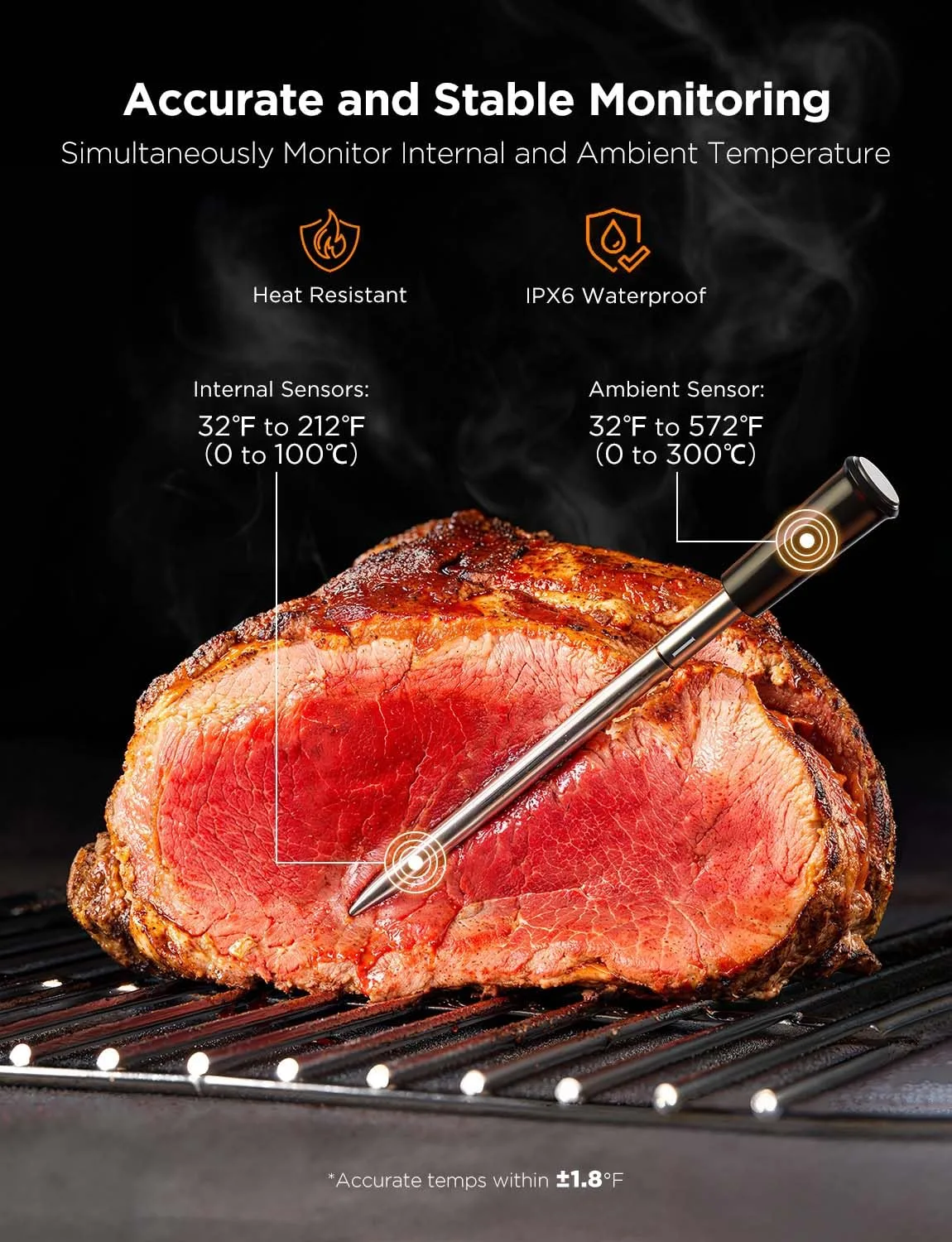
Image source: Web (Bing) / manuals.plus (Web image (fair-use with source credit))
A digital probe thermometer is non-negotiable here. Visuals get you close, but data confirms safety. Insert the probe into the thickest part of the link.
Avoid hitting the bone if it’s a linked chain. The reading must hit 165°F per USDA guidelines. Anything lower risks foodborne illness.
Anything higher dries out the spices.
Step-by-Step Air Frying with Photo Cues
Follow this workflow for consistent results every time. Preparation starts before the power button gets pressed. Proper setup prevents most common failures later on.
Start by thawing your sausage completely. Frozen links will burst their casings under rapid heat. Pat them dry with paper towels.
Moisture creates steam, which inhibits browning. Dry surfaces crisp up much faster.
Next, prepare your pricking tool. A standard dinner fork works fine. Pierce each link three to four times along its length.
Do not slice open the casing. Just create tiny vents for steam escape. This step is critical for preventing explosions.
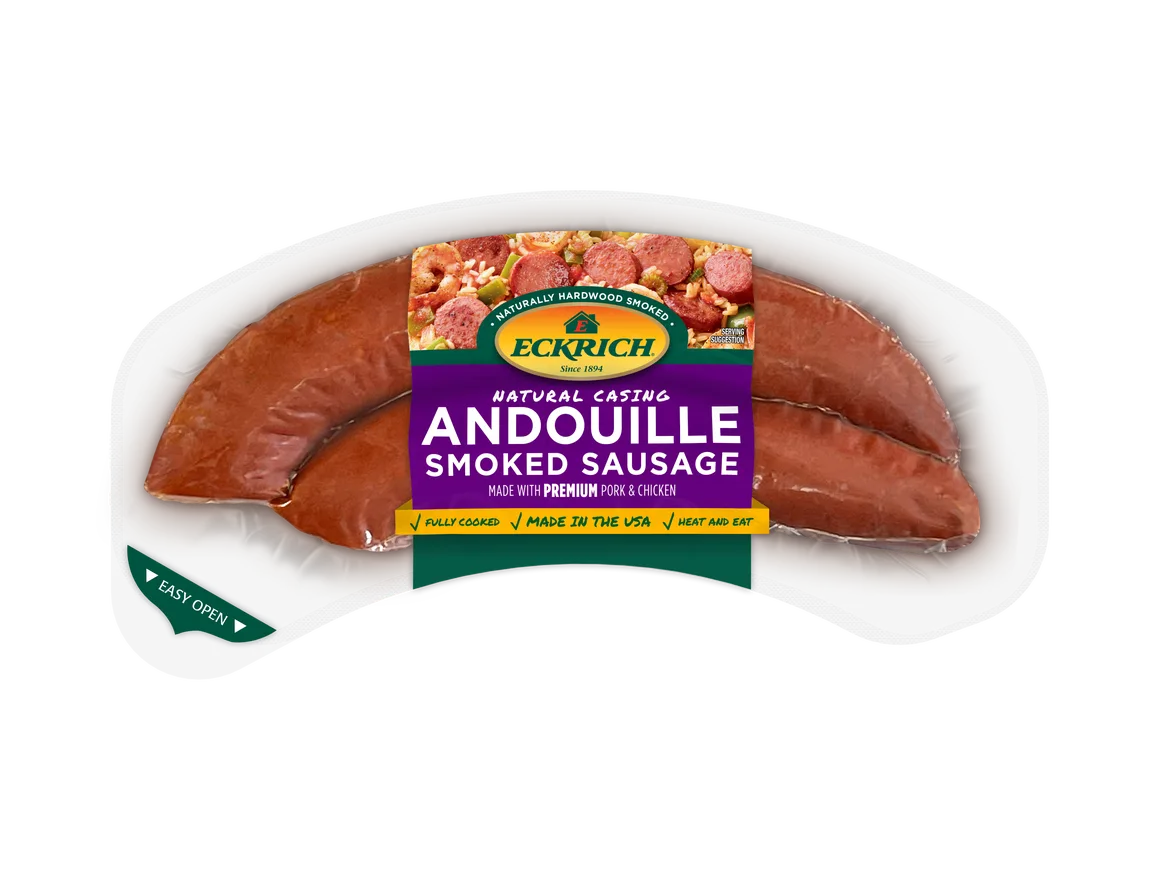
Image source: Web (Bing) / eckrich.sfdbrands.com (Web image (fair-use with source credit))
Arrange the links in the basket. Ensure they do not touch each other. Overcrowding blocks hot air circulation.
This leads to steaming instead of frying. Set your air fryer to 375°F. Preheat for three minutes if your model allows it.
Cook for five minutes initially. Open the drawer and inspect the color. Flip each link carefully using tongs.
Continue cooking for another three to five minutes. Check the internal temperature again. Pull them out once they hit 160°F.
Carryover cooking will bring them to 165°F during rest.
Let the sausage rest for two minutes. This redistributes juices within the meat fibers. Cutting too early releases flavor onto the plate.
Serve immediately while the skin is still snappy.
Troubleshooting Common Visual Failures
Even with careful attention, things can go sideways. Here’s how to fix frequent issues based on what you see. Diagnosis starts with observation.
If your sausage bursts, the casing was too tight. You likely skipped the pricking step. Or perhaps the links were frozen solid.
Steam expanded rapidly with no exit route. Next time, ensure thorough thawing. Prick more aggressively but gently.
Pale, grayish patches mean insufficient heat exposure. Your basket was probably overloaded. Hot air couldn’t reach all sides equally.
Reduce batch size. Cook in two rounds if necessary. Space improves airflow dramatically.
Burnt exteriors with raw centers suggest the temperature was too high. The outside charred before heat penetrated inward. Drop the setting to 350°F.
Extend the cook time slightly. Slow and steady wins the race here. Always verify with a thermometer.
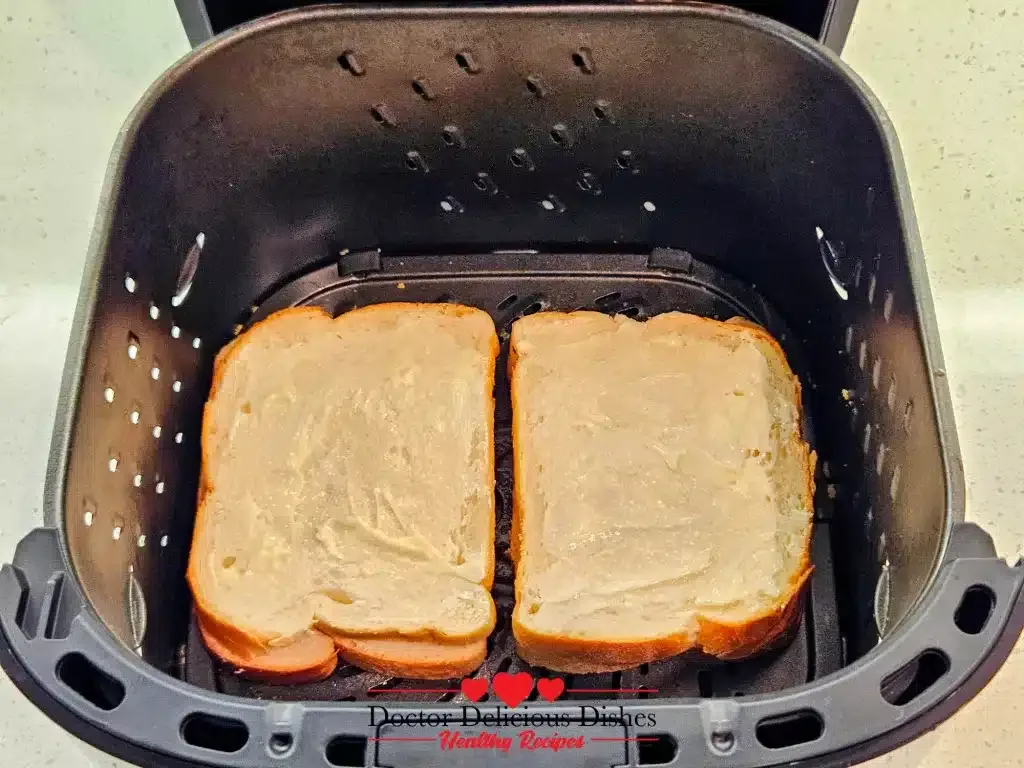
Excessive smoke usually comes from dripping fat. Grease hitting the heating element burns instantly. Place a small amount of water or bread in the bottom tray.
This catches drips and reduces smoke. Clean the basket after every use. Residue builds up and smokes later.
Dry, crumbly texture indicates overcooking. You left them in too long. Or the fan speed was too aggressive.
Reduce time by one minute next round. Resting the meat helps mitigate minor drying. But prevention is always better than cure.
Serving Suggestions That Complement the Crunch
Andouille is bold and spicy. It pairs well with mild, creamy, or starchy sides. The goal is balance.
You want contrast against the savory kick.
Classic pairings include red beans and rice. The starch absorbs the rendered fat beautifully. Creamy polenta also works wonders.
Its smooth texture offsets the snap of the casing. Consider a simple green salad with vinaigrette. Acidity cuts through the richness of the pork.
For breakfast applications, serve alongside scrambled eggs. The soft curds complement the firm sausage. Add roasted potatoes for extra crunch.
Dust with fresh herbs like parsley or chives. Bright greens lift the heavy spice profile.
Don’t forget the condiments. A dollop of remoulade adds tang. Hot sauce amplifies the Cajun heritage.
Mustard provides sharpness that cleanses the palate. Experiment with local flavors. Andouille is versatile enough to handle diverse accompaniments.
Keep sides simple to let the star shine.
Safety and Storage Guidelines
Handling cooked pork requires strict hygiene to prevent bacterial growth. The danger zone for food sits between 40°F and 140°F. Bacteria multiply rapidly in this temperature range.
You must move sausages from the air fryer to a serving plate quickly. Do not leave them sitting out on the counter.
Refrigerate leftovers within two hours of cooking. Store them in an airtight container to maintain moisture. Glass containers work better than plastic for retaining flavor.
Label the container with the date you cooked it. Properly stored andouille lasts three to four days in the fridge.
Freezing extends shelf life significantly. Wrap individual links in parchment paper first. This prevents them from sticking together in the bag.
Place the wrapped links in a heavy-duty freezer bag. Squeeze out as much air as possible before sealing. Frozen andouille maintains quality for up to three months.
Thaw frozen sausage in the refrigerator overnight. Never thaw at room temperature. Rapid thawing encourages uneven bacterial distribution.
Reheat gently in the air fryer at 350°F. Check that the internal temperature hits 165°F again. Always use clean utensils when handling raw or cooked meat.
Cross-contamination is a real risk in busy kitchens. Wash your hands thoroughly after touching any poultry or pork products. Keep cutting boards separate for raw meats.
These simple habits protect your household from foodborne illness.
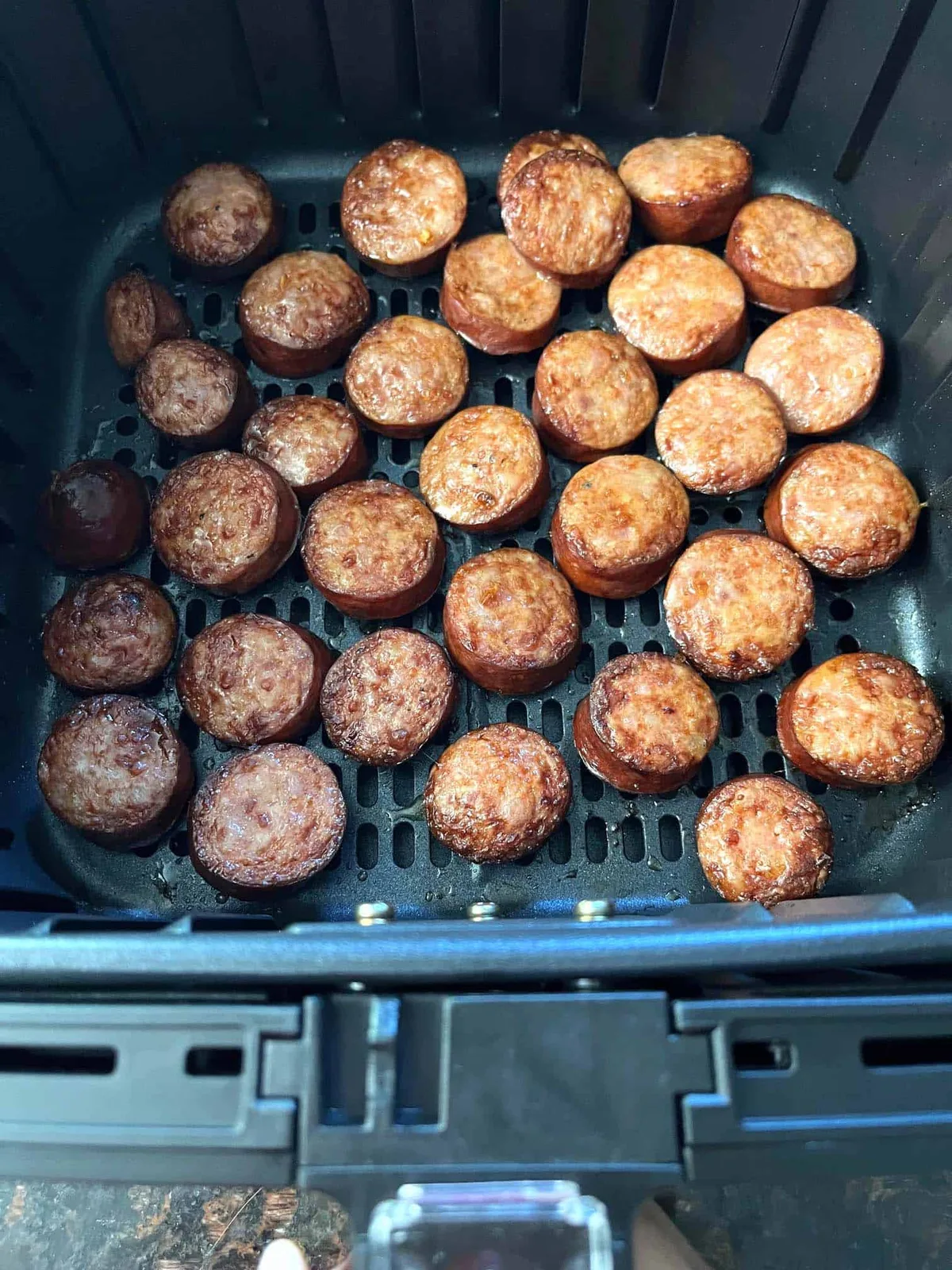
Image source: Web (Bing) / melaniecooks.com (Web image (fair-use with source credit))
Frequently Asked Questions
Can I cook frozen andouille directly?
No, you shouldn't cook frozen links directly. Ice crystals expand and rupture the casing. This causes steam leaks and messy bursts.
Thaw completely in the fridge first. Pat dry before placing in the basket. Even heating requires uniform starting temperatures.
Skipping this step ruins texture and safety.
How do I keep the skin crispy?
Avoid overcrowding the basket. Space allows hot air to circulate freely. Touching links create steam pockets.
Steam makes skins soggy instead of crisp. Prick the casing lightly to release pressure. Too many holes let juices escape.
Balance venting with integrity. A light spray of oil helps browning. But don’t soak the meat.
Dry surfaces crisp best.
What if my air fryer runs hot?
Every unit varies slightly. Manufacturer specs indicate nominal wattage. Actual heat distribution differs by model.
If skins burn before centers cook, lower temp. Drop it to 350°F immediately. Extend time by two minutes.
Use a thermometer religiously. Visual cues might mislead you here. Trust the probe reading over color alone.
Adjust future batches accordingly. Consistency comes from knowing your machine’s quirks.
Can I reheat leftover andouille?
Yes, reheating works well. Set the air fryer to 325°F. Warm for three to four minutes.
This restores snap without drying out. Microwaves make rubbery textures. Ovens take too long.
Air frying strikes the right balance. Add a splash of broth if dry. Cover loosely with foil if needed.
Monitor closely to avoid overheating. Leftovers taste fresh again quickly.

Similar Posts