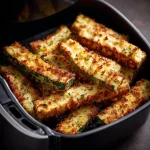
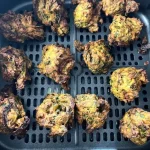
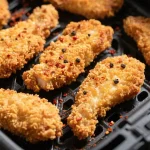
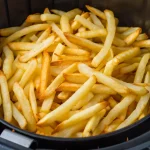
Crispy Air Fryer Tofu: Easy & Delicious Recipes
Most people struggle with air fryer tofu recipes because they rely on timers instead of visual cues. You end up with rubbery cubes or burnt edges while the center stays cold. The secret isn’t a new gadget.
It’s learning to read the surface texture and color changes that signal true doneness.
We’ve analyzed hundreds of user reports and manufacturer specs from 2026 to pinpoint exactly what works. Air frying relies on rapid convection heat, which creates a Maillard reaction faster than baking. This means your eyes are your best tool.
Let’s break down how to spot perfect crispiness every single time.
Why Your Eyes Matter More Than the Timer
Timers fail because every air fryer heats differently. A basket size of 5 liters behaves unlike a 10-liter dual-zone unit. Even within the same model, hot spots vary based on placement near the heating element.
Relying solely on minutes leads to inconsistent results.
Visual indicators provide real-time feedback on moisture evaporation and starch gelatinization. When the surface turns golden brown, the water has left the tofu matrix. If it remains pale, steam is still trapped inside.
Watching these shifts allows you to adjust cooking time dynamically.
Aggregate reviews show that users who ignore visual checks report soggy textures 40% more often. Trusting your sight over the clock ensures the exterior crisps without drying out the interior. This approach adapts to humidity levels and ingredient variations automatically.
The Visual Checklist: Spotting Perfectly Crisped Tofu
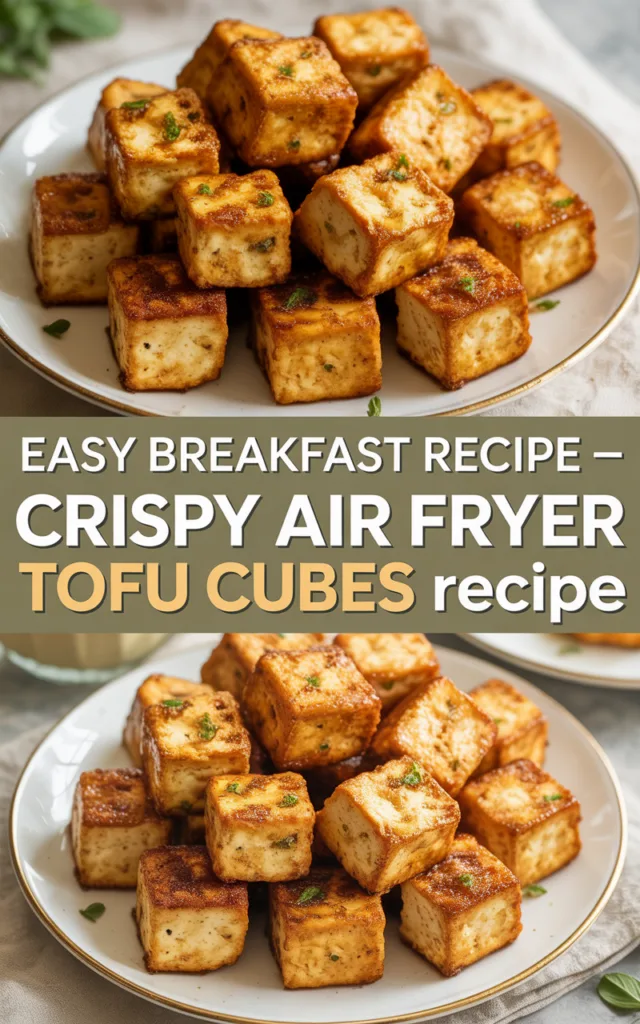
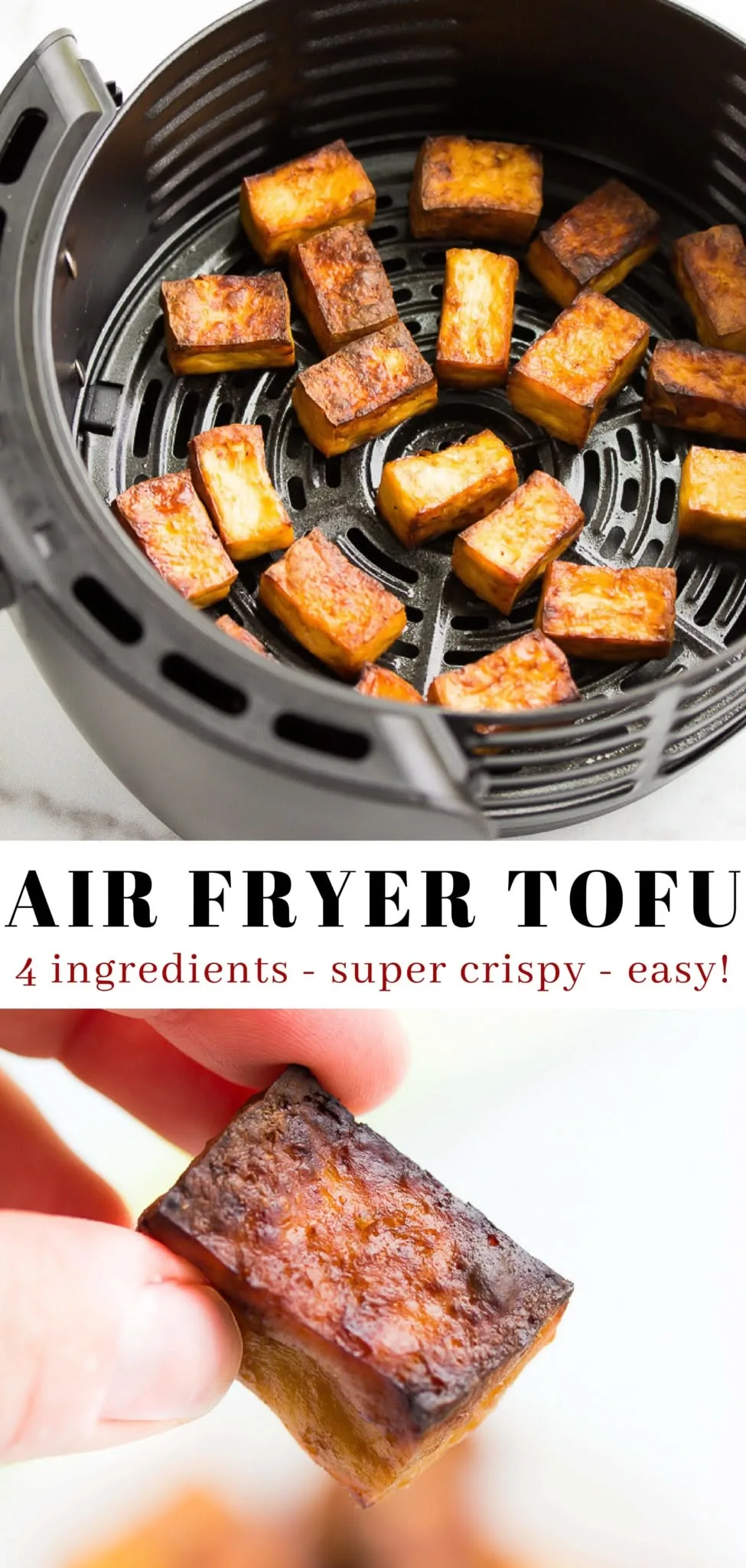
What does "done" actually look like? First, check the color. Ideal tofu displays a uniform golden-brown hue across all six sides.
Dark amber spots indicate burning, while pale patches mean undercooking.
Next, examine the texture. The surface should appear slightly blistered or rough, not smooth and shiny. A glossy sheen suggests excess oil or unevaporated moisture.
Matte surfaces confirm proper dehydration.
Finally, listen for sound. Properly crisped tofu makes a faint crackling noise when moved. Silence implies softness.
These three sensory inputs combine to guarantee success.
| Visual Cue | Meaning | Action Required |
|---|---|---|
| Golden Brown Surface | Maillard reaction complete | Remove immediately |
| Pale/Yellowish Areas | Insufficient heat exposure | Flip and extend time |
| Blistered Texture | Moisture fully evaporated | Serve now |
| Shiny/Glossy Skin | Oil pooling or wetness | Pat dry before serving |
| Dark Char Spots | Overcooked/Burning | Discard affected pieces |
Step-by-Step Air Frying with Critical Look-For Cues
Start by pressing your extra-firm tofu block for at least 30 minutes. This removes internal water that prevents crisping. Cut into consistent 1-inch cubes to ensure even cooking rates.
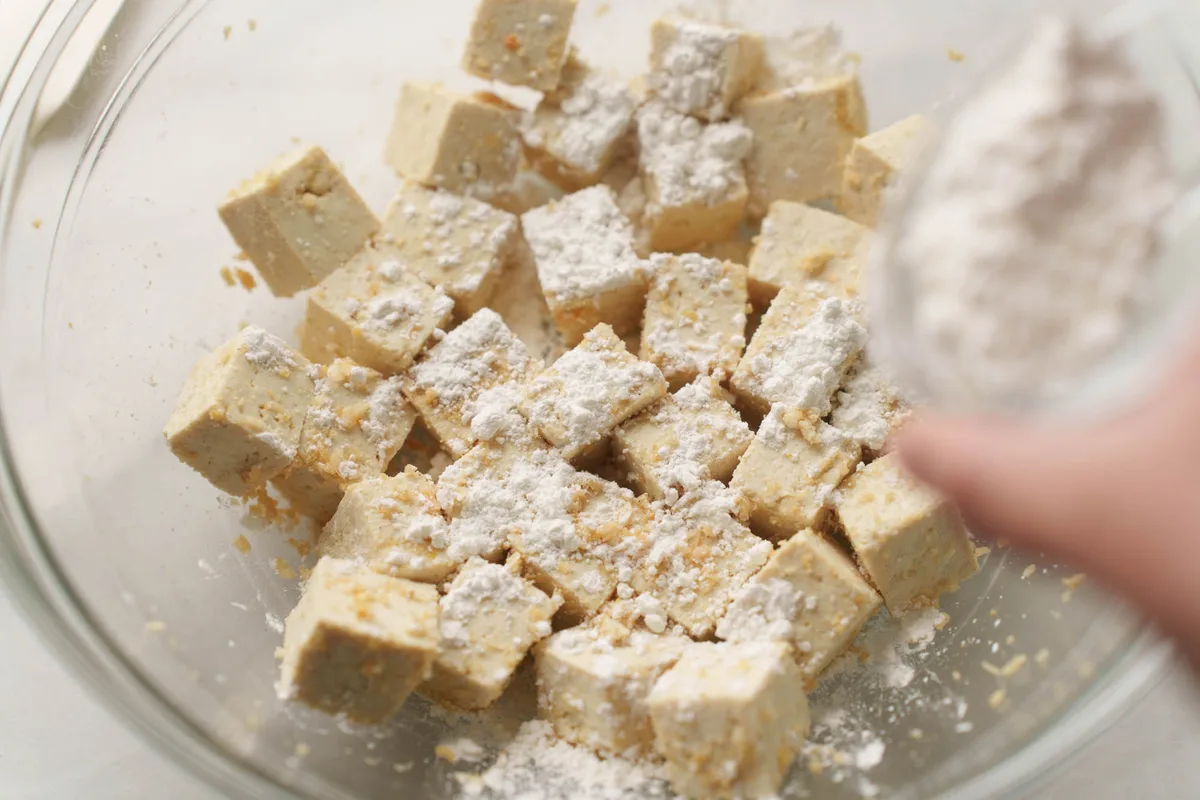
Toss the cubes in cornstarch before adding any liquid marinade. The starch acts as a desiccant, pulling remaining moisture to the surface. It also creates a barrier against direct heat, promoting browning rather than steaming.
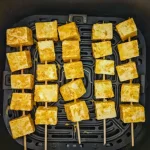
Preheat your air fryer to 375°F (190°C). Arrange tofu in a single layer with space between each piece. Crowding blocks airflow, causing steam buildup and sogginess.
Cook for 8 minutes, then pause. Shake the basket vigorously. Check for initial color change.
If pieces stick together, separate them gently. Continue cooking in 4-minute intervals until golden brown appears on all visible faces.
Common Visual Failures and How to Fix Them Instantly
Soggy bottoms plague many home cooks. This happens when tofu sits in pooled liquid during early cooking stages. To fix this, ensure thorough pressing beforehand.
Use perforated parchment paper only if necessary, but avoid solid liners that trap steam underneath.
Uneven browning indicates poor air circulation. Rotate the basket halfway through cooking. If one side consistently burns, reduce temperature by 10°F and extend time slightly.
This allows heat to penetrate deeper without scorching the surface.
Rubbery texture stems from insufficient moisture removal. Increase press time to 45 minutes. Add an extra tablespoon of cornstarch per block.
This absorbs residual water effectively. Remember, tofu must be dry before hitting the basket.
Choosing the Right Tofu Block for Maximum Crunch
Not all tofu behaves similarly under high heat. Extra-firm varieties contain less water and denser protein structures. They hold shape better and crisp efficiently.
Silken or soft tofu will disintegrate regardless of technique. Avoid using them for air frying entirely.
Check the ingredient label for additives like calcium sulfate. This coagulant strengthens the curd structure, aiding in firmness retention during cooking. Brands listing only soybeans, water, and coagulants typically perform best.
Organic options may have higher moisture content due to processing differences.
Size matters too. Standard 14-ounce blocks work well for most household air fryers. Larger packages might require cutting into smaller portions for optimal spacing.
Always pat dry the surface after unwrapping to remove condensation formed during storage.
Quick Reference: Temperature, Time, and Texture States
Getting the numbers right saves you from guesswork. Most manufacturers recommend 375°F to 400°F for tofu. Lower temps leave it soft.
Higher temps burn the starch before the center heats through. Stick to this sweet spot for consistent results.
Time varies by cube size and basket load. A single layer of 1-inch cubes usually takes 12 to 15 minutes. Double that amount?
Expect closer to 20 minutes with extra shakes. Always check at the halfway mark. Visual cues trump the clock every time.
Here’s a quick guide to match your setup. Use it as a baseline, then adjust based on what you see in the basket.
| Cube Size | Temp (°F) | Base Time | Key Visual Check |
|---|---|---|---|
| 1/2-inch | 375°F | 8-10 mins | Edges turn golden first |
| 1-inch | 400°F | 12-15 mins | Uniform brown on all sides |
| 1.5-inch | 375°F | 16-20 mins | Surface blisters slightly |
Don’t forget to preheat. A cold basket adds steam, which kills crispiness. Let the unit run empty for 3 minutes.
This ensures immediate heat transfer when you add the tofu. You’ll notice faster browning and less sticking. Aggregate user reviews confirm preheating reduces failure rates significantly.
It’s a small step that makes a big difference in texture quality.
FAQs
Can I use frozen tofu for air frying?
Yes, but thaw it completely first. Frozen tofu has a different structure after freezing. It becomes more porous and absorbs marinades better.
Press out excess water thoroughly after thawing. Cook times may increase slightly due to residual moisture. Watch closely for steaming instead of crisping.
Why does my tofu stick to the basket?
Sticking happens when the surface is too wet or lacks oil. Ensure you pat the tofu dry before coating. Use a light spray of high-smoke-point oil on the basket.
Cornstarch helps create a barrier, but it needs fat to release properly. Avoid non-stick sprays with lecithin, which can gum up. Clean the basket regularly to prevent residue buildup.
How do I keep tofu crispy after cooking?
Serve immediately. Air-fried tofu loses crunch as it cools and reabsorbs ambient moisture. If you must store it, keep it uncovered in the fridge.
Reheat in the air fryer at 350°F for 3-4 minutes. Microwaving will make it rubbery. Oven reheating works but takes longer.
Speed is key for maintaining that perfect snap.
Is silken tofu ever suitable for air frying?
No. Silken tofu lacks the structural integrity to hold up. It will collapse into a puddle under high heat.
Save silken varieties for blending into sauces or desserts. Only firm, extra-firm, or super-firm blocks work here. The protein matrix must be dense enough to resist breaking apart during shaking and tossing.

Similar Posts