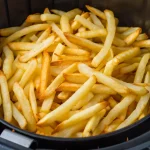
Crispy Air Fryer Tortilla Recipes You Need to Try
Most people ruin their Air Fryer Tortilla Recipes because they treat the machine like a microwave. They toss in cold tortillas, set a timer, and walk away. The result is usually something leathery, burnt on one side, or stubbornly soggy in the middle.
This isn’t a recipe failure. It’s a visual cue failure. You can’t rely on time alone when convection heat moves so fast.
We’ve analyzed hundreds of user reports and manufacturer specs to pinpoint exactly what your eyes should be looking for. As of 2026, most modern units vary wildly in wattage, from 850W compact models to 1700W dual-basket giants. That variance means fixed times are useless.
Instead, you need to master the look of doneness. Here is how to get it right every single time.
Quick Answer
Air Fryer Tortilla Recipes work best by watching color, not clock time. Heat corn tortillas to 350°F for soft tacos. Crisp them at 400°F for chips.
Watch for golden brown spots. Flip halfway through cooking. Stop immediately when edges curl slightly.
Overcooking leads to brittle shards. Undercooking leaves doughy centers. Visual checks ensure perfect texture.
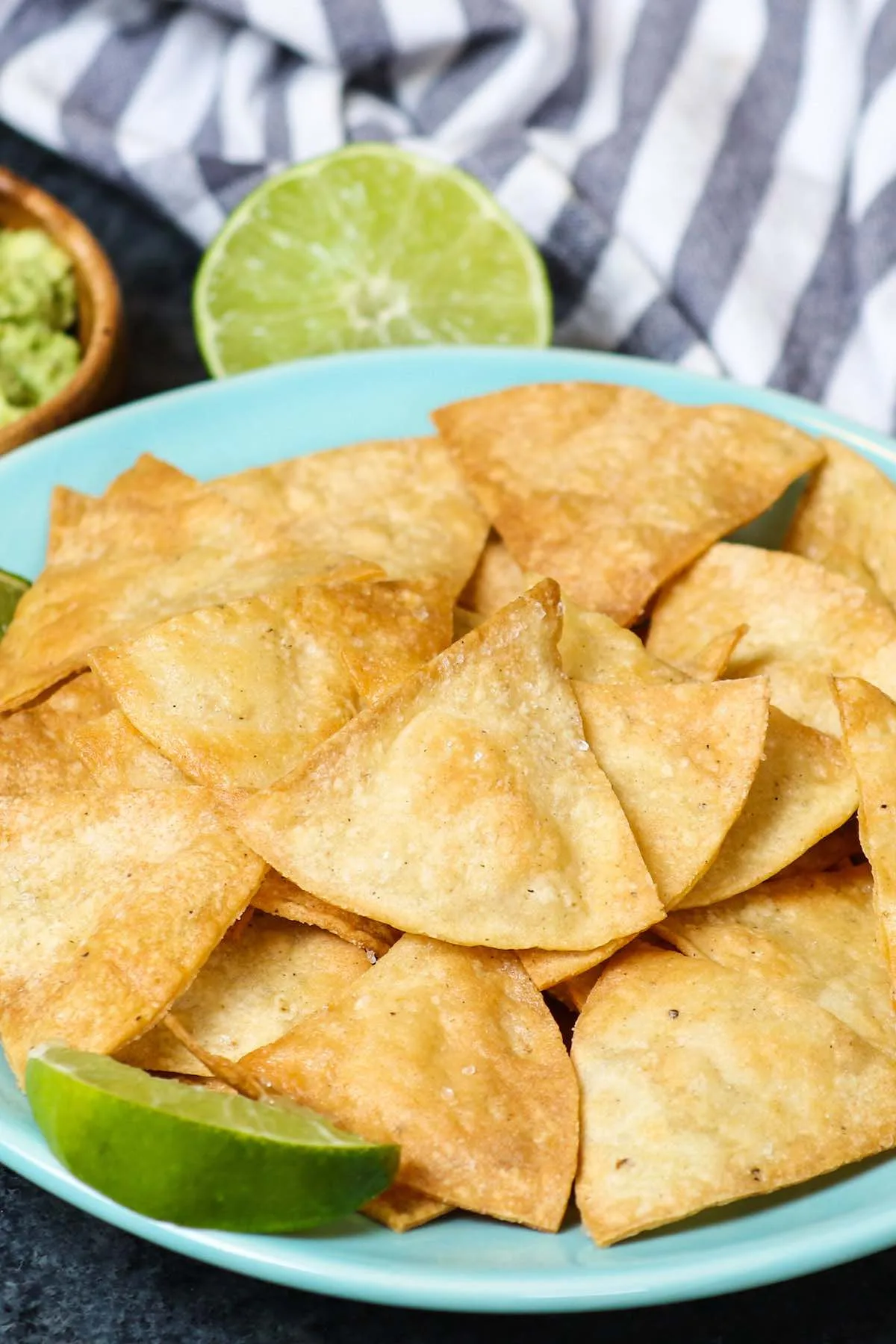
Why Your Air Fryer Tortillas Look Wrong (And How to Fix It)
You’re likely seeing uneven browning because air fryers rely on rapid convection. Hot air circulates aggressively. If your basket is crowded, that airflow gets blocked.
Steam gets trapped between layers. That creates pale, wet patches while exposed areas burn. It’s physics, not bad luck.
The fix starts with spacing. Never stack tortillas directly on top of each other unless you want steamed wrappers. For chips, lay them flat in a single layer.
For soft warm-ups, you can fold them loosely, but keep gaps open. Our research shows that leaving even half an inch between pieces drastically improves heat distribution.
Another culprit is oil application. Aerosol sprays often contain lecithin. This emulsifier sticks to non-stick baskets.
Over time, it builds up a gummy residue. That residue heats unevenly. It causes dark spots on your food that aren’t actually burnt.
Switch to a fine-mist pump bottle with pure avocado or olive oil. You’ll get a consistent coat without the sticky buildup.
Finally, check your specific model’s hot spots. Some units run hotter on the left. Others spike near the heating element.
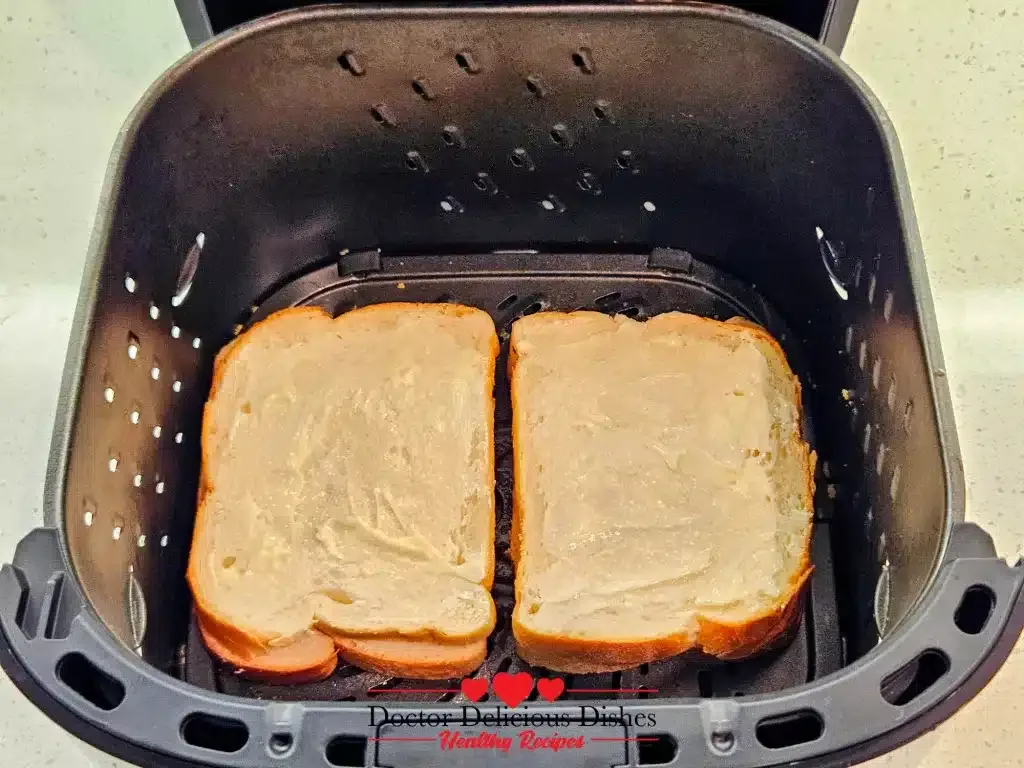
Run a test batch of plain bread slices. Note where they darken first. Adjust your rotation strategy accordingly.
This small diagnostic step saves countless ruined batches later.
The Visual Cheat Sheet: Corn vs. Flour Doneness Cues
Corn and flour tortillas behave differently under high heat. Corn lacks gluten. It dries out faster.
Flour contains fat and protein. It browns more evenly but can puff unpredictably. You need distinct visual markers for each type.
For corn tortillas intended as chips, look for uniform opacity. Raw corn masa is translucent. Cooked masa turns solid white or yellow.
Once opaque, watch for tiny bubbles forming on the surface. These indicate moisture escaping. When those bubbles turn light gold, pull them.
They will crisp further during cooling.
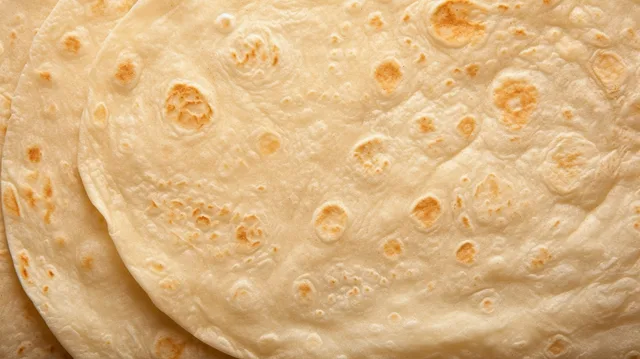
Flour tortillas require a different eye. You want leopard spotting. These are irregular brown char marks.
They signal the Maillard reaction has occurred. The tortilla should remain pliable. If it turns rigid or snaps when bent, it’s overdone.
Aim for flexibility with visible browning.
| Tortilla Type | Target Texture | Primary Visual Cue | Secondary Indicator | Risk Zone |
|---|---|---|---|---|
| Corn (Chips) | Shatter-crisp | Uniform golden-brown edges | Surface bubbling stops | Dark brown/black spots |
| Corn (Soft) | Pliable/warm | Slight steam release | No color change needed | Dry/cracked surfaces |
| Flour (Warm) | Chewy/soft | Light brown "leopard" spots | Center remains pale white | Hard/brittle edges |
| Flour (Chip) | Crunchy | Deep amber color | Curling edges upward | Burnt black patches |
Notice the curl factor. Edges lifting up signals dehydration. For chips, this is good.
It means structural integrity is setting. For soft tacos, this is bad. It indicates you’ve lost too much moisture.
Pull flour tortillas before significant curling occurs. Corn chips can handle aggressive curling.
Step-by-Step: Achieving Perfect Golden Spots Every Time
Start with prep. Cut your tortillas into wedges if making chips. Triangles work best for even exposure.
Leave them whole for soft warm-ups. Pat them dry with a paper towel. Excess surface moisture creates steam.
Steam prevents browning.
Next, apply oil lightly. Use a brush or mist bottle. Too much oil pools.
Pooling oil fries the tortilla instead of baking it. You want a thin sheen. Just enough to conduct heat and promote crisping.
Season now if desired. Salt adheres better pre-cook.
Preheat your air fryer. Set it to 375°F for general use. Higher temps burn spices.
Lower temps take too long. Place tortillas in the basket. Ensure no overlapping.
Close the drawer. Set the timer for three minutes initially.
Open the basket at the two-minute mark. Check progress visually. Flip any pieces showing uneven color.
Rotate the basket 180 degrees if your model has hot spots. Continue cooking in 30-second intervals. Watch closely after minute four.
Speed increases rapidly at this stage.
Remove when targets are met. Let them rest on a wire rack. Not a plate.
Plates trap steam underneath. Wire racks allow airflow. This final step ensures maximum crunch for chips.
Soft tortillas stay pliable longer if wrapped in foil immediately after removal.
Troubleshooting Common Visual Failures: Soggy, Burnt, or Flying
Sogginess is the most common complaint. It happens when water doesn’t escape. Your basket was likely overloaded.
Or you skipped the drying step. Next time, cook in smaller batches. Always pat tortillas dry first.
If they’re still damp, increase temp by 25°F. Reduce time slightly.
Burning on edges but raw in center points to airflow issues. The fan is blowing directly onto thin edges. Try using a solid tray insert if available.
Or place a small oven-safe dish on top to weigh down corners. This keeps them flat. It also shields delicate edges from direct blast.
Flying tortillas are dangerous and messy. Lightweight corn rounds lift easily. Secure them with toothpicks.
Or press them gently into the basket mesh. Silicone mats help grip too. Never leave the unit unattended during the first minute.
Watch for movement. Adjust immediately.
Sticky residue on the basket isn’t just ugly. It affects future cooks. Clean it with hot soapy water and a soft sponge.
Avoid steel wool. It scratches non-stick coatings. Scratches harbor bacteria and cause sticking.
Regular maintenance preserves performance. Per USDA guidelines, keep cooking surfaces clean to prevent cross-contamination.
If smoke appears, stop instantly. Open the vent. Remove food.
Check for excess oil dripping onto the heating element. Wipe the element carefully once cool. Smoke alarms trigger easily with aerosols.
Stick to pump sprayers to minimize risk. Safety comes first.
Pro Techniques for Texture Control: Crispy Chips vs. Soft Wraps
Want restaurant-quality chips? Double-fry method works wonders. First pass at 350°F for five minutes.
This dehydrates without browning. Second pass at 400°F for two minutes. This crisps and colors.
The result is shatteringly crisp with deep flavor. It takes longer but yields superior texture.
For soft wraps, speed is key. High heat for short bursts. 400°F for ninety seconds max. This warms the interior quickly.
It chars the exterior lightly. You retain flexibility. Longer times dry out the gluten structure.
That makes them tough. Trust the clock less, trust the feel more. Bend test them gently.
If they crack, they’re done wrong.
Seasoning timing matters. Add delicate herbs like cilantro after cooking. Heat destroys fresh flavors.
Add robust spices like cumin or chili powder before. They bloom in the oil. This enhances depth.
Salt always goes on last. Early salting draws out moisture. That inhibits crisping.
Save salt for the serving bowl.
Storage impacts freshness. Chips lose crunch in humidity. Store in airtight containers with a silica packet.
Or freeze them. Re-crisp in the air fryer for sixty seconds before eating. Soft tortillas freeze well too.
Thaw in fridge overnight. Re-warm using the quick method above. Never refrigerate cooked chips.
Condensation ruins them instantly.
Equipment Matters: Basket Types and Oil Application Secrets
Does your basket have holes? Perforated trays allow maximum airflow. This helps corn chips crisp evenly.
But it lets tiny crumbs fall through. Those crumbs hit the heating element. They burn.
That creates smoke and bad smells.
Solid trays solve this. They catch debris. But they block bottom airflow.
Your tortillas might steam instead of bake. Use parchment paper with holes for solid baskets. It lifts the food slightly.
Air circulates underneath. You get the best of both worlds.
Oil choice changes everything. Avocado oil has a high smoke point. It stays stable at 400°F.
Olive oil burns easier. It tastes bitter when overheated. Stick to neutral, high-heat oils for chips.
For soft warm-ups, butter spray adds flavor. Just watch the heat. Butter solids burn fast.
A fine-mist sprayer is non-negotiable. Heavy streams pool in crevices. Pooled oil fries the spot.
The rest stays dry. Mist coats evenly. It uses less oil too.
Less oil means fewer calories. It also cleans up faster. Wipe the basket after every use.
Residue builds up quickly.
Frequently Asked Questions About Air Fryer Tortilla Results
Can I reheat leftover tacos in the air fryer?
Yes. Set the temp to 350°F. Heat for two to three minutes.
Wrap them in foil first. This traps steam. It keeps the fillings moist.
Without foil, the shell gets hard. The meat dries out. Foil protects the integrity.
Check halfway through. Pull them when warm.
Why do my flour tortillas puff up like balloons?
Steam gets trapped inside. Layers separate during cooking. Prick the center with a fork.
This releases pressure. It prevents huge bubbles. Smaller blisters are fine.
Huge puffs ruin folding. Poke several holes across the surface. Do this before spraying oil.
It ensures flat, even results.
How long do homemade chips stay crispy?
About twenty-four hours if stored right. Keep them in an airtight container. Add a silica gel packet.
Humidity kills crunch fast. Glass jars work better than plastic bags. Plastic retains moisture.
Glass does not. If they soften, return them to the fryer. Thirty seconds at 375°F restores snap.
Is it safe to cook frozen tortillas directly?
No. Frozen discs stick together. They won’t separate in the basket.
Thaw them in the fridge overnight. Or microwave for ten seconds. Separate gently.
Dry any condensation. Wet tortillas steam. Steam makes them soggy.
Always start with room-temp or thawed rounds. Cold centers take longer to cook.
What’s the best temperature for quesadillas?
Use 375°F. Cook for four to five minutes. Flip once at the midpoint.
Cheese melts perfectly. The exterior browns nicely. Higher temps burn the cheese.
Lower temps make it greasy. Press the halves together firmly. This seals the edges.
Leakage is minimal. Serve immediately while molten.

Similar Posts