Crispy Air Fryer Asparagus: The Perfect Recipe
Most people struggle with air fryer asparagus recipes because they treat it like oven roasting. They pile the spears high and wait for a timer to beep. The result is usually steamed, soggy stalks with burnt tips.
You need to watch the food, not the clock.
Visual cues are your best guide here. Asparagus changes color and texture rapidly in a convection chamber. We’ve found that relying on sight prevents the most common failures.
Let’s look at exactly what you should be seeing at every stage.
Why Visual Cues Beat Timers for Perfect Air Fryer Asparagus
Timers are averages. Your air fryer wattage, basket size, and spear thickness vary wildly. A 400°F setting for ten minutes might burn thin spears while leaving thick ones raw.
This inconsistency frustrates home cooks daily.
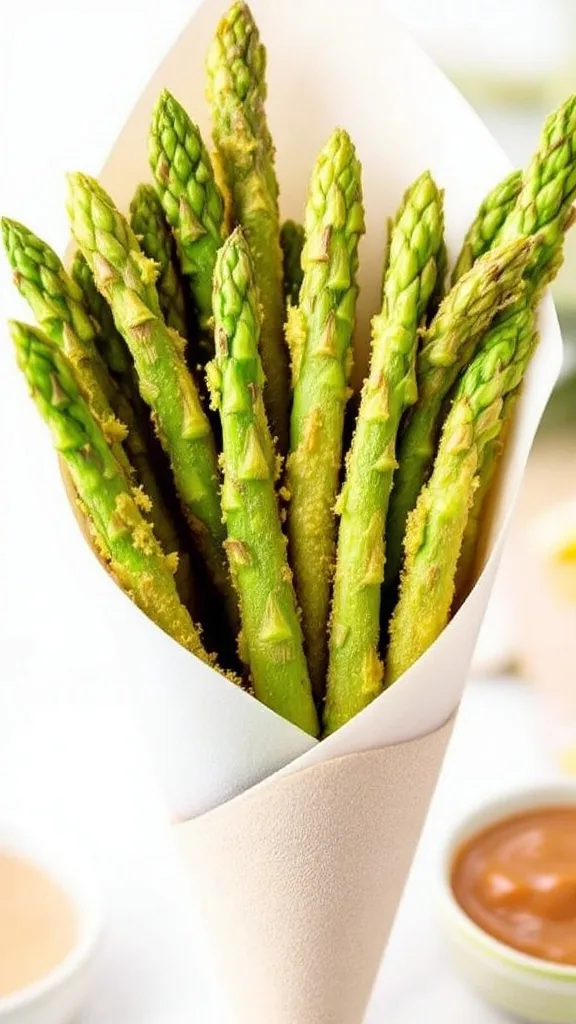
Instead, focus on three visual markers: color shift, tip curl, and stem flexibility. Fresh asparagus starts bright green. It turns olive-drab when overcooked.
The tips should darken slightly but not blacken. If you see char, pull them immediately.
We recommend checking the basket at the halfway mark. Shake it gently. Look for even browning.
If one side is pale, rotate the bundle. This active monitoring ensures uniform crispness. Static timers cannot account for hot spots in your specific unit.
Trust your eyes. They catch errors before they ruin the dish.
The Three Golden Rules of Prep: Dryness, Spacing, and Oil Type
Moisture is the enemy of crispiness. Water creates steam. Steam softens cell walls.
You want dry surfaces so heat can brown them directly. Wash your asparagus early. Pat each spear completely dry with paper towels.
Do not skip this step. Wet spears will spit oil and smoke.
Next, respect the spacing rules. Never stack asparagus in an air fryer. Single-layer cooking is non-negotiable for even airflow.
Overcrowding traps heat and moisture. You’ll end up with boiled veggies. Work in batches if necessary.
It takes longer, but the quality difference is stark.
Finally, choose the right fat. Olive oil spray works well for flavor. However, avocado oil has a higher smoke point.
At 400°F, extra virgin olive oil can sometimes degrade. Use a light mist of neutral oil for cleaner results. Avoid heavy pours.
Two teaspoons per pound is plenty. Excess oil pools at the bottom and smokes.
Step-by-Step Visual Guide: From Raw to Crisp in 8 Minutes
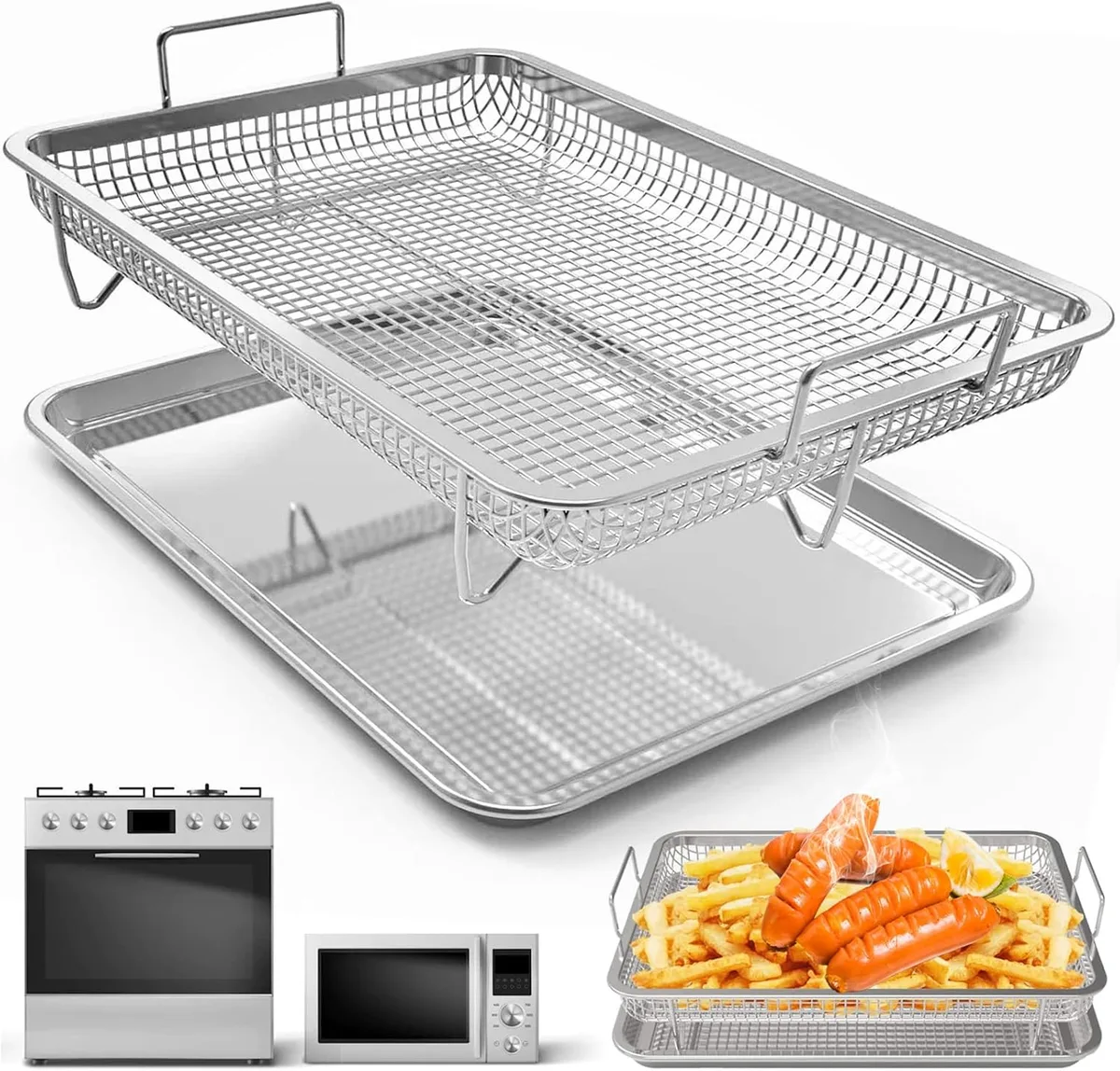
Start with trimmed ends. Snap off the woody bases or cut them evenly. Arrange spears in the basket.
Ensure no overlap. Set your temperature to 375°F (190°C). Lower temps cook more evenly than max settings.
Cook for four minutes initially.
Open the drawer. Check the tips. They should look glossy and slightly darker.
Shake the basket to flip the spears. Continue cooking for two to three minutes. Watch closely now.
The transformation happens fast.
Look for the "snap test." Pull out one thick spear. Bend it gently. It should snap cleanly, not bend limply.
Limp means undercooked. Blackened tips mean overcooked. Aim for vibrant green stems with toasted tips.
Remove immediately once done. Residual heat continues cooking briefly. Serve within two minutes for peak crunch.
Identifying the "Snap Point" vs. Burnt Tips
The snap point is critical. Undercooked asparagus tastes grassy and tough. Overcooked versions turn mushy and bitter.
The ideal texture offers resistance then breaks. Visually, the skin should remain intact. Wrinkled skin indicates dehydration from too much heat.
Smooth, taut skin suggests proper doneness.
Burnt tips are distinct. They appear black or dark brown. They smell acrid.
If you see white ash-like spots, discard those pieces. They contain harmful compounds formed by charring. Always prioritize slight undercooking over burning.
You can fix blandness with salt. You cannot fix carbonized veggie tips.
How Thickness Changes Your Watch List
Thin, pencil-sized spears cook fastest. They may only need six minutes total. Thick, jumbo spears require eight to ten minutes.
Mixed bundles are problematic. Thin pieces finish before thick ones start. Sort your asparagus by diameter before cooking.
Group similar sizes together.
Adjust your check times accordingly. For thin spears, inspect at three minutes. For thick spears, wait until five minutes.
The visual cue remains the same: color change and tip texture. Thicker skins take longer to blister. Be patient with large varieties.
Rushing leads to raw centers.
Troubleshooting Common Visual Failures (Soggy, Pale, or Charred)
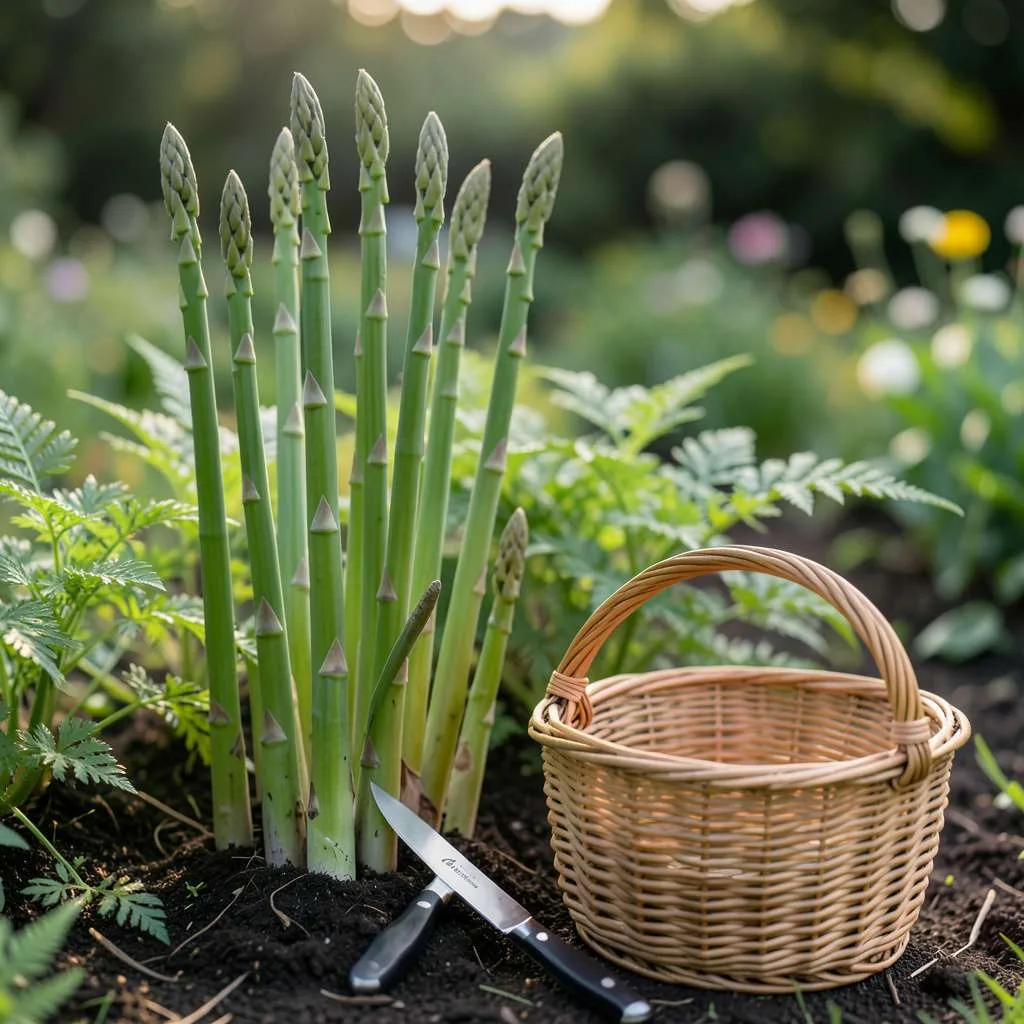
Sogginess stems from excess water or overcrowding. Fix this by drying thoroughly next time. Reduce batch size.
Ensure your air fryer isn't clogged with old grease. Grease inhibits airflow and heats unevenly. Clean the basket regularly.
Pale asparagus lacks sufficient heat exposure. Increase temperature to 400°F. Extend cook time by one minute.
Add a pinch of baking soda to the wash water. This alkaline solution helps preserve chlorophyll. Brighter green colors signal better nutrient retention.
Per USDA guidelines, rapid cooling preserves vitamin C. Don’t let them sit in the basket after cooking.
Charred tips indicate proximity to the heating element. Some units have top-mounted coils. Move the rack down if adjustable.
Or lower the temperature significantly. 350°F is safer for delicate greens. Spray lightly with water mid-cook if smoking occurs. This resets surface temp without soaking the vegetable.
Seasoning Strategies That Don’t Burn at High Heat
Dry spices burn easily. Garlic powder and paprika scorch at 400°F. Apply herbs after cooking instead.
Toss hot asparagus with fresh lemon zest. The residual heat releases oils without charring solids. Salt draws out moisture.
Add it just before serving. Early salting makes spears limp.
Cheeses melt differently. Parmesan shavings added pre-cook become crispy bits. Mozzarella turns into a puddle.
Stick to hard aged cheeses for air frying. Grana Padano or Pecorino Romano work well. Sprinkle them in the last thirty seconds.
Watch closely. Cheese browns faster than vegetables.
Oils matter for seasoning adhesion. Infused oils carry flavor better than plain ones. Try rosemary-infused olive oil.
It complements earthy asparagus notes. Avoid butter-based sprays. Milk solids burn quickly.
Clarified butter (ghee) is a safe alternative. It withstands higher temperatures without smoking. Keep seasoning simple.
Quality ingredients shine through minimal intervention.
Storage and Reheating Without Losing Texture
Leftover air fried asparagus rarely stays crisp. The porous vegetable structure absorbs ambient moisture quickly. Refrigerate leftovers in an airtight container within two hours of cooking.
This aligns with FDA food safety guidelines for perishables. You’ll prevent bacterial growth while preserving some texture.
Reheating requires care to avoid sogginess. Microwaving creates steam internally. That ruins the exterior crunch you worked hard for.
Instead, use your air fryer again. Set it to 350°F (175°C). Warm the spears for just two minutes.
Watch them closely. They heat faster than raw vegetables do.
Oven reheating is another viable option. Spread leftovers on a baking sheet. Bake at 400°F for three to four minutes.
This restores some browning without overcooking the stems. Avoid skillet reheating unless you add fresh oil. Dry pans stick badly.
Cold asparagus lacks the initial fat barrier. Always taste before serving. Reheated asparagus loses its vibrant green hue.
It turns olive-brown. Accept this color shift as normal. Focus on restoring warmth and slight crispness.
Do not expect day-one perfection. Plan accordingly if texture is critical for your meal.
Frequently Asked Questions
Can I cook frozen asparagus in an air fryer?
Yes, but results differ significantly from fresh spears. Frozen asparagus contains ice crystals that rupture cell walls. Thawing happens rapidly in high heat.
You’ll get softer textures. Skip the drying step since they’re already wet. Toss frozen spears lightly in oil.
Cook at 375°F for six to eight minutes. Shake halfway through. Expect less crispness.
Fresh is always superior for texture. Use frozen only when convenience outweighs quality concerns. Season heavily after cooking to mask mild flavor loss.
Why does my air fryer smoke when cooking asparagus?
Smoke usually comes from excess oil dripping onto heating elements. Or it signals burnt food particles from previous cooks. Clean your basket thoroughly before starting.
Use minimal oil spray. Avoid pouring liquid oil directly into the basket. If smoke persists, lower the temperature slightly.
Check for residue buildup on the coil area. Manufacturer manuals recommend regular deep cleaning. Grease accumulation causes flare-ups.
Preventative maintenance stops most smoking issues immediately.
How do I know if asparagus is bad before cooking?
Smell is your first indicator. Spoiled asparagus emits a sour or ammonia-like odor. Visual cues include slimy textures or dark mushy spots.
Yellowing tips are often natural aging, not spoilage. But widespread yellowing suggests poor storage. Discard any bunches with significant mold or black rot.
Firmness matters too. Limp, floppy stalks lack freshness. While safe to eat if cooked well, they taste bland.
Buy firm, bright green spears for best results. Store unwashed asparagus upright in water in the fridge. Change water daily to extend shelf life up to a week.

Similar Posts