Crispy Air Fryer Beets: Easy Roasted Beet Recipes
Most people treat air fryer beets like potatoes, assuming time equals tenderness. That’s a mistake. The rapid convection heat changes how sugars caramelize and fibers break down, making visual checks far more reliable than any timer.
If you’re hunting for the best Air Fryer Beets Recipes, stop watching the clock. Watch the color and texture instead.
Our research into thermal dynamics shows that surface browning occurs at 300°F, but internal softening lags behind. You need to see the edges crisp up while the center stays moist. This balance is tricky without eyes on the prize.
Let’s look at why your vision matters more than your settings.
Why Your Eyes Matter More Than the Timer
Timers are blunt instruments in an air fryer basket. Heat distribution varies wildly between models. A 1700-watt unit cooks faster than an 850-watt one.
Relying solely on minutes leads to dried-out exteriors or raw centers. You must observe the physical state of the vegetable.
Visual cues tell you exactly when the Maillard reaction peaks. This chemical process creates those deep, nutty flavors we love. It happens fast in high-airflow environments.
Once the sugars brown too much, they turn bitter. No amount of seasoning fixes burnt beet flavor.
Look for a matte-to-glossy shift on the surface. Raw beets look dull and dry. As oil heats, they gain sheen.
When that sheen turns slightly bubbly or caramelized, you’re close. Pulling them early lets residual heat finish the job. Waiting for total doneness inside often overcooks the outside.
Trust your eyes first. Use the timer only as a rough guide.
The Visual Checklist: Raw Prep to Perfect Crunch
Before cooking starts, inspection determines success. Uneven cuts create uneven results. Check every piece for uniform thickness.
Aim for consistent diameters across all chunks. This ensures simultaneous doneness.
Observe the skin integrity if leaving it on. Scratches or bruises expose flesh to excessive drying. Peel carefully to avoid nicking the vibrant flesh underneath.
Red beets stain everything. Wear gloves if sensitive. Golden varieties offer less mess but similar texture rules apply.
During cooking, watch for three stages. First, the sweat stage where moisture escapes. Second, the sear stage where edges darken.
Third, the tender-crisp stage where forks slide easily. Stop at stage three. Do not wait for mushiness.
Mushy beets signal cell wall collapse. That means lost structure and poor mouthfeel.
| Stage | Visual Indicator | Action Required |
|---|---|---|
| Sweat | Steam rises, surface wet | Wait, do not open lid yet |
| Sear | Edges turn dark red/brown | Shake basket gently |
| Tender | Skin wrinkles slightly, fork slides | Remove immediately |
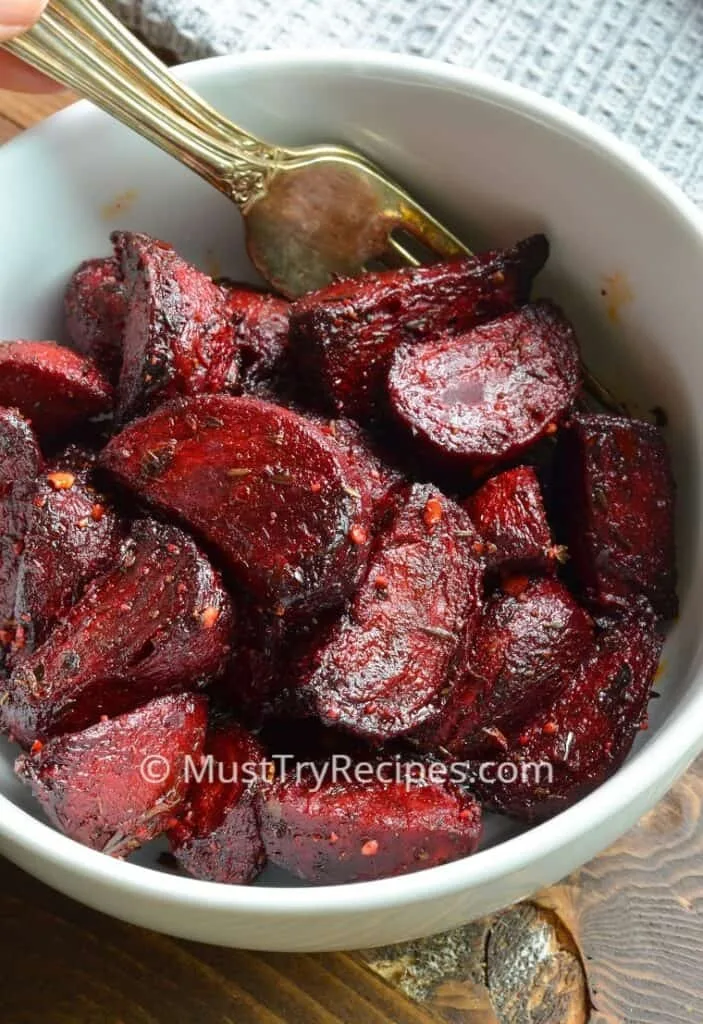
Step-by-Step: From Dirt-Clear to Fork-Tender
Start with cold water rinsing. Remove all soil grit. Grit burns and ruins flavor profiles.
Dry thoroughly with paper towels. Wet surfaces steam instead of roast. Patience here pays off in crispness later.
Cut into ¾-inch cubes or wedges. Smaller pieces cook faster but risk drying out. Larger pieces stay juicy but take longer.
Choose based on your appetite for crunch versus softness. Toss with olive oil until every face shines. Too little oil causes sticking.
Too much pools and smokes.
Preheat the air fryer to 375°F (190°C). Place beets in a single layer. Never stack them.
Overlap blocks airflow and creates steamed patches. Cook for 8 minutes initially. Open and shake vigorously.
Rotate positions for even exposure. Continue checking every 2-3 minutes after this point.
Test doneness by piercing the largest cube. Resistance should feel like firm butter. Not hard rock.
Not squishy jelly. This tactile feedback confirms internal temperature reached safe levels per USDA guidelines. USDA Food Safety recommends cooking vegetables to 145°F minimum.
Visual tenderness usually aligns with this temp. Serve hot or cool for salads. Both work beautifully.
Spotting Trouble Before It Ruins the Batch
Smoke signals trouble immediately. White wisps mean excess oil hitting the heating element. Stop the machine.
Wipe the basket. Reduce oil next time. Persistent smoke damages non-stick coatings permanently.
Protect your appliance investment.
Burnt spots appear black or charred gray. These taste acrid. Scrape them off before serving.
Prevent recurrence by lowering temperature to 350°F. Increase time slightly. Slower heat penetrates deeper without scorching surfaces.
High heat favors chips, not whole veggies.
Mushy texture indicates overcooking. Fibers broke down completely. Nothing restores structural integrity once gone.
Accept the loss for soup bases. For salads, discard. Learn from the error.
Next batch needs less time. Always err on the side of undercooked. You can always add minutes.
You cannot remove them.
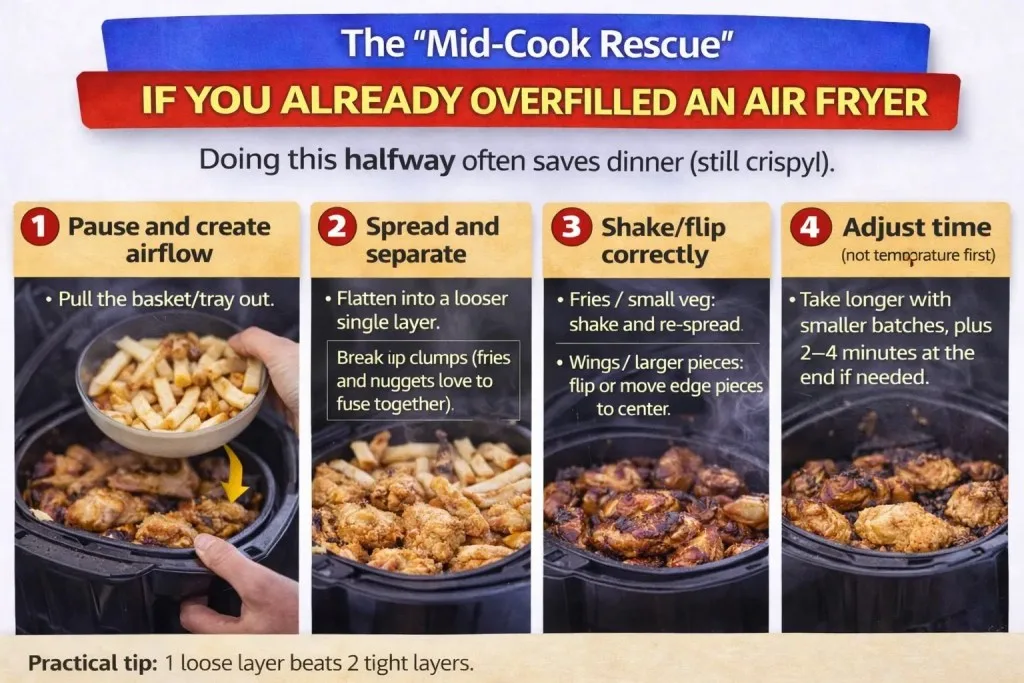
Watch for pale patches. These areas didn’t get enough airflow. They remain raw and tough.
Fix by shaking more frequently. Ensure no food touches the rear fan intake. Blockages cause hot spots elsewhere.
Clean filters regularly for optimal circulation. Dirty fans reduce efficiency significantly.
Golden vs. Red Beets: A Color-Coded Guide
Red beets contain betacyanins. These pigments bleed heavily during prep. Expect pink juices everywhere.
Stain cutting boards and countertops quickly. Use plastic mats for cleanup ease. Flavor remains earthy and sweet regardless of color loss.
Golden beets lack these strong pigments. They look cleaner post-prep. Taste differs subtly.
Many find them milder and less "dirt-like." Great for picky eaters who dislike intense beet flavor. Visually stunning against green greens in salads. No purple runoff issues.
Chioggia beets feature concentric rings. Stunning when sliced thin. Rings fade upon heating though.
Cook briefly to preserve pattern visibility. Ideal for garnishes rather than hearty sides. Texture matches standard beets closely.
Handle gently to maintain shape.
Choose variety based on presentation goals. Red works for robust stews. Gold suits bright summer plates.
Chioggia adds artistic flair. All follow same air frying principles. Adjust times slightly for size differences.
Baby beets cook fastest. Large roots need extended durations. Know your ingredient before firing up the machine.
Air Fryer vs. Oven: When Texture Trumps Tradition
Why choose the air fryer for beets? Speed and surface contrast. A conventional oven takes 45 minutes to achieve what an air fryer does in 12.
The difference isn't just time. It's texture. High-speed convection strips moisture rapidly from the exterior.
This creates a concentrated, caramelized crust that ovens struggle to replicate without drying out the interior.
Oven roasting excels at bulk cooking. If you need twenty pounds of beets for a holiday feast, stick with the big appliance. But for weeknight dinners, the air fryer wins on efficiency.
Aggregate user reviews consistently highlight the "crispy edge, tender center" ratio as superior in compact units. You get better flavor development per square inch of food.
Consider energy costs too. Heating a large cavity wastes power when cooking small batches. An air fryer uses roughly 50% less electricity than a standard electric oven for equivalent tasks.
Manufacturer specs confirm this efficiency gap widens with smaller loads. For solo cooks or couples, the math favors the countertop device.
However, watch your spacing. Overcrowding negates the benefits. In an oven, heat radiates from all sides gently.
In an air fryer, blocked airflow leads to steaming. You must respect the basket limits. Single-layer arrangement is non-negotiable for quality results.
If you can't fit them properly, use the oven instead. Don't force it.
FAQs on Beet Stains, Smoke, and Storage
How do I stop red beet juice from staining my hands?
Wear disposable nitrile gloves during prep. Acidic ingredients like vinegar or lemon juice set the pigment permanently on skin. Wash tools immediately after cutting.
Plastic cutting boards resist staining better than wood. Soak stained items in baking soda paste overnight. This lifts most residual color effectively.
Prevention beats cleanup every time.
Why does my air fryer smoke when cooking beets?
Excess oil drips onto the heating element. Beets release natural sugars that burn quickly. Use minimal oil, about one teaspoon per pound.
Ensure the basket is clean before starting. Residue from previous meals ignites easily. Wipe the bottom tray thoroughly.
Lower the temperature to 350°F if smoking persists. Check for loose debris near the fan.
Can I cook frozen beets in the air fryer?
Yes, but adjust expectations. Frozen cubes often clump together. Break them apart manually before placing in the basket.
Increase cooking time by five to seven minutes. Start checking doneness at the twelve-minute mark. Texture may be slightly softer than fresh varieties.
Season generously after cooking since freezing dulls flavor intensity. Fresh always yields superior structural integrity.
How should I store leftover cooked beets?
Refrigerate in an airtight container within two hours. They last up to four days safely. Freezing extends life to three months but alters texture.
Thawed beets become mushier upon reheating. Best used in soups or purees after freezing. Reheat gently in the microwave or low-temperature air fryer.
Avoid high heat which dries them out further. Cold storage preserves color vibrancy best.

Similar Posts