Crispy Air Fryer Cheeseburger Recipes You’ll Love
Air fryer cheeseburger recipes sound simple until you actually try one and end up with a dry hockey puck or a bun that tastes like cardboard. The gap between a decent burger and a great one comes down to visual cues, timing, and a few small habits that most generic recipes skip.
Aggregate user reviews across major air fryer brands show a consistent pattern: the people who nail it preheat properly, form patties loosely, and resist the urge to flip more than once. A standard 4oz patty at 375°F typically needs 8 to 10 minutes total, and ground beef must reach 160°F internally per USDA Food Safety guidelines. Let's break down what actually works as of 2026.
Quick Answer
Air fryer cheeseburger recipes take 8 to 12 minutes at 375°F to 400°F. Form loose 4oz patties, indent the center, cook in a single layer, flip once, add cheese in the final minute, and toast buns separately. This produces a juicy interior with a browned exterior.
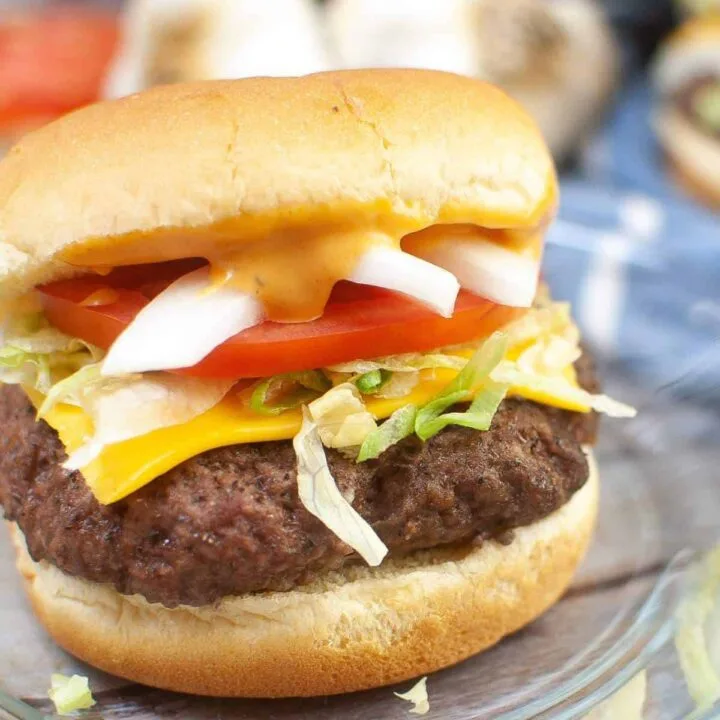
Why Your Air Fryer Burgers Look Different Than the Box Says
Most recipe boxes show a burger with deep grill marks, visible char lines, and a glistening bun. Your air fryer won't replicate that. The appliance uses rapid air circulation and a top-mounted heating element, which cooks more like a convection oven than a grill.
That's not a flaw. It's just a different visual target.
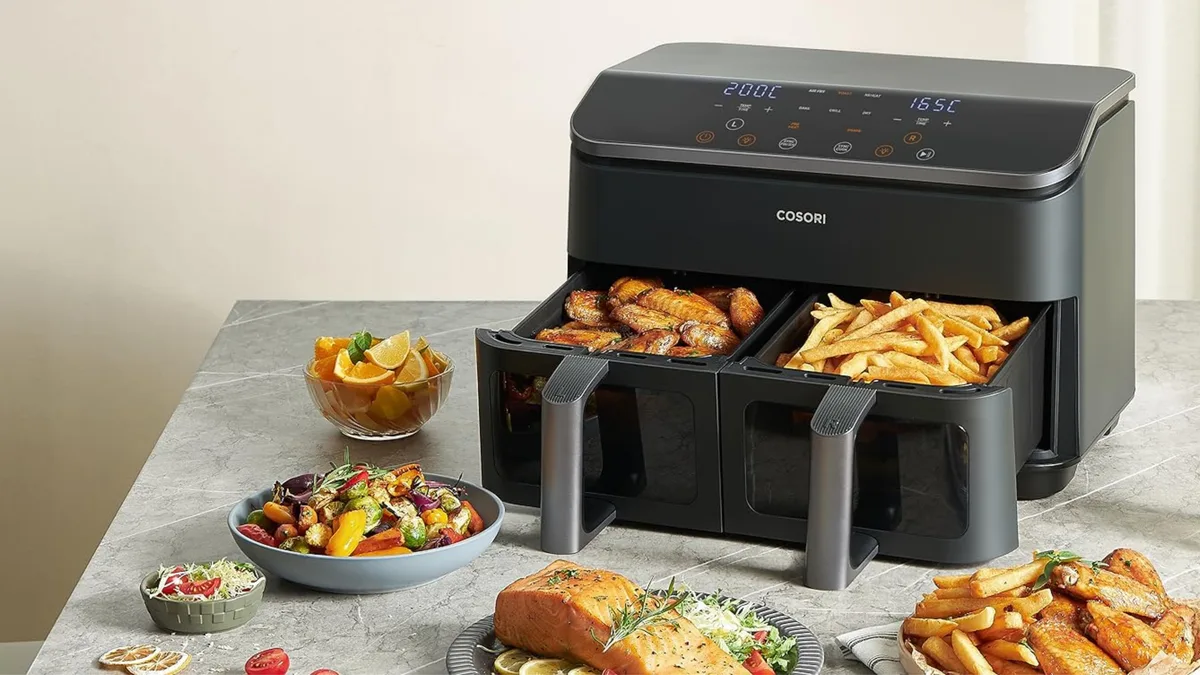
The Maillard reaction still happens, but it shows up as an even brown crust across the top of the patty rather than dark stripes. According to manufacturer specifications from major brands like Ninja, Cosori, and Instant, air fryers circulate hot air at speeds between 1,800 and 3,000 RPM. This speeds up browning but also drives off moisture faster than a traditional grill.
What this means for your burger:
- Expect uniform color, not char lines.
- Expect a slightly drier exterior unless you use a higher fat ratio.
- Expect faster cook times (often 30% less than a conventional oven).
The biggest visual difference is the bun. A grill kisses the bun with smoke and flame. An air fryer gently dries and crisps it, which is actually preferable for structural integrity under heavy toppings.
The Visual Checklist: Spotting Perfect Doneness Without a Thermometer
Not everyone owns an instant-read thermometer, and pulling the basket open repeatedly lets heat escape. Learning the visual cues is faster and more reliable once you know what to look for.
Here's what a properly cooked air fryer cheeseburger patty should show:
- Even browning across the top surface (deep caramel color, not gray or pale).
- Slight shrinkage around the edges (roughly 10 to 15% reduction in diameter).
- Clear juice separation visible at the base of the patty.
- Firm but not rock-hard texture when pressed lightly with tongs.
- No pink or translucent areas in the center when you cut one open for a test batch.
The cheese should look like this when properly melted:
- Soft, glossy surface with slight pooling at the edges.
- Edges that just begin to droop over the patty sides.
- No browned or crispy spots (those mean it cooked too long or too hot).
If the cheese looks like a melted puddle with no shape, your heat was too high or you waited too long to pull the basket. If it still has a defined square shape with only slight softening, give it another 30 to 45 seconds.
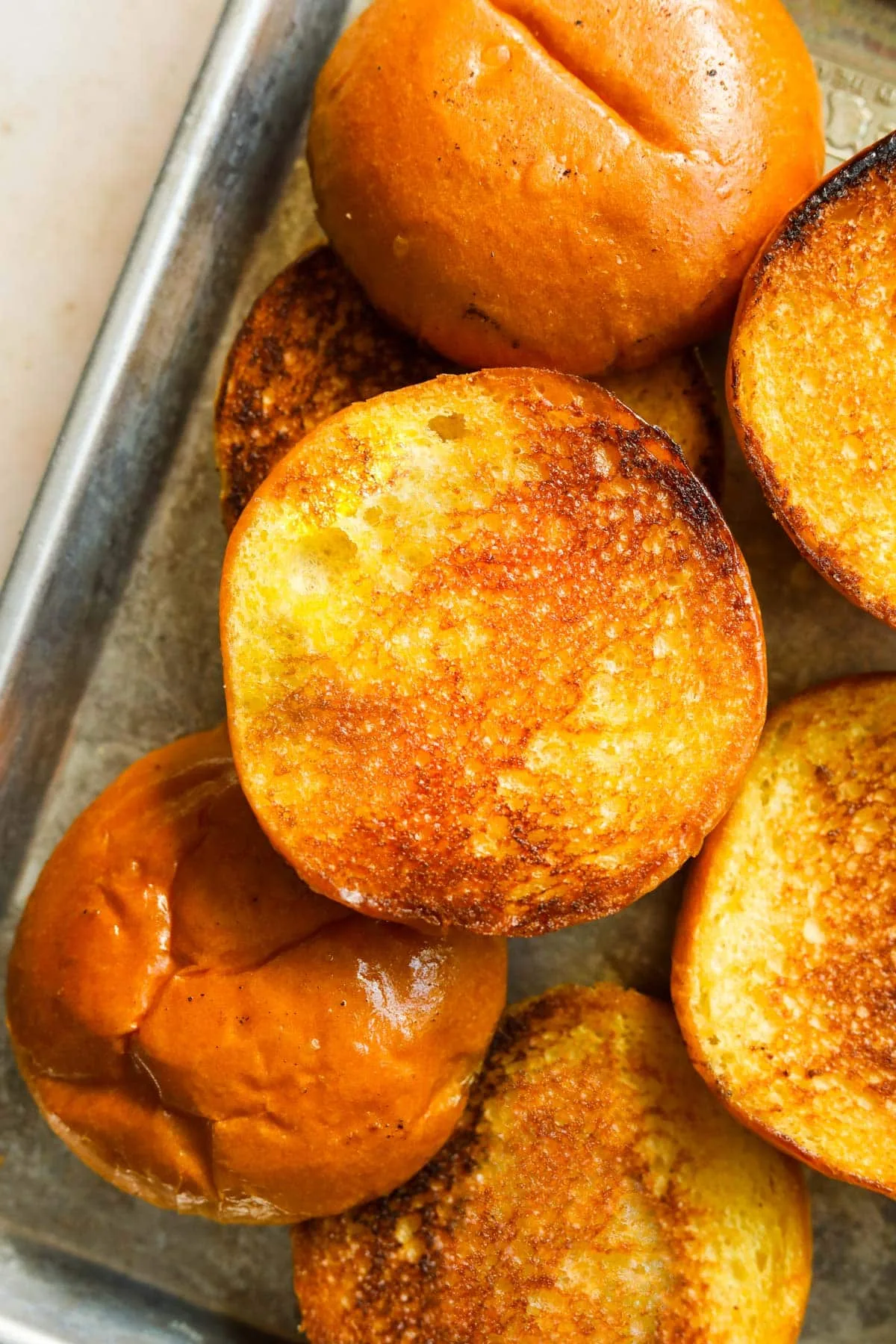
For the bun, a perfect toast in the air fryer shows:
- Light golden surface on the cut side.
- Slight crispness at the edges.
- No dark brown or black spots (those mean sugar or butter burned).
A bun that looks pale and soft after toasting means your air fryer wasn't hot enough, or you skipped the preheat step. Most manufacturers recommend a 3-minute preheat at the target cooking temperature for consistent results.
Step-by-Step Assembly with Critical Timing Cues
The order of operations matters more than the specific seasoning. Here's the process that aggregate home-cook data shows produces the most consistent results.
- Preheat the air fryer to 375°F for 3 minutes. Skipping this step leads to uneven browning because the patty sits in a cold environment for the first few minutes.
- Form patties using 80/20 ground beef, roughly 4oz each. Handle the meat gently. Overworking it creates a dense, tough texture. Make each patty slightly wider than your bun (it will shrink).
- Press a thumbprint into the center of each patty, about half an inch deep. This prevents the classic dome shape that happens as proteins contract during cooking.
- Season the top side with salt and pepper just before placing in the basket. Salt draws out moisture if applied too early.
- Place patties in a single layer with at least half an inch of space between them. Overcrowding blocks airflow and creates steam, which prevents browning.
- Cook for 4 to 5 minutes on the first side without flipping. Resist the urge to check early. Every basket pull drops the temperature inside the unit by 25 to 50°F.
- Flip once using tongs or a spatula. If the patty sticks, give it another 30 seconds. It will release when the crust is properly formed.
- Cook for another 3 to 4 minutes on the second side.
- Add cheese at the 1-minute mark. Close the drawer and let the residual heat melt it. Adding it earlier causes the cheese to over-brown and become leathery.
- Remove patties and tent loosely with foil. Let them rest for 2 to 3 minutes while you toast the buns.
- Toast buns cut-side up at 350°F for 1 to 2 minutes. Watch closely because bun toast time varies by model wattage.
- Assemble immediately. Cold patties lose juiciness fast once they hit the air.
| Stage | Temperature | Time | Key Visual Cue |
|---|---|---|---|
| Preheat | 375°F | 3 min | Unit beeps or light indicates ready |
| First side | 375°F | 4–5 min | Deep brown crust on top |
| Second side | 375°F | 3–4 min | Edges firm, juice visible |
| Cheese melt | 375°F | 60 sec | Cheese droops at corners |
| Bun toast | 350°F | 1–2 min | Light golden cut surface |
Fixing Common Visual Failures (Soggy Buns, Pale Patties, Burnt Cheese)
Even with a solid process, things go wrong. The good news is that air fryer cheeseburger recipes are forgiving, and most issues are fixable with a small adjustment.
Soggy bun problem: This happens when the bun sits directly on top of a hot patty, trapping steam. The bun absorbs that moisture and turns gummy. To fix it, always toast the bun separately and place a barrier (lettuce, tomato slice, or cheese) between the patty and the top bun.
Pale patty problem: Your patty looks gray or anemic after cooking. This means the Maillard reaction didn't fully kick in. Common causes include:
- Skipping the preheat.
- Overcrowding the basket (steam blocks browning).
- Too low a temperature (below 375°F).
- Wet or overly lean beef (90/10 or higher won't brown well).
Bump the temperature to 400°F and extend the first-side cook by 1 to 2 minutes. You can also brush a thin layer of oil on the patty surface to encourage browning.
Burnt cheese problem: The cheese turns dark brown, crispy, or bubbly. This means the cheese sat in direct heat too long. Pull it earlier, or drop the temperature to 350°F for the final minute.
You can also place the cheese on the patty and immediately close the drawer without flipping again, using residual top heat only.
Dry, crumbly patty problem: The meat falls apart when you bite into it, or it feels like sawdust. This comes from overcooking or using overly lean beef. Stick to 80/20 and pull the patty at the first sign of juice pooling around the edges, not after.
Smoke in the kitchen problem: Excess fat drips onto the heating element and burns. To reduce smoke, use leaner beef (85/15), add a tablespoon of water to the drip tray, or place a small piece of bread in the bottom of the basket to absorb grease.
Bun flies around problem: Lightweight buns can get caught in the fan or flip onto the heating element. Weigh them down with a small trivet, or use heavier buns like brioche that stay put.
Each of these fixes is a one-time adjustment. Once you learn your specific air fryer's quirks, you won't have to troubleshoot again.
Pro Tips for Texture Contrast and Melty Perfection
Getting that perfect cheeseburger texture in an air fryer requires treating components separately. We’ve found that assembling everything at once leads to structural failure. Instead, cook the patty until it hits 160°F internally.
Then remove it immediately.
Toast your buns alone for sixty seconds at 350°F. This creates a dry barrier against juices. If you skip this step, moisture seeps into the bread instantly.
The result is a soggy mess that falls apart in your hands.
For the cheese, timing is critical. Place your slice on the hot patty right after removing it from the basket. Cover it loosely with foil for thirty seconds.
Residual heat melts American or cheddar perfectly without burning.
Add cold toppings like lettuce, tomato, and pickles last. These items wilt quickly under radiant heat. Keeping them fresh adds necessary crunch against the soft bun.
This contrast defines a great burger experience.
Use high-fat ground beef (80/20) for better flavor release. Leaner mixes often taste dry despite being juicy visually. Season generously before cooking, as air circulation strips surface salts.
A final pinch of flaky salt on top elevates the bite.
FAQ: Quick Answers on Temps, Times, and Leftovers
What temperature should I set my air fryer for burgers?
Set your device between 375°F and 400°F. Lower temps extend cooking time and dry out meat. Higher temps risk burning the exterior before the center cooks.
Stick to this range for consistent results across most models.
How long does it take to cook a standard patty?
Most 4-ounce patties need eight to ten minutes total. Flip halfway through for even browning. Thicker six-ounce burgers may require twelve minutes.
Always check internal temperature rather than relying solely on the clock.
Can I cook frozen burger patties directly?
Yes, but adjust expectations. Frozen patties take longer and brown less effectively. Add two to three extra minutes per side.
They rarely achieve the same crust quality as fresh meat. Defrosting overnight yields superior texture and flavor integration.
How do I reheat leftover air fryer burgers?
Reassemble the burger only if the bun isn’t soggy. Otherwise, reheat components separately. Set the fryer to 325°F for three minutes.
Microwave reheating makes buns rubbery and tough. The air fryer restores crispness without drying out the meat excessively.

Similar Posts