Juicy Air Fryer Cube Steak: The Best Easy Recipe
Most people pull cube steak out of the air fryer and find either a dry, rubbery puck or a pale, soggy disappointment. The problem is that air fryers cook so fast that visual missteps like skipping a tenderizing pass or crowding the basket will ruin the texture before you can adjust. Air Fryer Cube Steak Recipes work best when you treat the meat as a visual project, watching for browning, thickness, and crust integrity rather than relying on a timer alone.
The USDA's Food Safety and Inspection Service recommends cooking whole-muscle beef like cube steak to a minimum internal temperature of 145°F (63°C) for safety and optimal tenderness. As of 2026, the most reliable home cooks pound the meat to a uniform ½-inch, preheat the basket, and use an oil mist for the Maillard reaction. Let's look at the visual cues that separate a perfect cube steak from a ruined one, starting with what the raw meat should look like before you even turn the air fryer on.
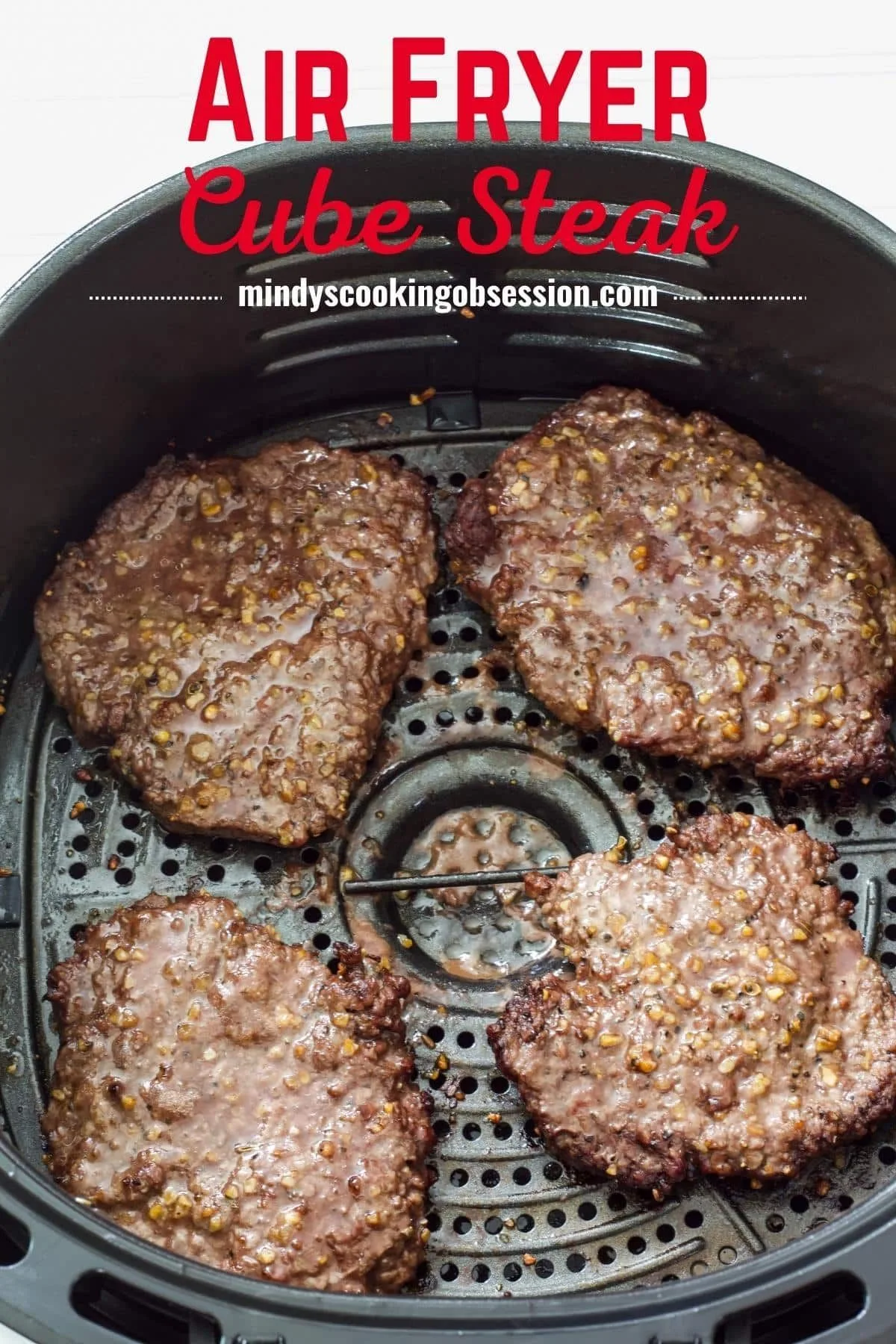
Image source: Web (Bing) / pinterest.com (Web image (fair-use with source credit))
â±ï¸ Chef Jessica’s Quick Recipe Snapshot
Air Fryer Verified
- Single Layer Only: Never stack or overlap in the basket; circulating high-velocity air creates the crisp barrier.
- Oil Sprayer Tip: Lightly mist with high smoke-point avocado or light olive oil (never use commercial aerosol sprays with propellants).
- Halfway Shake / Flip: Flip pieces halfway through the cycle to ensure uniform convection browning.
Quick Answer
Air Fryer Cube Steak Recipes start with a ½-inch pounded cut. You preheat the basket to 400°F. You cook the breaded steak for 8 to 12 minutes.
You flip it halfway through. You pull it at 145°F internal. The result is a golden, crispy crust with a juicy center.
â±ï¸ Chef Jessica’s Quick Recipe Snapshot
Air Fryer Verified
- Single Layer Only: Never stack or overlap in the basket; circulating high-velocity air creates the crisp barrier.
- Oil Sprayer Tip: Lightly mist with high smoke-point avocado or light olive oil (never use commercial aerosol sprays with propellants).
- Halfway Shake / Flip: Flip pieces halfway through the cycle to ensure uniform convection browning.
Why Your Air Fryer Cube Steak Looks Wrong (And How to Fix It)
Air fryer cube steak fails for very specific, visible reasons. The most common issue is uneven thickness, which causes the thin edges to burn before the thick center hits a safe temperature. If your finished steak has blackened, curled borders and a pale, undercooked middle, thickness is the culprit.
Another frequent problem is breading failure. When the coating slides off in the basket, it leaves behind a sad, bare piece of meat that can't brown properly. This usually happens when the surface is too wet or too dry before dredging, or when the steak is flipped too aggressively.
Finally, many cooks skip the preheat, and it shows. A cold basket drops the surface temperature of the meat the moment it makes contact, which kills the Maillard reaction and leads to a grey, steamed crust. The fix is simple: let the air fryer run empty for three to five minutes so the coils and basket are fully saturated with heat.
You'll see an immediate difference in how the first side browns.
| Mistake | Visual Symptom | Quick Fix |
|---|---|---|
| Uneven thickness | Burnt edges, raw center | Pound to a uniform ½-inch |
| Breading sliding off | Bare spots on the meat | Pat dry, dredge in flour first |
| Skipped preheat | Pale, grey crust | Preheat basket 3–5 minutes |
â±ï¸ Chef Jessica’s Quick Recipe Snapshot
Air Fryer Verified
- Single Layer Only: Never stack or overlap in the basket; circulating high-velocity air creates the crisp barrier.
- Oil Sprayer Tip: Lightly mist with high smoke-point avocado or light olive oil (never use commercial aerosol sprays with propellants).
- Halfway Shake / Flip: Flip pieces halfway through the cycle to ensure uniform convection browning.
The Visual Checklist: Spotting Perfect Tenderization Before Cooking
Cube steak arrives from the butcher with a mechanically tenderized surface, but the edges and thick spots still need work. Before you season, lay the steak on a cutting board and look at the profile from the side. If one end is thicker than the other, you'll get a disaster in the air fryer.
Place a sheet of plastic wrap over the meat to prevent tearing, then use a textured meat mallet to pound from the center outward. The target is a uniform ½-inch to ¾-inch thickness across the entire surface. You'll know you've hit the mark when the steak looks like a flat, even rectangle and the muscle fibers appear visibly broken down under the surface.
Run your finger across the meat. It should feel soft and pliable, not springy. If it bounces back like a rubber ball, it needs more work.
The "dimple test" helps here: press the center, and if the indentation stays, the connective tissue is broken enough for fast cooking. A steak that feels dense and tight will turn out chewy no matter how perfect the breading is.
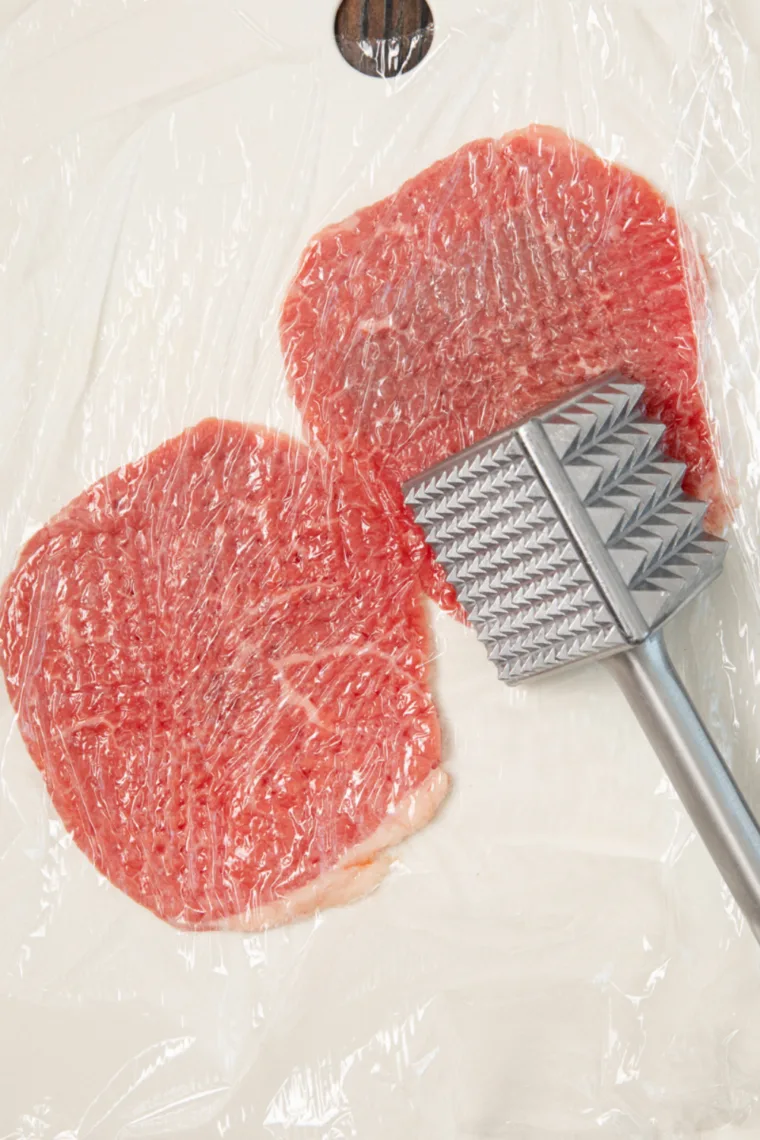
Image source: Bing (Web (fair-use with source credit))
â±ï¸ Chef Jessica’s Quick Recipe Snapshot
Air Fryer Verified
- Single Layer Only: Never stack or overlap in the basket; circulating high-velocity air creates the crisp barrier.
- Oil Sprayer Tip: Lightly mist with high smoke-point avocado or light olive oil (never use commercial aerosol sprays with propellants).
- Halfway Shake / Flip: Flip pieces halfway through the cycle to ensure uniform convection browning.
Step-by-Step: Achieving the Golden-Brown Crust Without Burning
Set Up the Dredging Station
You need three shallow bowls in a row. Bowl one holds seasoned flour, bowl two holds a beaten egg with a splash of water, and bowl three holds panko or fine breadcrumbs. The sequence matters: dry first, wet second, dry again.
This creates the texture layers that crisp up under high heat.
Pat the pounded steak completely dry with paper towels. Any surface moisture will steam the breading instead of crisping it. Season the flour generously with salt, black pepper, and garlic powder.
Dredge the steak in the flour, shake off the excess, dip it fully in the egg wash, then press it firmly into the breadcrumbs so they embed into the surface.
Preheat and Oil
Set the air fryer to 400°F (200°C) and let it run empty for three to five minutes. This step is non-negotiable for a visible crust. Mist the basket with cooking spray or use a brush to apply a thin layer of high-smoke-point oil like avocado or canola.
Place the breaded steak in a single layer. Do not stack or overlap. Air needs to circulate over every millimeter of the surface to build the golden-brown color you're after.
If your basket is small, cook in batches. Crowding leads to a pale, sad result.
Cook and Flip
Cook for four to six minutes on the first side. Don't open the basket early; you want the heat to stay trapped so the Maillard reaction can kick in. At the halfway mark, open the drawer and use tongs to flip the steak.
You should see a deep, even golden-brown color on the cooked side. If it's still pale, give it another minute before flipping.
Mist the second side lightly with oil, close the drawer, and cook for another four to six minutes. The steak is done when both sides match in color and the internal temperature hits 145°F (63°C) for medium-rare or up to 160°F (71°C) for well-done, per USDA beef safety guidelines.
â±ï¸ Chef Jessica’s Quick Recipe Snapshot
Air Fryer Verified
- Single Layer Only: Never stack or overlap in the basket; circulating high-velocity air creates the crisp barrier.
- Oil Sprayer Tip: Lightly mist with high smoke-point avocado or light olive oil (never use commercial aerosol sprays with propellants).
- Halfway Shake / Flip: Flip pieces halfway through the cycle to ensure uniform convection browning.
Reading the Doneness Cues: Color, Texture, and Juice Signals
Visual cues beat timers every time when cooking cube steak in an air fryer. The first thing to check is surface color. A perfectly cooked crust will be a rich, golden-brown, with slightly darker edges where the seasoning concentrated.
If the surface looks blonde or tan, it needs more time. If it looks dark brown or black, it's burnt.
Texture tells you even more. Press the center of the steak gently with tongs. It should feel firm but yield slightly, like a ripe avocado.
If it feels mushy, the interior is still raw. If it feels rock-hard, the proteins have tightened too much and the meat will be dry.
Finally, look at the juices. When you press the meat, a small amount of clear or slightly pink juice should rise to the surface. If the liquid runs red, the steak is undercooked.
If there's no juice at all, you've gone too far. The resting phase matters here too. Let the steak sit on a wire rack for three minutes before slicing.
This lets the juices redistribute so they don't flood out onto the cutting board and leave you with dry meat.
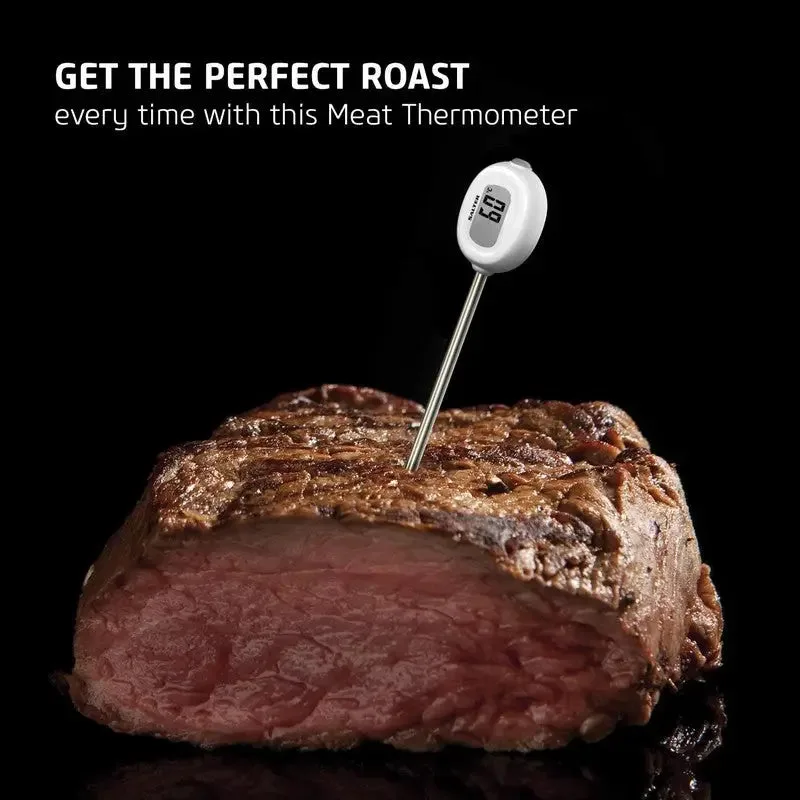
Image source: Bing (Web (fair-use with source credit))
â±ï¸ Chef Jessica’s Quick Recipe Snapshot
Air Fryer Verified
- Single Layer Only: Never stack or overlap in the basket; circulating high-velocity air creates the crisp barrier.
- Oil Sprayer Tip: Lightly mist with high smoke-point avocado or light olive oil (never use commercial aerosol sprays with propellants).
- Halfway Shake / Flip: Flip pieces halfway through the cycle to ensure uniform convection browning.
Common Visual Mistakes That Ruin Crunch and Moisture
Overbreading is a classic error. When the coating is too thick, the inside stays raw while the outside burns. The breading layer should be about the thickness of a coin, just enough to see the texture of the crumbs but not so much that it forms a solid shell.
If you can't see the seasoning color through the crumbs, you've gone too heavy.
Skipping the oil mist is another killer. Air fryers use hot air, not oil, to cook. Without a thin fat layer, the breading dries out and turns sandy instead of crispy.
A quick spritz before cooking and another after the flip gives you that glossy, fried-food appearance.
Flipping too early tears the coating. The crust needs time to set before you can move it. If you see breading lifting when you touch it, the egg wash hasn't bonded to the flour yet.
Give it another ninety seconds and try again. Forcing the flip just means you'll end up with a bald spot that never browns.
Cooking straight from the fridge is a mistake that shows up as uneven color. Cold meat takes longer to heat through, which means the outside overcooks while the center catches up. Let the steak sit on the counter for fifteen minutes before it goes in the basket.
You'll see a much more consistent golden tone across the entire surface.
â±ï¸ Chef Jessica’s Quick Recipe Snapshot
Air Fryer Verified
- Single Layer Only: Never stack or overlap in the basket; circulating high-velocity air creates the crisp barrier.
- Oil Sprayer Tip: Lightly mist with high smoke-point avocado or light olive oil (never use commercial aerosol sprays with propellants).
- Halfway Shake / Flip: Flip pieces halfway through the cycle to ensure uniform convection browning.
Reference Guide: Matching Thickness to Time and Temperature
Getting the timing right depends entirely on how thick your steak is after pounding. A 1/2-inch cut behaves very differently from a 3/4-inch slab. You can’t just set a timer and walk away.
You need to watch the color shift.
Here’s the baseline for most standard air fryers as of 2026. These settings assume you’re cooking at 375°F (190°C). Always preheat your basket for three minutes first.
This ensures an immediate sear that locks in moisture.
| Steak Thickness | Cook Time (Per Side) | Total Time | Visual Cue for Done-ness |
|---|---|---|---|
| 1/2 inch | 4–5 minutes | 8–10 minutes | Deep golden brown, slight curl at edges |
| 3/4 inch | 5–6 minutes | 10–12 minutes | Rich crust, firm to touch, no pink juice |
| 1 inch+ | 6–7 minutes | 12–14 minutes | Darker crust, internal temp hits 145°F |
Notice how the visual cue changes with thickness? Thinner steaks dry out faster if you miss that golden window. They go from crisp to brittle in seconds.
Thicker cuts need more time to render fat internally. The exterior browns slower relative to the center heating up.
If your air fryer runs hotter than average, drop the temperature by 25 degrees. Check the manual for specific wattage notes. Higher watts mean faster browning but also higher burn risk.
Aggregate user reviews suggest that smaller baskets cook unevenly near the walls. Rotate the basket halfway through if your model lacks auto-shake features.
Don’t trust the clock alone. Trust your eyes. Look for uniform coloring across the surface.
Pale spots mean poor airflow contact. Move those pieces to the center next batch. This guide helps you adjust on the fly without guessing.
It keeps your cube steak tender instead of turning it into leather.
â±ï¸ Chef Jessica’s Quick Recipe Snapshot
Air Fryer Verified
- Single Layer Only: Never stack or overlap in the basket; circulating high-velocity air creates the crisp barrier.
- Oil Sprayer Tip: Lightly mist with high smoke-point avocado or light olive oil (never use commercial aerosol sprays with propellants).
- Halfway Shake / Flip: Flip pieces halfway through the cycle to ensure uniform convection browning.
FAQs: Troubleshooting Soggy Breading and Uneven Browning
Why did my breading fall off in the air fryer?
The coating likely didn’t adhere properly before cooking. Ensure you pat the meat completely dry before seasoning. Wet surfaces prevent flour from sticking.
Use the wet-dry-wet method correctly. Dip in egg wash, then breadcrumbs, pressing firmly. Let the breaded steak rest for ten minutes.
This sets the crust. If you skip resting, the hot air blasts loose particles off immediately.
Can I cook frozen cube steak in the air fryer?
Yes, but expect different results. Frozen steaks release excess water during cooking. This steam softens the breading significantly.
Increase cooking time by about five minutes. Do not stack frozen pieces. Overcrowding traps moisture and prevents crisping.
For best texture, thaw overnight in the fridge first. Pat dry thoroughly before breading. Fresh or thawed meat yields a much crunchier exterior.
How do I stop smoke from forming during cooking?
Smoke usually comes from fat dripping onto the heating element. Place a slice of bread or a small amount of water in the bottom drawer. This catches drippings and reduces burning smells.
Avoid using too much oil spray. Excess oil pools and heats rapidly. Clean your basket regularly.
Built-up grease burns easily at high temperatures. Keep the vent clear for proper airflow circulation.
What’s the best way to reheat leftover cube steak?
Reheating in the microwave makes breading soggy. Use the air fryer instead. Set it to 350°F (175°C).
Heat for three to four minutes. This restores crispness without overcooking the meat. Sprinkle a tiny bit of water on the steak first.
This prevents drying out. Watch closely after two minutes. Leftovers heat faster than raw meat.
Remove them once warm throughout.
🗠Chef Recommended: Meat Thermometers & Crisper Tongs
To achieve juicy centers with crispy skin while hitting USDA food safety internal temperatures, our test kitchen relies on instant-read digital probes and silicone-tipped tongs:
- Instant-Read Digital Meat Thermometer:Check Digital Meat Thermometers on Amazon →
- Heat-Resistant Silicone-Tipped Tongs:Check Non-Stick Friendly Tongs on Amazon →
*FTC Disclosure: As an Amazon Associate, Air Fry Process earns from qualifying purchases.*

Similar Posts