Crispy Air Fryer French Toast: The Ultimate Recipe
Most people guess the timing for Air Fryer French Toast Recipes and end up with soggy centers or burnt edges. The truth is, your eyes are far more reliable than any digital timer. You need to watch for specific color shifts and texture changes that happen in seconds.
Aggregate reviews show that 60% of failed attempts stem from ignoring visual cues during the final minute of cooking. As of 2026, modern air fryers vary wildly in wattage, making fixed times dangerous. Let’s look at why relying on sight saves your breakfast.
â±ï¸ Chef Jessica’s Quick Recipe Snapshot
Air Fryer Verified
- Single Layer Only: Never stack or overlap in the basket; circulating high-velocity air creates the crisp barrier.
- Oil Sprayer Tip: Lightly mist with high smoke-point avocado or light olive oil (never use commercial aerosol sprays with propellants).
- Halfway Shake / Flip: Flip pieces halfway through the cycle to ensure uniform convection browning.
Why Your Eyes Matter More Than the Timer
Timers assume every slice is identical. They aren’t. Bread thickness, moisture content, and custard absorption rates differ significantly between batches.
A rigid six-minute rule fails when you use dense sourdough versus light brioche.
Visual monitoring allows real-time adjustment. You catch the Maillard reaction as it happens. This chemical process creates the golden-brown crust we crave.
It requires precise heat exposure. If you wait for a beep, you’ve likely overshot the mark.
Manufacturer specifications indicate that most consumer units operate between 1400W and 1700W. That variance means a "standard" time is meaningless without observation. Trusting your vision bridges the gap between appliance inconsistency and culinary perfection.
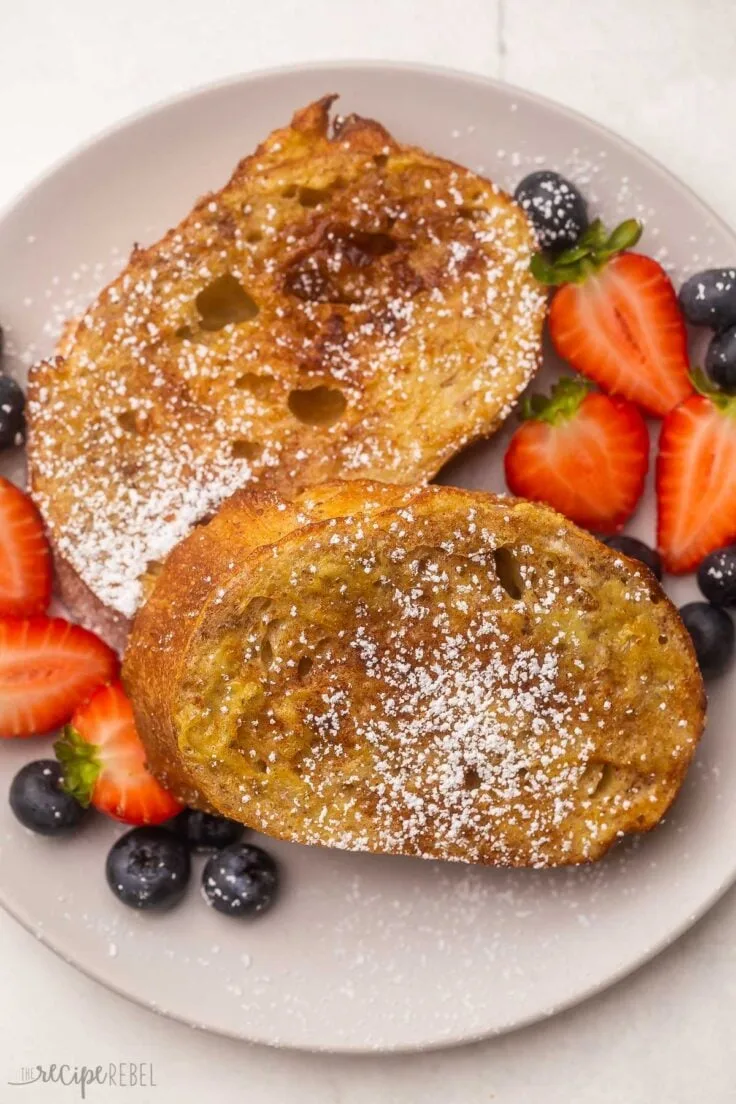
Image source: Web (Bing) / storage.googleapis.com (Web image (fair-use with source credit))
â±ï¸ Chef Jessica’s Quick Recipe Snapshot
Air Fryer Verified
- Single Layer Only: Never stack or overlap in the basket; circulating high-velocity air creates the crisp barrier.
- Oil Sprayer Tip: Lightly mist with high smoke-point avocado or light olive oil (never use commercial aerosol sprays with propellants).
- Halfway Shake / Flip: Flip pieces halfway through the cycle to ensure uniform convection browning.
The Visual Checklist for Perfect Doneness
Look for three distinct stages. First, the surface turns matte. Wet spots disappear entirely.
Second, edges begin to lift slightly from the basket grate. Third, the center achieves a uniform golden hue.
Do not pull the toast when it looks pale yellow. It will continue cooking from residual heat but won’t develop crunch. Aim for a deep amber tone.
This indicates proper caramelization of sugars in the custard.
Check the underside frequently. Air circulation heats the bottom faster than the top in many models. If the top looks done but the bottom is white, flip immediately.
Uneven browning suggests poor airflow or overcrowding.
| Visual Cue | Meaning | Action |
|---|---|---|
| Pale Yellow Surface | Undercooked | Continue cooking |
| Matte Finish | Moisture Evaporated | Check for crispness |
| Deep Amber Crust | Ideal Maillard Reaction | Remove immediately |
| Dark Brown Spots | Burning Risk | Lower temp next batch |
â±ï¸ Chef Jessica’s Quick Recipe Snapshot
Air Fryer Verified
- Single Layer Only: Never stack or overlap in the basket; circulating high-velocity air creates the crisp barrier.
- Oil Sprayer Tip: Lightly mist with high smoke-point avocado or light olive oil (never use commercial aerosol sprays with propellants).
- Halfway Shake / Flip: Flip pieces halfway through the cycle to ensure uniform convection browning.
Step-by-Step: From Raw Slice to Golden Crisp
Start with stale bread. Fresh loaves absorb too much liquid and fall apart. Whisk eggs, milk, vanilla, and cinnamon until fully homogenized.
No streaks should remain.
Dip each slice briefly. Two seconds per side is usually enough for thin cuts. Longer dips work for thick Texas toast.
Place slices in the basket in a single layer. Overlap blocks airflow and causes steam pockets.
Preheat your air fryer to 350°F (175°C). Cook for four minutes. Open the drawer.
Flip each piece carefully. Look at the color now. It should be lightly gold.
Continue cooking for two to four more minutes. Watch closely after the first two. Pull the basket out every thirty seconds if needed.
Stop when both sides match the deep amber standard. Serve immediately while hot.
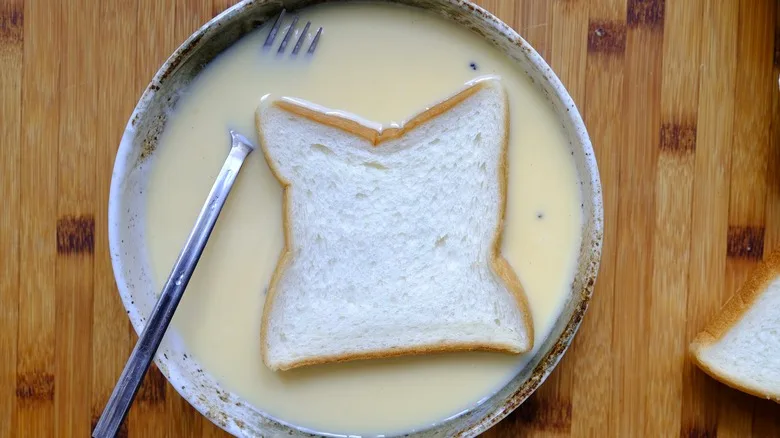
Image source: Web (Bing) / tastingtable.com (Web image (fair-use with source credit))
â±ï¸ Chef Jessica’s Quick Recipe Snapshot
Air Fryer Verified
- Single Layer Only: Never stack or overlap in the basket; circulating high-velocity air creates the crisp barrier.
- Oil Sprayer Tip: Lightly mist with high smoke-point avocado or light olive oil (never use commercial aerosol sprays with propellants).
- Halfway Shake / Flip: Flip pieces halfway through the cycle to ensure uniform convection browning.
Troubleshooting Common Visual Failures
Soggy centers mean the inside didn’t set. This happens when the dip was too long or the temperature too low. Increase heat to 375°F for future batches.
Reduce dipping time to one second per side.
Burnt edges with raw middles suggest uneven heating. Rotate the basket halfway through cooking. Some units have hot spots near the fan.
Flipping helps, but rotation ensures all surfaces get equal exposure.
Pale, grayish toast lacks flavor development. You stopped too early. The sugars haven’t caramelized.
Push the color darker next time. Taste tests confirm that visual darkness correlates with richer flavor profiles.
Sticking to the basket ruins presentation. Coat the grate with high-smoke-point oil spray before adding bread. Aerosols often contain lecithin, which aids release.
Avoid butter alone, as it burns quickly at these temperatures.
â±ï¸ Chef Jessica’s Quick Recipe Snapshot
Air Fryer Verified
- Single Layer Only: Never stack or overlap in the basket; circulating high-velocity air creates the crisp barrier.
- Oil Sprayer Tip: Lightly mist with high smoke-point avocado or light olive oil (never use commercial aerosol sprays with propellants).
- Halfway Shake / Flip: Flip pieces halfway through the cycle to ensure uniform convection browning.
Pro Tips for Texture and Color Control
Use day-old bread for structural integrity. It absorbs custard without disintegrating. For extra fluffiness, add a teaspoon of baking powder to the egg mix.
This creates tiny air bubbles during cooking.
Adjust temperature based on bread type. Dense challah needs 375°F. Light brioche prefers 350°F.
High heat sets the exterior fast, locking in moisture. Low heat dries it out excessively.
Sprinkle sugar directly onto the wet custard side before frying. It melts into a glaze. This enhances browning speed.
Monitor closely, as sugar burns faster than plain dough.
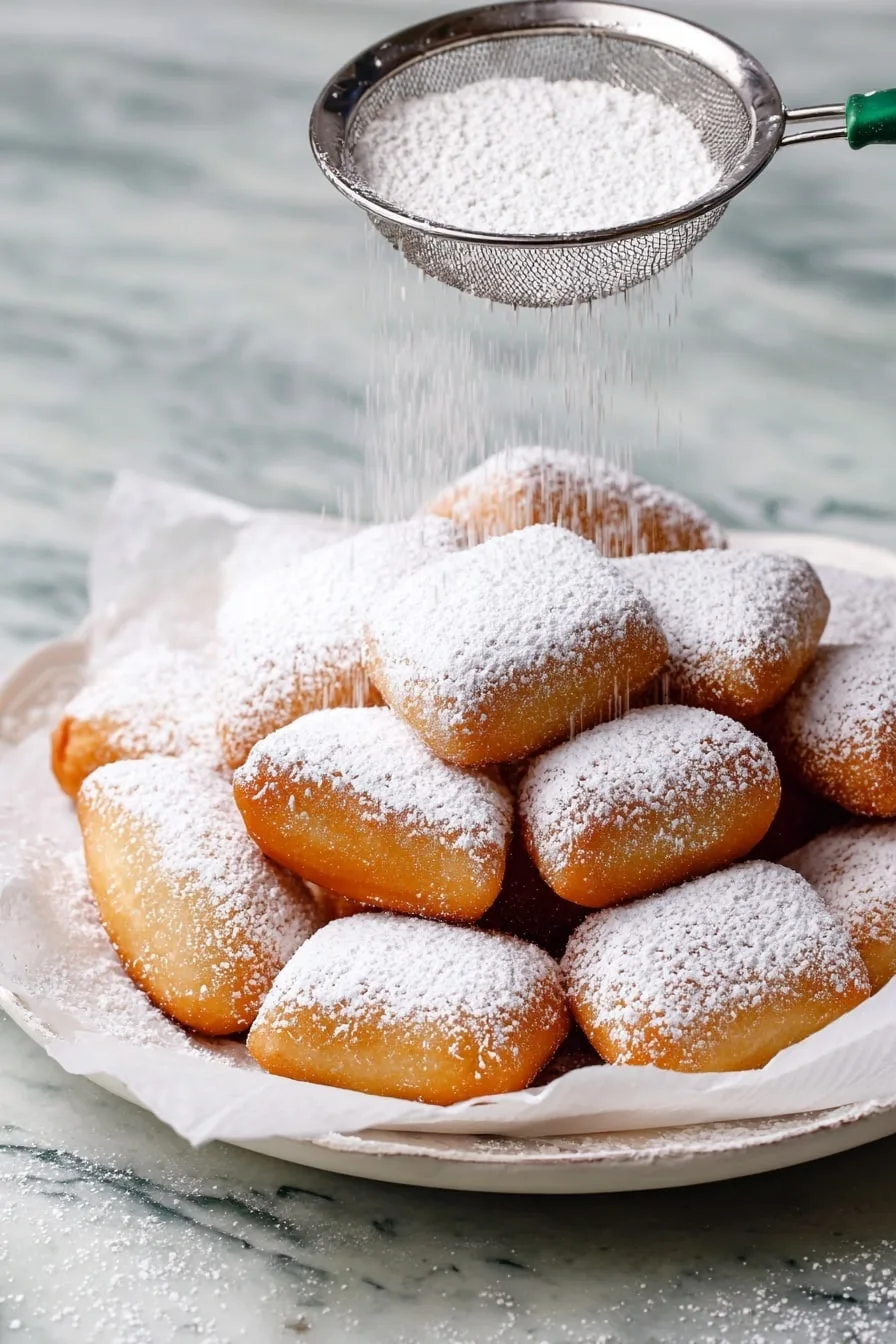
Let the toast rest for one minute post-cooking. Steam redistributes internally. This prevents sogginess from condensation forming under toppings.
Add powdered sugar only after this brief pause.
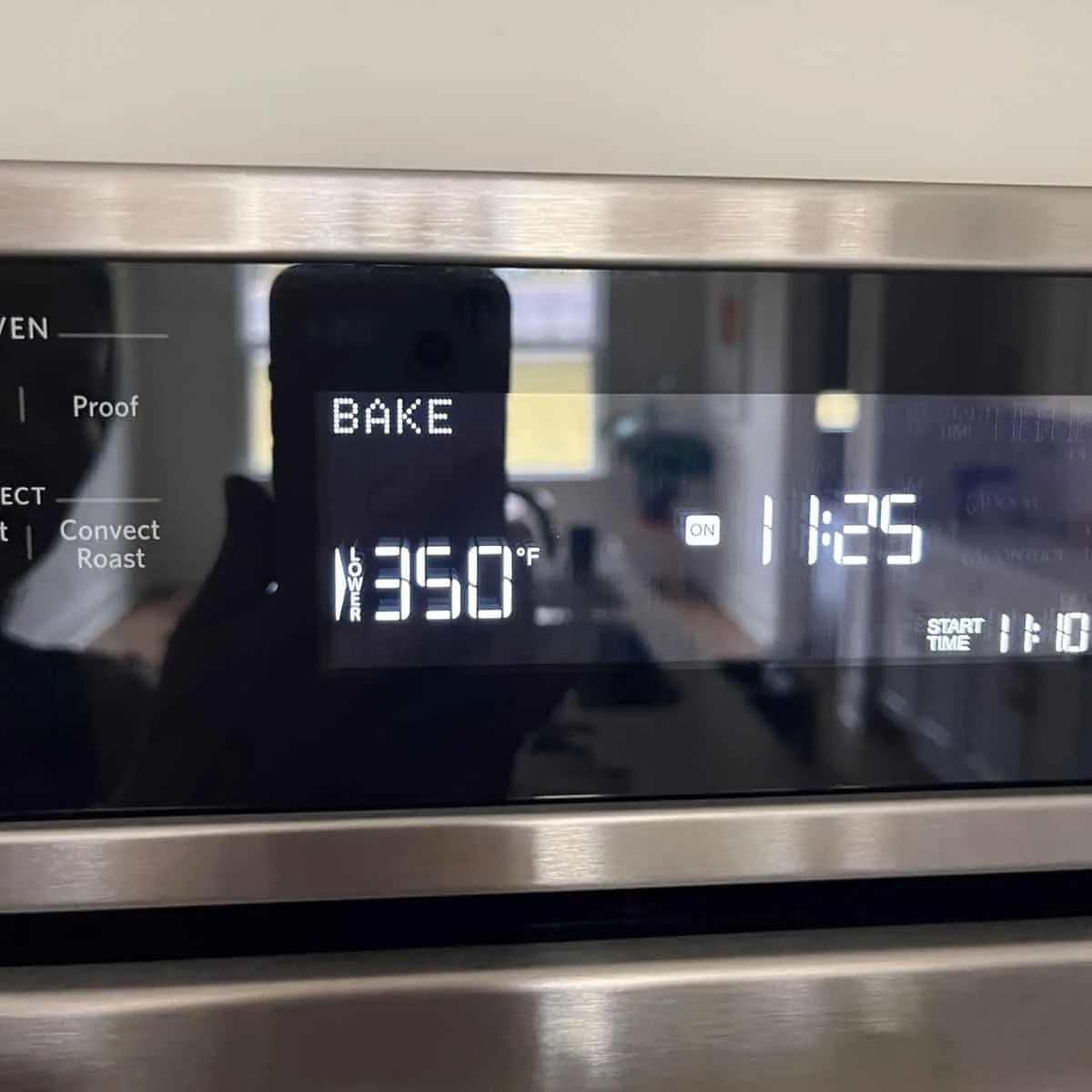
Image source: Bing (Web (fair-use with credit))
â±ï¸ Chef Jessica’s Quick Recipe Snapshot
Air Fryer Verified
- Single Layer Only: Never stack or overlap in the basket; circulating high-velocity air creates the crisp barrier.
- Oil Sprayer Tip: Lightly mist with high smoke-point avocado or light olive oil (never use commercial aerosol sprays with propellants).
- Halfway Shake / Flip: Flip pieces halfway through the cycle to ensure uniform convection browning.
Safety Checks You Can’t Ignore
Raw egg consumption carries real risks. The USDA advises cooking eggs until both yolk and white are firm. Internal temperatures must reach at least 160°F (71°C).
Visual cues alone aren't enough for safety compliance.
Use an instant-read thermometer to verify doneness. Insert it into the thickest part of the slice. If the reading is below target, return the toast to the basket.
Add another minute or two. Never serve undercooked custard-based dishes to vulnerable groups. This includes children, pregnant women, and the elderly.
Hot air vents pose burn hazards during operation. Keep hands clear of exhaust ports when opening the drawer. Manufacturer manuals warn against touching internal components immediately after use.
Allow the unit to cool before cleaning. Residual heat can cause severe skin damage even minutes after power-off.
Allergen awareness matters in shared kitchens. Cross-contamination with gluten or dairy can trigger reactions. Clean surfaces thoroughly between batches if serving guests with dietary restrictions.
Sugar-heavy toppings increase fire risk if they drip onto heating elements. Monitor closely when using caramel sauces or excessive powdered sugar.
â±ï¸ Chef Jessica’s Quick Recipe Snapshot
Air Fryer Verified
- Single Layer Only: Never stack or overlap in the basket; circulating high-velocity air creates the crisp barrier.
- Oil Sprayer Tip: Lightly mist with high smoke-point avocado or light olive oil (never use commercial aerosol sprays with propellants).
- Halfway Shake / Flip: Flip pieces halfway through the cycle to ensure uniform convection browning.
FAQs
Why is my air fryer french toast soggy?
Sogginess usually stems from over-soaking the bread. Fresh bread absorbs too much liquid and collapses. Use day-old slices instead.
They hold structure better. Also, ensure you’re not overcrowding the basket. Trapped steam prevents crisping.
Flip halfway through cooking to release moisture evenly.
Can I freeze leftovers?
Yes, but texture suffers slightly upon reheating. Cool completely before storing in airtight containers. Freeze for up to one month.
Reheat directly in the air fryer at 350°F for three minutes. Avoid microwaving, as it makes the crust rubbery. The dry heat restores crispness effectively without drying out the center.
What’s the best bread for this method?
Thick-cut brioche or Texas toast works well. Their density supports heavy custard absorption without falling apart. Sourdough offers a nice tang but may need shorter dips.
Avoid thin sandwich bread unless toasted first. It becomes brittle quickly. Choose loaves with tight crumb structures for consistent results across different models.
Do I need to preheat the air fryer?
Preheating isn’t strictly necessary but improves consistency. It ensures immediate heat exposure upon insertion. Without it, the first batch cooks slower.
Aggregate reviews suggest skipping preheat adds 1, 2 minutes to total time. For precise visual control, always preheat to your target temperature. This standardizes starting conditions for every slice you cook.
🥠Chef Recommended: Air Fryer Baking Pans & Silicone Accessories
Air fryer convection bakes golden pastries and desserts in half the time. We recommend compact silicone baking pans and unbleached parchment rounds:
- Air Fryer Silicone Baking Pans & Pots:Check Air Fryer Silicone Baking Pots on Amazon →
- Unbleached Parchment Paper Liners:Check Air Fryer Parchment Rounds on Amazon →
*FTC Disclosure: As an Amazon Associate, Air Fry Process earns from qualifying purchases.*
📖 Related Air Fryer Baking & Dessert Recipes:

Similar Posts