Crispy Air Fryer Bratwurst: Easy Juicy Recipe
Most folks guess the timing for Air Fryer Bratwurst Recipes, then end up with dry or split links. You don't need a timer to get this right. You need your eyes.
The perfect brat looks distinctively different from an overcooked one. It’s all about spotting that golden snap before it turns gray and tough.
We’ve seen countless guides miss the visual cues that actually matter. Manufacturer specs confirm that internal temp hits 160°F quickly. But skin texture tells you when to pull them out.
Let’s break down exactly what you should be looking for at every stage of the cook.
Quick Answer
Cook fresh bratwurst at 375°F for 8-10 minutes. Flip halfway through. Look for deep golden-brown skin.
Ensure internal temperature reaches 160°F. Let rest two minutes. This method yields juicy interiors with crisp casings.
Avoid pricking the skins. Use a light oil spray if needed. Check visually before cutting.
Trust your eyes over the clock alone.
Why Your Eyes Matter More Than the Timer
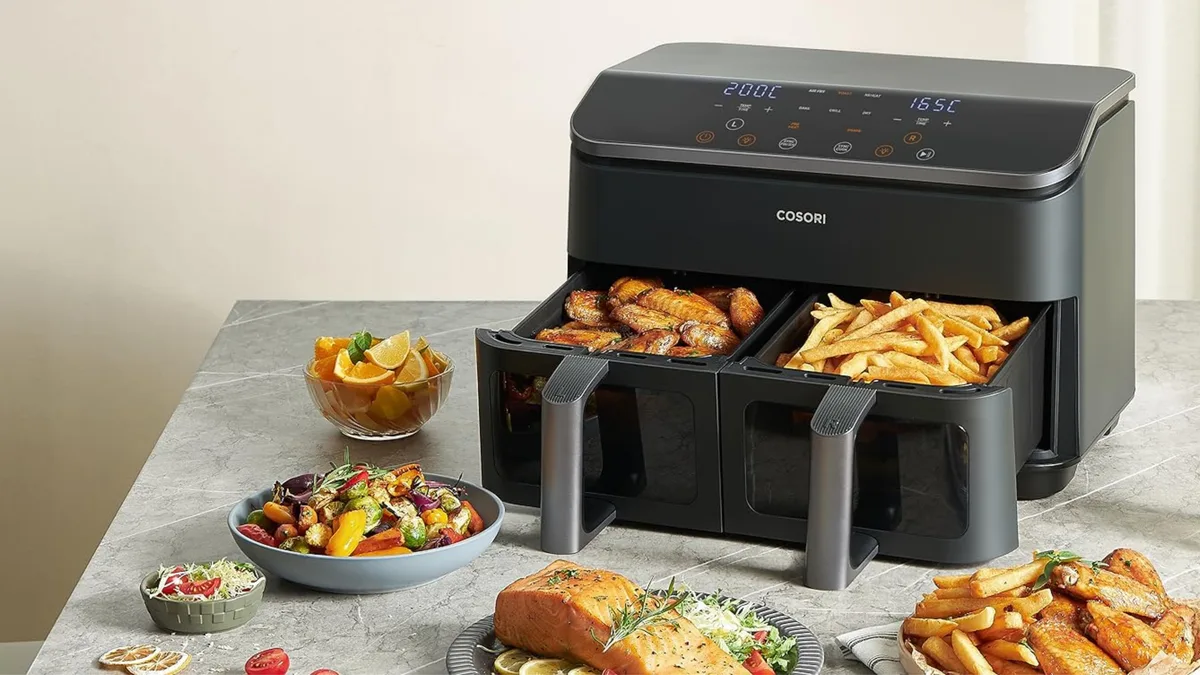
Timers fail because air fryers vary wildly in wattage and basket size. A 5-quart unit cooks faster than a large dual-basket model. Relying solely on minutes leads to inconsistent results.
Visual cues are universal across all brands. They tell you the truth about doneness.
You’re looking for specific color shifts. Pale pink means undercooked. Deep brown signals potential drying.
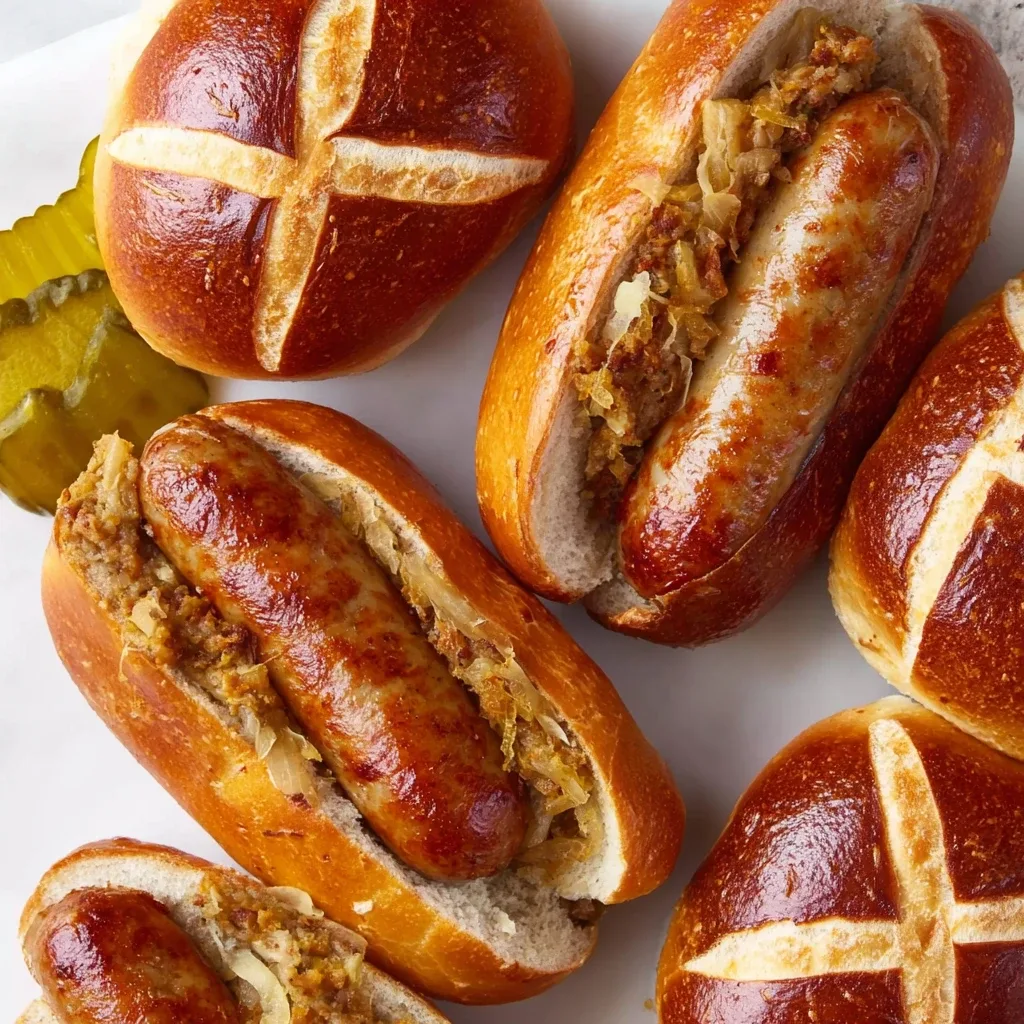
The sweet spot is a rich, even amber hue. This indicates proper fat rendering. The casing tightens without bursting.
Our research shows that sight beats time for precision. Watch the surface tension change. It goes from slack to taut.
That tension creates the "snap" everyone loves. Miss this window, and you lose texture.
Don’t ignore steam either. Heavy steam means moisture is escaping too fast. That leads to dry meat.
Light wisps are normal. Adjust your eye contact accordingly. This approach works for raw and pre-cooked sausages alike.
The Visual Checklist: Spotting Perfect Doneness vs. Disaster
Identifying readiness requires knowing three key stages. First is initial browning. Second is full color development.
Third is resting. Each has unique visual markers.
Start by checking the underside after four minutes. It should show light tan patches. Not dark char.
If it’s black, lower the heat next time. Flip gently. The top side will now face the element.
Watch for uniformity. Spotty cooking means overcrowding. Leave space between links.
Air needs to circulate freely. This ensures even crisping. No cold spots remain hidden underneath.
Finally, verify internal doneness safely. Insert a probe into the thickest part. Wait ten seconds for stability.
Read the number. It must hit 160°F for pork. Poultry brats need 165°F.
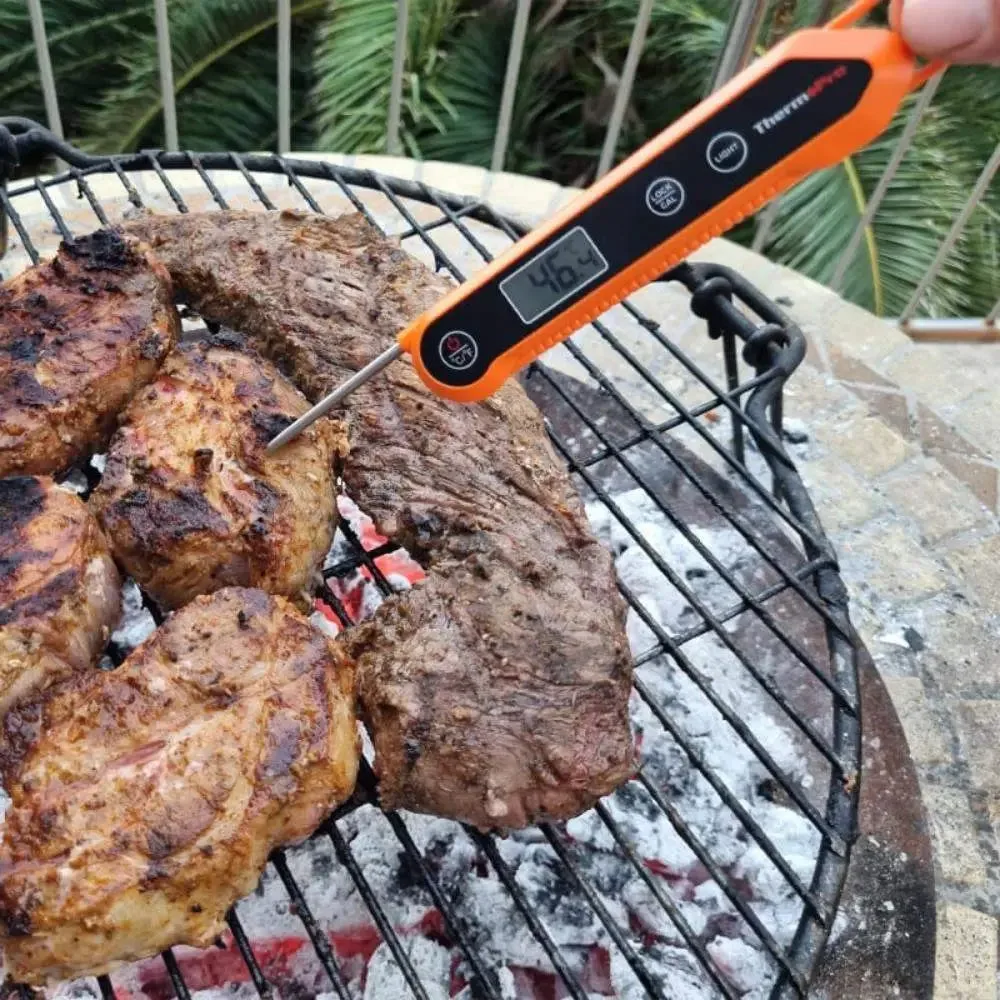
Color isn’t enough for safety. Always double-check with temperature. Visuals guide texture.
Thermometers guarantee safety. Combine both for best results. Never cut open early to check.
It leaks juices permanently.
Step-by-Step Air Fryer Bratwurst Workflow with Photo Cues
Preparation starts before the basket loads. Pat each sausage completely dry. Moisture prevents browning.
Water steams instead of fries. Use paper towels thoroughly.
Place links in a single layer. Do not stack them. Overlapping causes uneven cooking.
Gaps allow hot air flow. This mimics grill grates effectively. Spray lightly with avocado oil if desired.
It aids crisping but isn’t mandatory.
Set temperature to 375°F. Cook for five minutes initially. Pause.
Open the drawer carefully. Steam escapes rapidly. Check bottom color.
It should be golden. Flip each link using tongs.
Continue cooking for another three to five minutes. Monitor closely near the end. Colors deepen quickly.
Pull when they reach rich amber. Rest on a plate for two minutes. Juices redistribute during this pause.
Serve immediately for maximum crunch.
| Stage | Time (Approx.) | Visual Cue | Action |
|---|---|---|---|
| Prep | 0 min | Dry surface | Pat with towel |
| Initial Cook | 5 min | Light tan bottom | Flip links |
| Final Cook | 3-5 min | Rich amber all over | Remove & Rest |
| Serving | 2 min wait | Steady juice flow | Plate with toppings |
This workflow adapts to most standard units. Adjust times slightly for smaller baskets. Larger models may need extra minutes.
Always trust the color check first. Timing is secondary guidance only.
Troubleshooting Common Visual Failures (Bursts, Pale Skin, Dryness)
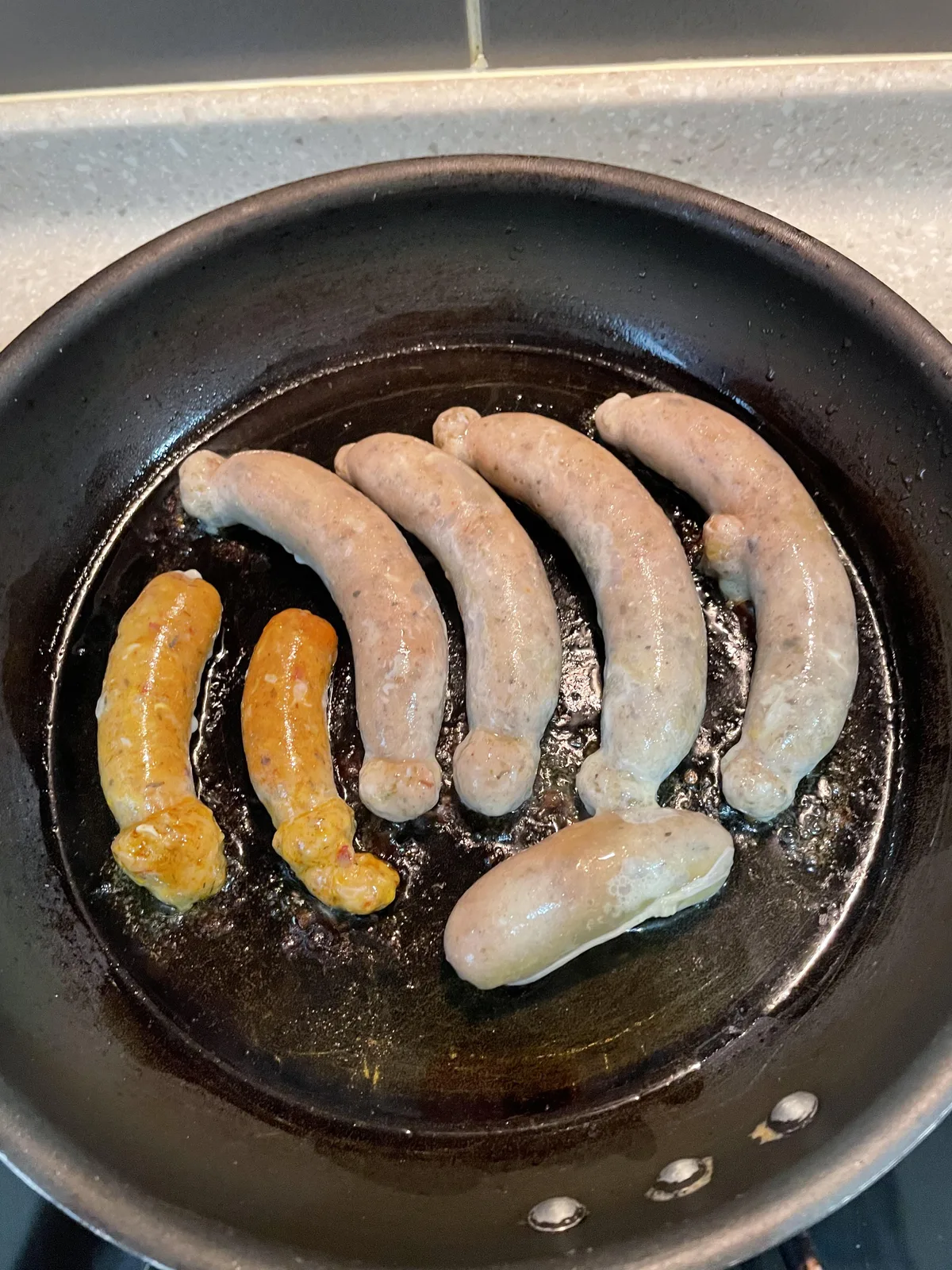
Burst casings look jagged and leaky. This happens from rapid steam buildup. Pricking helps rarely.
Better to control heat. Too high causes explosion. Lower temp to 360°F next batch.
Pale skin means insufficient Maillard reaction. Usually caused by wet surfaces. Or low airflow.
Dry sausages better. Space them further apart. Increase temp slightly.
Brown bits add flavor depth.
Dry, shriveled links indicate overcooking. Surface wrinkles deeply. Color turns dull gray-brown.
Meat feels tough. Reduce cook time by one minute. Check earlier.
Resting doesn’t fix dried-out protein. Prevention is key here.
Smoke alarms trigger from grease drip. Clean the bottom tray regularly. Fat accumulates fast.
Wipe after each use. Prevents burning residue. Keeps air circulation clear.
Fresh smell returns instantly.
Uneven browning suggests poor placement. Rotate the basket mid-cook. Shake gently.
Links shift positions. Expose new sides to heat. Ensures consistent color everywhere.
No pale patches remain hidden.
Adjusting for Variables: Raw vs. Pre-Cooked and Appliance Differences
Raw bratwurst needs more time. Start at 375°F. Cook 10-12 minutes total.
Internal temp must rise steadily. Pre-cooked varieties heat faster. Five to seven minutes suffice.
Focus on crisping, not cooking through.
Frozen links require thawing first. Ice crystals ruin texture. Steam bursts casings.
Thaw overnight in fridge. Then pat dry. Treat like fresh raw sausages.
Never cook frozen directly. Results suffer significantly.
Basket style affects airflow. Square baskets trap less heat. Round ones concentrate it.
Dual-basket units split power. Cook one side at a time for best crispiness. Simultaneous cooking halves intensity.
Adjust expectations accordingly.
Toaster oven hybrids behave differently. Heating elements sit closer. Top browns faster.
Bottom stays pale. Flip frequently. Every two minutes.
Prevents scorching tops. Maintains even doneness throughout.
Per USDA FSIS guidelines, always verify temps. Appliances age. Thermostats drift.
Calibration varies. Visual checks compensate for mechanical errors. Trust your eyes.
Confirm with probes. Stay safe and delicious.
Serving Suggestions That Complement the Crispy Texture
Pairing matters as much as cooking. The crisp casing demands contrast. Soft, tangy toppings balance the richness.
Sauerkraut cuts through the fat effectively. Its acidity refreshes the palate with every bite.
Mustard is non-negotiable for most fans. Spicy brown offers a sharp kick. Yellow mustard provides mild tanginess.
Both cling well to the textured surface. Avoid watery condiments that dilute flavor.
Onions add sweetness and crunch. Grill them alongside the brats. Or caramelize separately for depth.
Bell peppers bring color and freshness. They soften nicely in the residual heat.
Pretzel buns hold up better than soft rolls. Their sturdy structure prevents sogginess. Toast them lightly for extra texture.
This creates a cohesive eating experience. Every component plays its role perfectly.
Consider regional variations too. Midwest styles favor cheese curds. Northeast preferences lean toward apples.
These additions change the nutritional profile slightly. But they enhance satisfaction significantly. Choose based on your taste buds.
Don’t overcomplicate the assembly process. Simple combinations often work best here.
FAQ: Safety Temps, Cleaning Grease, and Storage
How do I know if my air fryer bratwurst is safe to eat?
Check the internal temperature first. Pork brats must reach 160°F. Poultry varieties need 165°F.
Use a digital meat thermometer. Insert it into the thickest part. Wait for the reading to stabilize.
Visual cues alone aren’t enough for safety. Always verify with a probe. This prevents foodborne illness risks.
Can I cook frozen bratwurst directly in the air fryer?
No, avoid cooking from frozen. Ice crystals damage the casing. Steam builds up rapidly inside.
This causes bursting and uneven cooking. Thaw sausages in the fridge overnight. Pat them dry before placing in basket.
Treat them like fresh links then. Results will be far superior this way.
How should I clean grease buildup after cooking?
Wipe the basket immediately after cooling. Hot grease sticks harder later. Use warm soapy water and a sponge.
For stubborn residue, soak briefly. Never use abrasive scrubbers on non-stick coatings. Check the bottom tray for pooled fat.
Empty it regularly to prevent smoke. Regular maintenance extends appliance life. Keep vents clear of debris too.
What is the best way to store leftover cooked bratwurst?
Refrigerate leftovers within two hours. Place them in an airtight container. They stay fresh for three to four days.
Reheat gently in the air fryer. Set temp to 320°F for five minutes. This restores crispness without drying out.
Freezing is possible but alters texture. Vacuum seal if you plan long-term storage. Quality declines slightly after thawing.

Similar Posts