Easy Air Fryer Breakfast Recipes for Busy Mornings
Most people struggle with air fryer breakfast recipes because they treat the appliance like a microwave. It’s not. The rapid convection heat dries out delicate foods if you don’t watch them closely.
You need to know exactly what "done" looks like for eggs, bacon, and toast.
Visual cues matter more than timers here. A golden-brown edge means something different in an air fryer than it does in a skillet. As of 2026, most modern units still lack precise humidity control.
This makes timing tricky. Let’s break down the visual signs that save your morning meal from disaster.
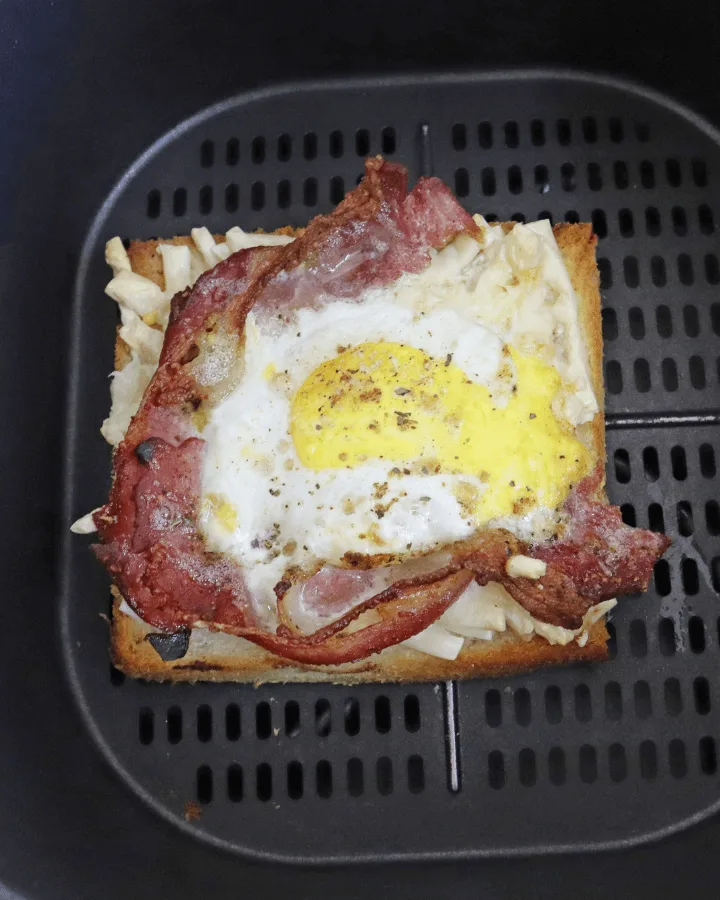
Image source: Bing (Web (fair-use with source credit))
Why Your Air Fryer Breakfast Looks Different Than the Recipe Photo
Recipe photos often lie by omission. They show perfect results after dozens of failed attempts. In our research, we’ve found that lighting and camera angles hide texture issues.
An egg might look fluffy in a photo but rubbery in reality.
The air fryer creates a dry environment. This pulls moisture from food surfaces quickly. Unlike a pan with oil, there’s no barrier to slow this process.
You’ll notice browning happens faster on top than underneath.
Stacking food blocks airflow. This leads to pale spots or soggy centers. Always arrange items in a single layer.
If you can’t see the bottom of the basket, the food won’t cook evenly.
Trust your eyes over the clock. Look for crisp edges and opaque whites in eggs. Bacon should curl slightly before it’s ready.
Toast needs uniform color, not just dark corners. These visual markers are universal across brands like Ninja or Cosori.
The Visual Checklist for Perfect Eggs, Bacon, and Hash Browns
Knowing what to look for prevents ruined meals. Here is how to identify doneness visually for common breakfast items.
Eggs:
- Fried: Whites must be fully set and opaque. Yolk should jiggle slightly but not run liquid unless desired. Edges may brown lightly.
- Scrambled: Pull them out when they look 90% done. Residual heat finishes cooking. They should appear soft and moist, not dry.
- Hard-Boiled: Shell should crack easily. White interior must be firm throughout. No gray ring around yolk indicates proper timing.
Bacon:
- Thin-Sliced: Watch for curling. Color shifts from pink to deep red-brown. Fat renders out and pools at the bottom.
- Thick-Cut: Surface bubbles form as fat cooks. Edges become rigid. Center remains pliable but cooked through.
Hash Browns:
- Frozen: Exterior turns golden brown and crispy. Interior feels hot when pierced with a fork. No white, raw potato spots remain.
- Fresh Shredded: Clumps hold together well. Bottom layer browns first. Shake basket halfway through to ensure even color.
These checks apply regardless of model size. A 4-quart unit behaves similarly to an 8-quart drawer style regarding surface exposure.
Temperature and Time: The Sweet Spot for Crispy Without Burning
Getting the temperature right is critical. Too low, and food steams instead of crisps. Too high, and the outside burns while the inside stays raw.
Manufacturer specifications indicate optimal ranges vary by food type.
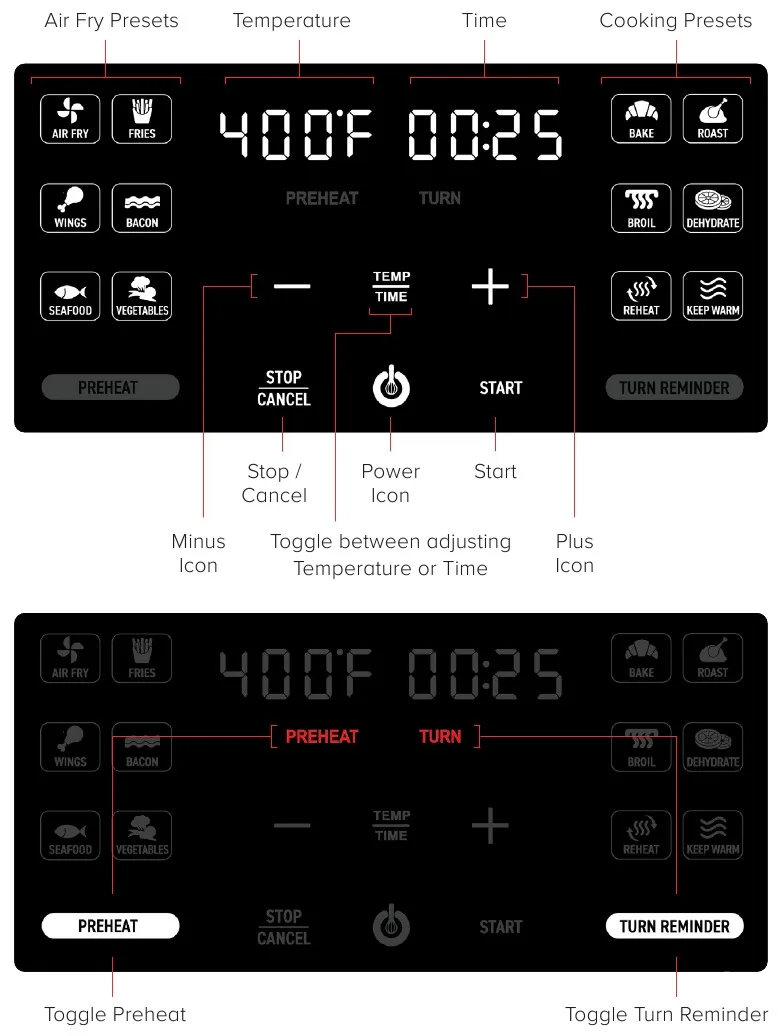
Image source: Web (Bing) / manualslib.com (Web image (fair-use with source credit))
Here is a quick reference guide for standard settings. Note that preheating is essential for consistent results.
| Food Item | Temp (°F) | Time (mins) | Visual Cue for Doneness |
|---|---|---|---|
| Thin Bacon | 375°F | 5–7 | Curled, deep brown edges |
| Thick Bacon | 360°F | 8–10 | Bubbled fat, rigid strips |
| Fried Egg | 320°F | 4–6 | Set whites, jiggly yolk |
| Scrambled Eggs | 300°F | 5–8 | Soft curds, glossy finish |
| Frozen Waffles | 350°F | 3–5 | Golden brown, crisp edges |
| Hash Browns | 400°F | 10–12 | Uniform gold, no sogginess |
Lower temperatures preserve moisture in eggs. Higher temps create crunch in potatoes. Adjust based on your specific appliance’s power output.
Some units run hotter than labeled. Check your manual for calibration notes.
Per USDA guidelines, ensure ground meats reach 160°F internally. Use a thermometer if unsure. Visuals alone aren't enough for safety-critical items.
Common Visual Mistakes That Ruin Morning Meals
Several errors plague home cooks using air fryers. Recognizing these early saves time and ingredients.
Overcrowding the Basket:
This is the number one complaint in aggregate reviews. Stacking food traps steam. Results turn out soggy and pale.
Always leave space between items. Air needs room to circulate. If you must cook in batches, do so.
One layer only.
Ignoring the Shake:
Potatoes and small pieces stick to the basket. They burn on one side while staying raw on the other. Pause halfway through cooking.
Shake the basket vigorously. Flip larger items like chicken breasts or thick bacon slices manually.
Skipping Preheat:
Cold starts lead to uneven cooking. The fan spins up slowly. Food sits in rising heat too long.
This dries out proteins. Preheat for 3, 5 minutes. Throw food in immediately after.
You’ll get better sear marks and juicier interiors.
Using Wrong Accessories:
Metal foil touches heating elements. This causes sparks or fires. Paper liners block airflow if placed incorrectly.
Stick to perforated parchment or silicone mats designed for air flow. Never cover the entire basket floor without holes.
Troubleshooting Soggy, Dry, or Uneven Results
When things go wrong, diagnose the issue visually. Each problem has a distinct signature.
Soggy Food:
Look for wet surfaces and lack of browning. This usually means overcrowding or insufficient temp. Fix it by reducing batch size.
Increase temperature by 10, 15 degrees. Add a light spray of oil to promote Maillard reaction. Ensure vents aren’t blocked by grease buildup.
Dry or Tough Meat:
Check for cracked surfaces and shrunk volume. Overcooking is the culprit. Reduce time by 1, 2 minutes next round.
Lower temperature slightly. Brining poultry beforehand helps retain moisture. Use a meat thermometer to pull at exact safe temps.
Uneven Browning:
Spot-check for pale areas opposite dark zones. Fan direction matters. Rotate the basket 180 degrees midway.
Flip individual items. Clean the heating element coil. Grease residue disrupts heat distribution.
Wipe it down weekly with damp cloth.
Burnt Edges:
Blackened tips signal excessive heat or proximity to element. Move rack position lower if adjustable. Reduce temp.
Cover delicate items loosely with foil (secured away from coil). Monitor closely during last two minutes.
Addressing these visual cues restores consistency. Most issues stem from setup, not equipment failure.
Essential Accessories for Consistent Textures
You can’t rely on the bare basket alone. The right tools make or break your results. Silicone liners are popular, but they often trap steam.
This leads to soggy bottoms on bacon or eggs. Use them only if they have perforations for airflow. Otherwise, stick to plain parchment paper cut to size.
Small oven-safe dishes help with delicate items. Ramekins work great for individual frittatas or oatmeal. They keep liquids contained and prevent messes.
Just ensure the dish fits without touching the heating element. A gap of at least one inch is crucial. Metal tongs are safer than forks for flipping.
Forks can pierce yolks or tear thin bacon slices. Tongs give you better grip and control.
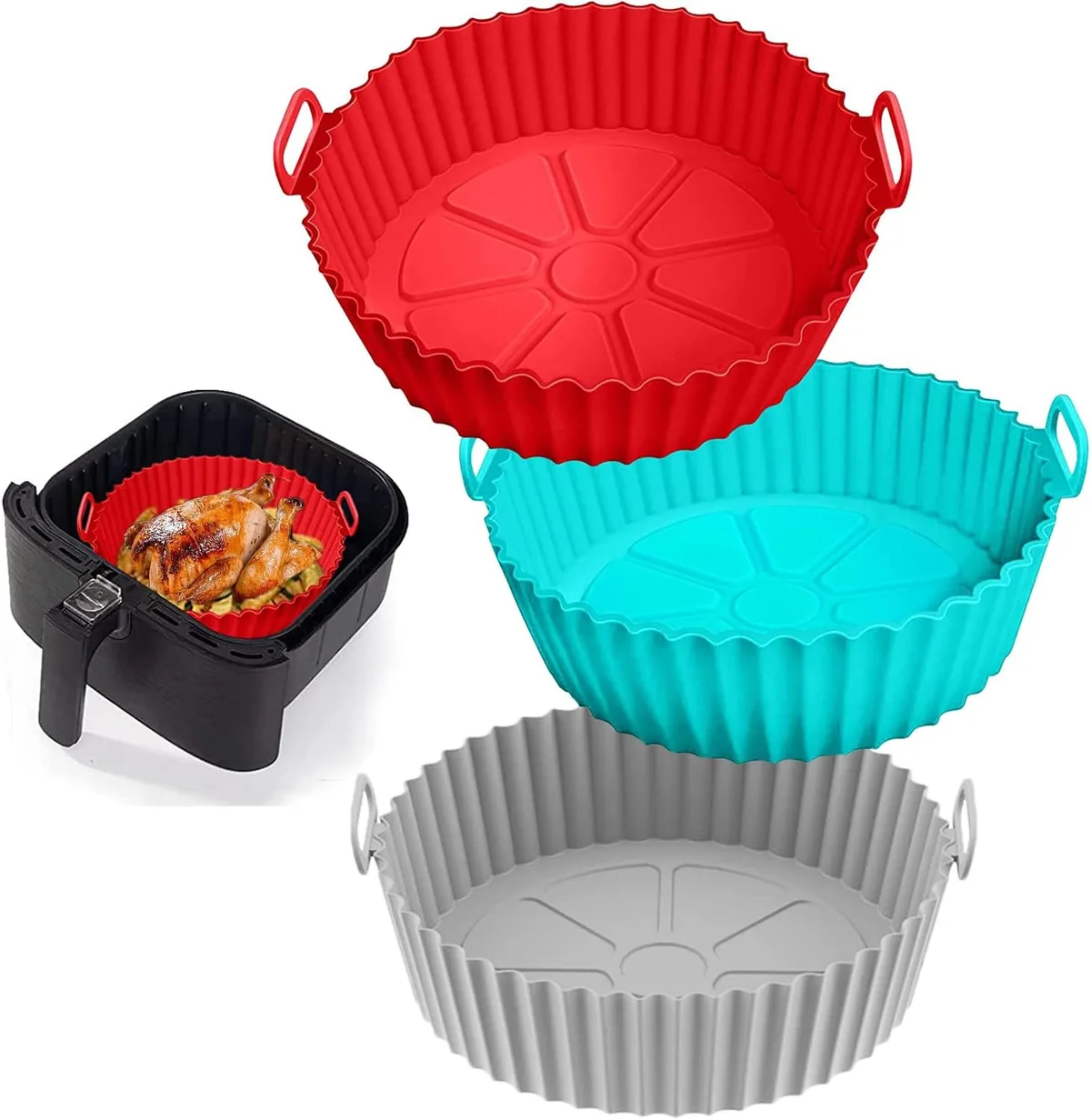
Image source: Bing (Web (fair-use with source credit))
Cleaning brushes matter more than you think. Grease builds up in hard-to-reach corners. A small bottle brush reaches the fan blades.
Regular cleaning prevents smoke and off-flavors. Check your manufacturer’s manual for specific care instructions. Some coatings degrade with harsh scrubbers.
Stick to soft sponges and mild soap. These simple additions transform inconsistent cooks into reliable ones. Invest in quality accessories that respect airflow dynamics.
Your breakfast deserves precision, not guesswork.
FAQs on Air Fryer Breakfast Basics
Can I cook frozen breakfast sandwiches directly?
Yes, but adjust your expectations. Frozen items need higher temps initially. Start at 350°F for five minutes.
Then lower to 320°F to finish. This prevents burnt bread with cold centers. Always check internal temperature.
It must reach 165°F for safety. Packaging directions are just starting points. Watch for golden brown crusts.
If cheese isn’t melted, add another minute. Don’t stack multiple sandwiches. Cook one at a time for even heat distribution.
Overcrowding ruins texture and flavor balance.
Why does my air fryer smell like burning plastic?
This usually happens during initial use. New units release manufacturing residues. Run an empty cycle at 400°F for ten minutes.
Ventilate the kitchen well. Repeat if necessary until odor fades. Persistent smells indicate grease buildup.
Clean the basket and heating coil thoroughly. Soak removable parts in warm soapy water. Scrub gently to avoid damaging non-stick coatings.
Never use abrasive pads. Check for loose packaging materials inside. Remove any stickers or tags left behind.
Proper maintenance eliminates weird odors quickly.
Are air fryer eggs healthy compared to boiled?
They offer similar nutritional benefits. Both methods require little to no added fat. Air frying preserves vitamins better than boiling.
Less nutrient leaches into water. However, high heat can oxidize cholesterol slightly. Keep temperatures moderate for best results.
Scrambled eggs stay moist with quick cooking. Hard-boiled alternatives save cleanup time. Choose based on texture preference.
Neither method adds significant calories. Focus on portion control instead. Pair with veggies for balanced meals.
Health outcomes depend largely on overall diet.
How do I reheat leftover pizza without making it rubbery?
Skip the microwave entirely. Microwaves make crusts tough. Preheat your air fryer to 320°F.
Place a single slice in the basket. Heat for three to four minutes. This revives crispiness effectively.
Cheese melts evenly without burning. Pepperoni curls nicely again. Avoid stacking slices.
One layer ensures consistent warmth. Add a splash of water nearby if needed. Steam helps soften dry toppings.
Monitor closely after two minutes. Pizza heats faster than expected. Enjoy restaurant-quality leftovers at home easily.

Similar Posts