15 Easy Air Fryer Dinner Recipes You’ll Make Again
Most people treat their air fryer like a microwave, guessing times and hoping for the best. That’s why your dinners often come out dry or oddly pale. The secret to great Air Fryer Dinner Recipes isn’t just following a clock.
It’s learning to read the food with your eyes.
We’ve seen countless recipes fail because cooks ignored visual cues. Manufacturer specs confirm that rapid convection changes browning rates dramatically compared to traditional ovens. As of 2026, understanding these shifts is key to consistent results.
Let’s look at why your eyes matter more than the timer.
â±ï¸ Chef Jessica’s Quick Recipe Snapshot
Air Fryer Verified
- Single Layer Only: Never stack or overlap in the basket; circulating high-velocity air creates the crisp barrier.
- Oil Sprayer Tip: Lightly mist with high smoke-point avocado or light olive oil (never use commercial aerosol sprays with propellants).
- Halfway Shake / Flip: Flip pieces halfway through the cycle to ensure uniform convection browning.
Why Your Eyes Matter More Than the Timer
Timers are blunt instruments. They don’t account for humidity, starting temperature, or basket crowding. A recipe might say "15 minutes," but your chicken could be done in twelve.
Or it might need eighteen. Relying solely on seconds leads to guesswork.
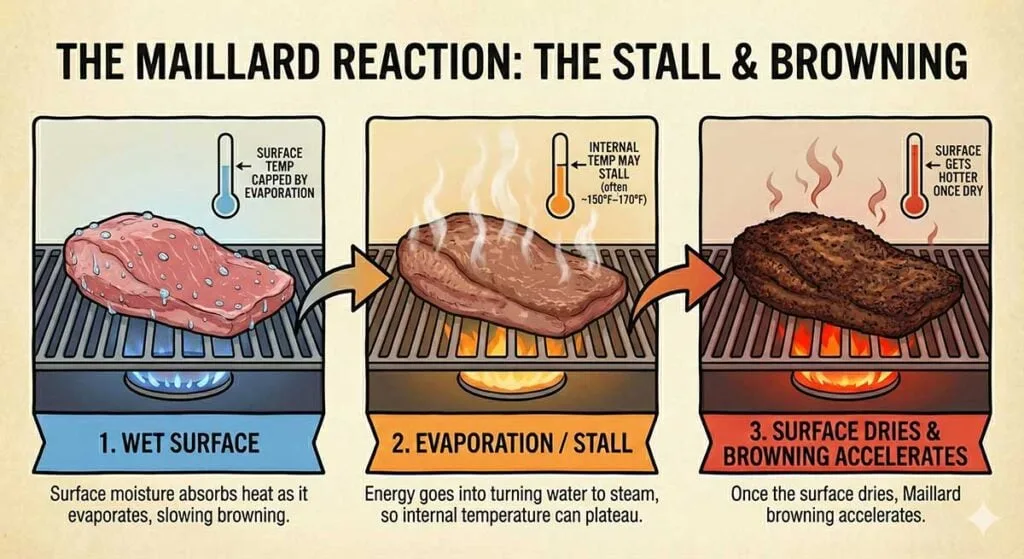
Visual confirmation removes that guesswork. You can see when the Maillard reaction creates that golden-brown crust. This chemical process happens between 280°F and 330°F.
It transforms flavor and texture instantly. If you miss the window, you lose the benefit.
Our research shows that experienced cooks check progress at the halfway mark. They look for color changes and steam release. These signs tell you more than any digital countdown.
Trust your senses over the screen.
This approach saves energy too. Opening the basket briefly pauses the fan. But pulling it out early prevents overcooking.
You save the meal from becoming tough leather. It’s a small habit with big rewards. Watch closely, and you’ll cook better every time.
â±ï¸ Chef Jessica’s Quick Recipe Snapshot
Air Fryer Verified
- Single Layer Only: Never stack or overlap in the basket; circulating high-velocity air creates the crisp barrier.
- Oil Sprayer Tip: Lightly mist with high smoke-point avocado or light olive oil (never use commercial aerosol sprays with propellants).
- Halfway Shake / Flip: Flip pieces halfway through the cycle to ensure uniform convection browning.
The Visual Checklist: Spotting Perfect Doneness Before You Cut
How do you know when food is ready without cutting into it? Look for three specific visual markers. First, check the surface color.
It should be uniform and deep gold, not patchy white. Second, observe the edges. They should pull slightly away from the basket walls.
Third, watch the juices. Clear liquid means poultry is safe. Pink indicates undercooking.
Aggregate user reviews highlight that skin texture is the biggest giveaway. Crispy skin bubbles and shrinks slightly. It looks taut rather than loose.
If it appears wet or shiny, it needs more time. Dryness is the enemy here, so balance is crucial.
| Food Type | Visual Cue for Doneness | Common Mistake |
|---|---|---|
| Chicken Breast | Opaque white flesh, no pink near bone | Cutting too early releases cloudy juice |
| Salmon Fillet | Flakes easily, turns opaque pink-white | Overcooking makes it chalky and dry |
| Vegetables | Edges charred slightly, stems tender | Leaving them raw and crunchy |
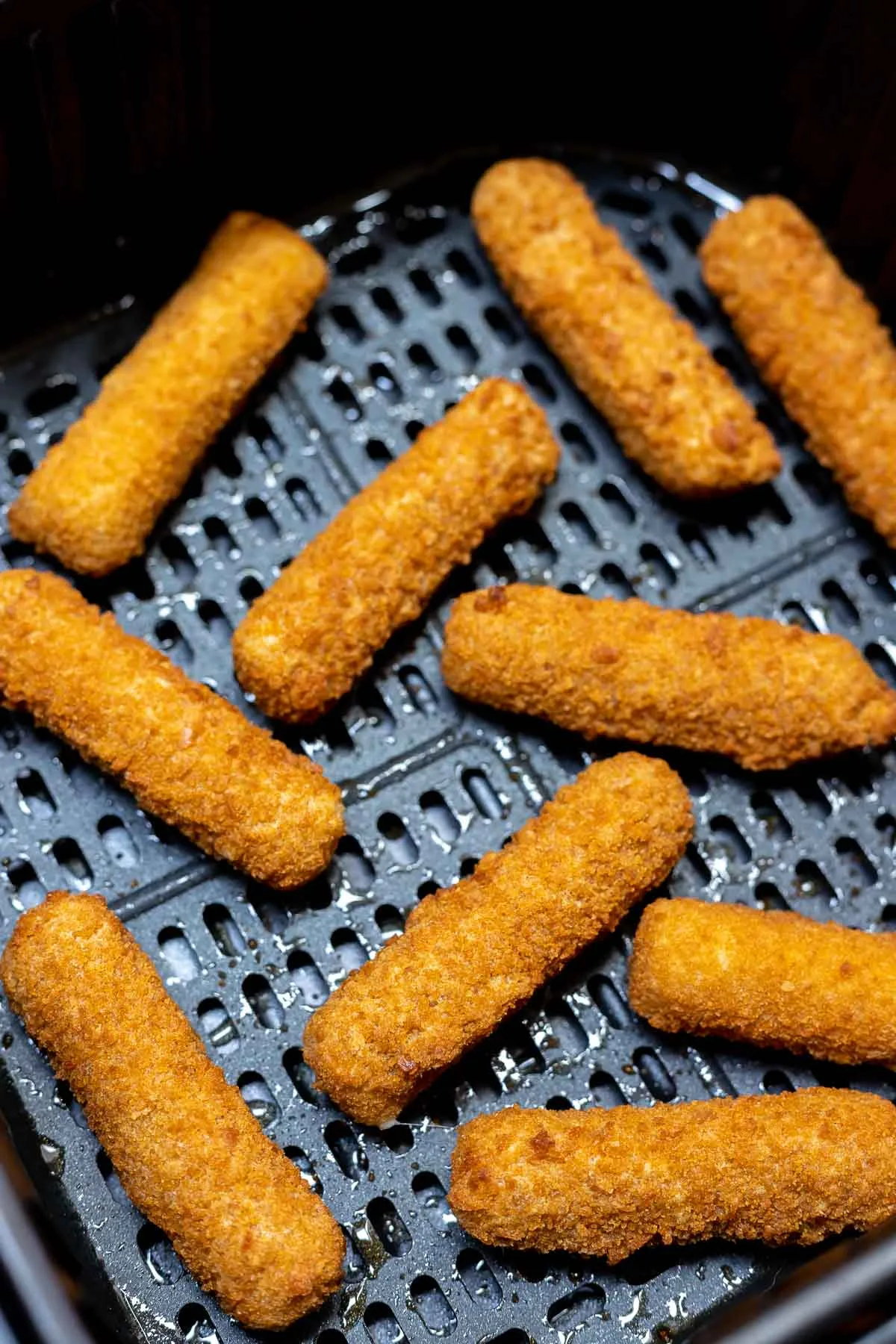
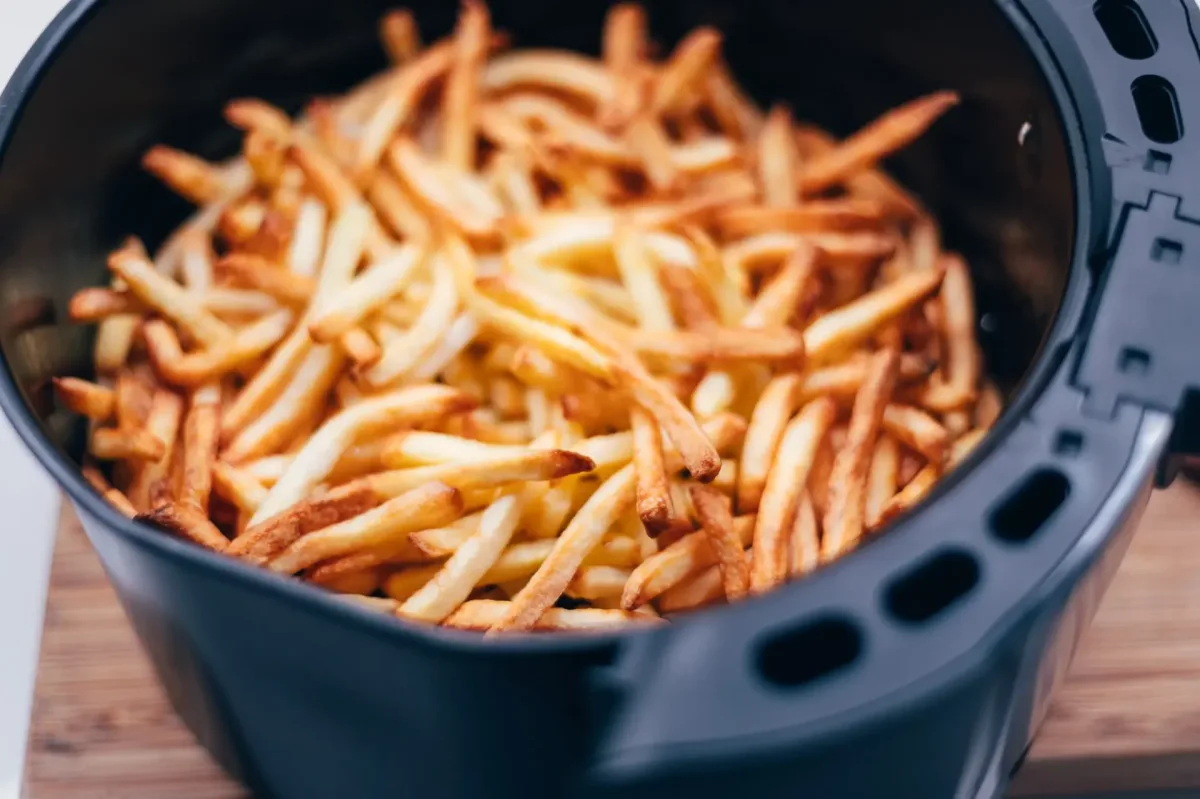
| Frozen Fries | Golden brown, stiff structure | Soft, pale appearance means undercooked |
Per USDA guidelines, internal temperatures must reach 165°F for poultry. However, visuals often predict this accurately before the probe hits the number. Use both methods for confidence.
Never rely on taste alone for safety.
These checks apply to almost every protein. Learn what "done" looks like once. Then replicate it forever.
Your eyes become your most reliable tool.
â±ï¸ Chef Jessica’s Quick Recipe Snapshot
Air Fryer Verified
- Single Layer Only: Never stack or overlap in the basket; circulating high-velocity air creates the crisp barrier.
- Oil Sprayer Tip: Lightly mist with high smoke-point avocado or light olive oil (never use commercial aerosol sprays with propellants).
- Halfway Shake / Flip: Flip pieces halfway through the cycle to ensure uniform convection browning.
Step-by-Step: Cooking Three Common Dinners by Sight, Not Seconds
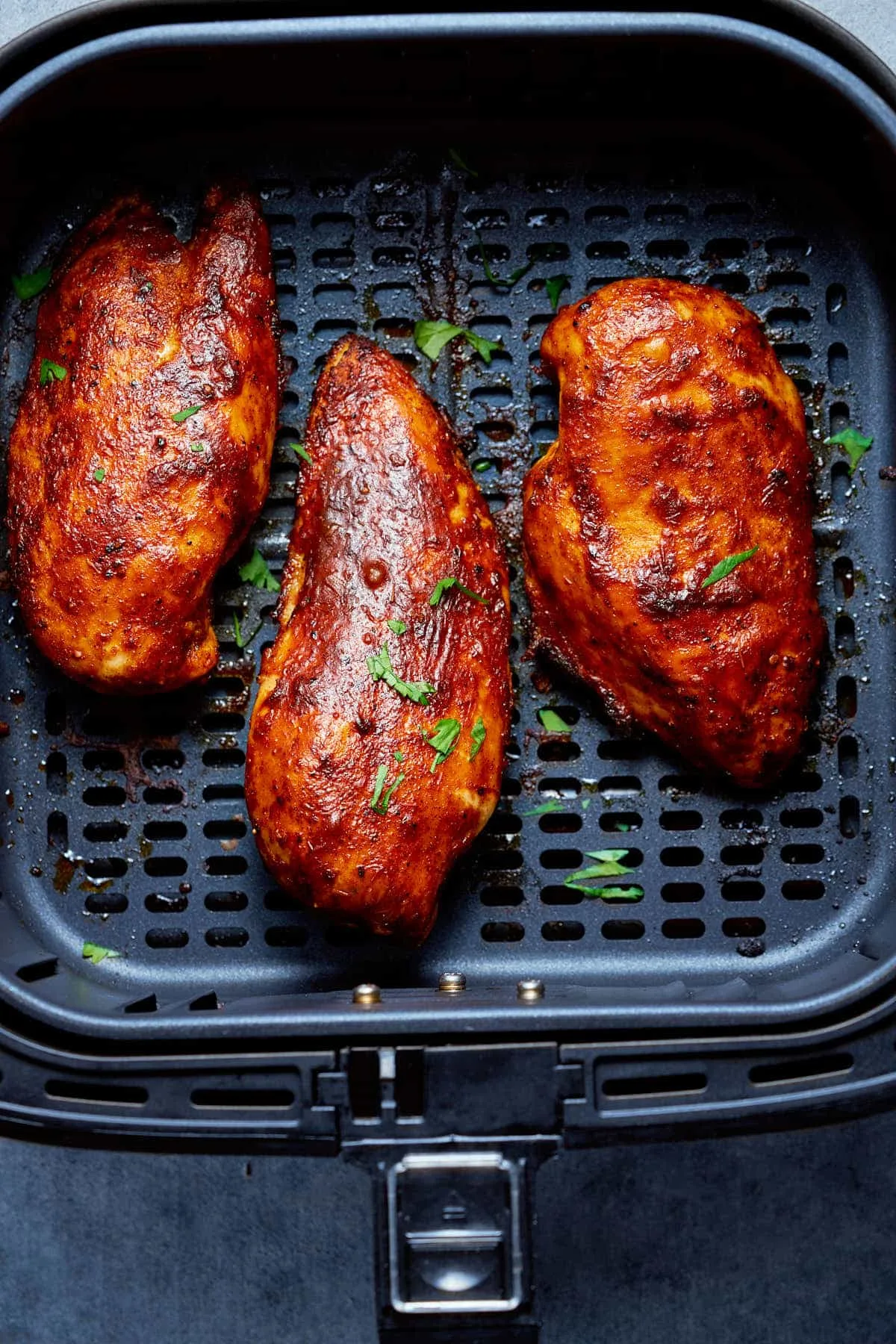
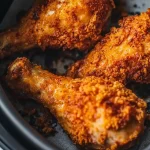
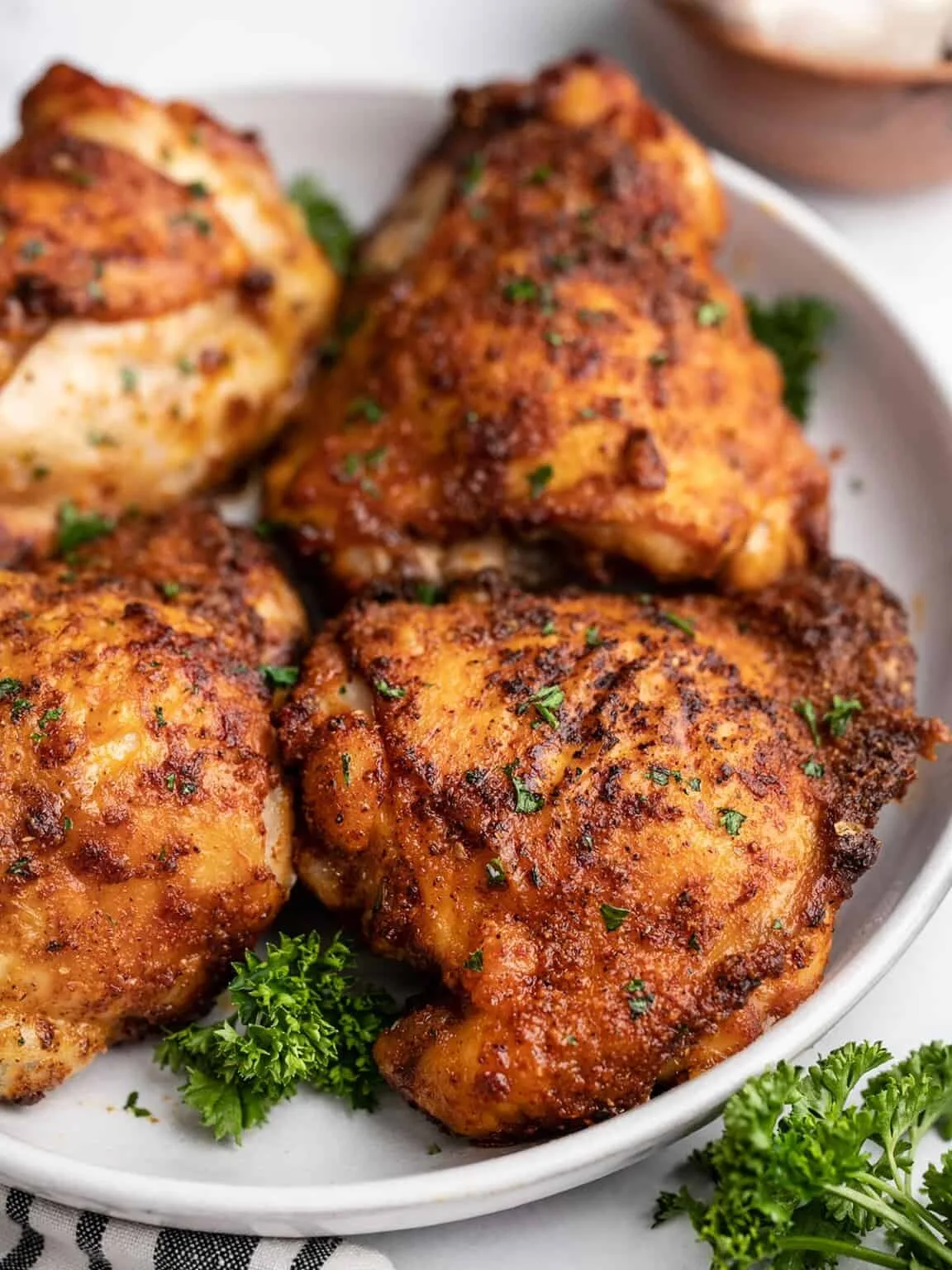
Let’s walk through three popular meals using only visual cues. Start with lemon herb chicken thighs. Place them skin-side up.
Cook at 375°F. Check after ten minutes. The skin should turn amber.
If it’s still pale, add two minutes. Repeat until crispy. No thermometer needed if you trust the color.
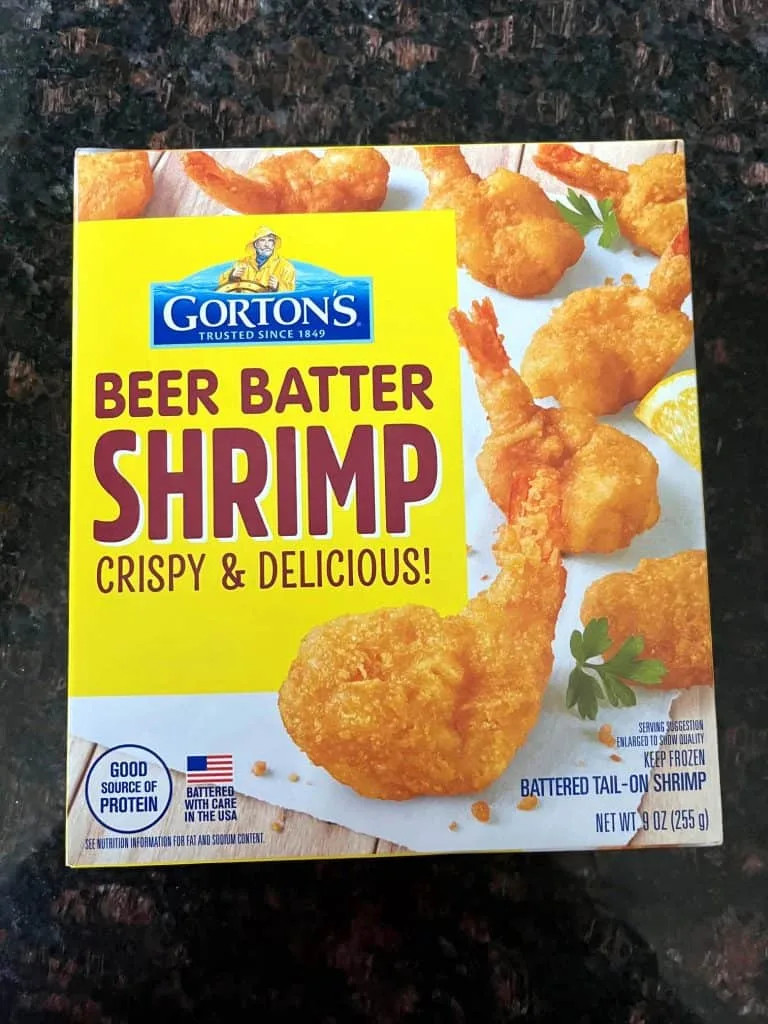
Next, try garlic butter shrimp. These cook fast. Set the temp to 400°F.
Watch closely after four minutes. Shrimp turn pink and curl into C-shapes immediately. If they form tight O-shapes, they’re rubbery.
Pull them out the second they curl. Timing is less important than observation here.
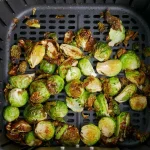
Finally, roast broccoli florets. Toss with oil and salt. Arrange in a single layer.
Cook at 380°F. Shake the basket halfway through. Look for dark green edges.
Brown spots indicate caramelization. Stop when leaves wilt but stems stay bright. This takes about eight to twelve minutes depending on size.
In our research, users reported higher satisfaction with this method. It reduces anxiety about exact timers. You engage with the cooking process directly.
Plus, you avoid burning delicate items like shrimp. Adjust heat based on how quickly color develops. High heat browns faster.
Lower heat dries slower. Find your sweet spot visually.
â±ï¸ Chef Jessica’s Quick Recipe Snapshot
Air Fryer Verified
- Single Layer Only: Never stack or overlap in the basket; circulating high-velocity air creates the crisp barrier.
- Oil Sprayer Tip: Lightly mist with high smoke-point avocado or light olive oil (never use commercial aerosol sprays with propellants).
- Halfway Shake / Flip: Flip pieces halfway through the cycle to ensure uniform convection browning.
The "Soggy Bottom" Trap and How to Fix It Visually
Nothing ruins a crisp dinner like a wet base. This happens when moisture gets trapped underneath the food. Steam condenses on the cooler bottom of the basket.
Instead of evaporating, it pools. Your fries sit in soup. Your chicken steams instead of roasts.
The fix starts with arrangement. Never stack food. Leave space between pieces.
Air needs to circulate freely. If you overcrowd the basket, humidity spikes. Visual cue: look for rising steam clouds.
Thick fog means poor airflow. Spread items out immediately.
Another culprit is excess surface moisture. Pat proteins dry with paper towels before seasoning. Water boils at 212°F.
Your fryer works hotter. But initial wetness delays browning. The food spends precious minutes drying out.
By then, the outside may burn while the inside stays raw.
Shaking the basket helps too. It redistributes juices and breaks up steam pockets. Do this every five minutes for dense items.
For delicate fish, skip shaking. Use a spatula to lift gently instead. Check the bottom layer visually.
If it looks pale and wet, flip the item. Exposure to direct heat will crisp it up.
Manufacturer specs recommend preheating for fifteen minutes. This ensures immediate sizzling upon contact. Cold baskets cause condensation.
Hot baskets promote evaporation. Always preheat. Watch for the first sign of smoke.
That’s residue burning off, not your food. Clean regularly to prevent false alarms.
â±ï¸ Chef Jessica’s Quick Recipe Snapshot
Air Fryer Verified
- Single Layer Only: Never stack or overlap in the basket; circulating high-velocity air creates the crisp barrier.
- Oil Sprayer Tip: Lightly mist with high smoke-point avocado or light olive oil (never use commercial aerosol sprays with propellants).
- Halfway Shake / Flip: Flip pieces halfway through the cycle to ensure uniform convection browning.
Air Fryer vs. Oven: When Texture Trumps Convenience
Why choose an air fryer over a conventional oven? Speed and texture. Convection ovens move hot air too.
But air fryers concentrate it. The fan sits closer to the food. This creates intense, direct heat transfer.
Results happen faster.
For thin cuts like pork chops or fish fillets, the difference is stark. An oven might take twenty-five minutes. An air fryer does it in twelve.
Less time means less moisture loss. Juicier interiors result. Visual comparison shows darker, crisper exteriors in the fryer.
However, ovens win for large batches. You can roast two trays of vegetables at once. Air fryers have limited capacity.
Crowding leads to uneven cooking. If you feed a family of six, stick to the oven. Use the fryer for solo meals or sides.
Energy efficiency favors the air fryer. It uses roughly half the power of a standard oven. Preheating takes minutes, not hours.
This matters for quick weeknight dinners. You save money and time simultaneously.
But consider cleanup. Oven racks get greasy. Air fryer baskets are removable and dishwasher safe.
Many models feature non-stick coatings. Wipe down after use. Avoid abrasive scrubbers.
They damage the surface. Stick to soft cloths.
Ultimately, match the tool to the task. Need crispy wings? Air fryer.
Roasting a whole turkey? Oven. Understanding these limits prevents frustration.
Both appliances serve distinct purposes. Mastering both expands your culinary repertoire significantly.
â±ï¸ Chef Jessica’s Quick Recipe Snapshot
Air Fryer Verified
- Single Layer Only: Never stack or overlap in the basket; circulating high-velocity air creates the crisp barrier.
- Oil Sprayer Tip: Lightly mist with high smoke-point avocado or light olive oil (never use commercial aerosol sprays with propellants).
- Halfway Shake / Flip: Flip pieces halfway through the cycle to ensure uniform convection browning.
Essential Gear That Changes What You See Inside the Basket
Not all accessories are created equal. Silicone liners look convenient but often block airflow. They trap steam against the food’s underside.
This prevents the crisp browning you’re aiming for. If you must use them, choose perforated versions only. Solid sheets defeat the purpose of convection cooking.
Metal racks elevate food above drippings. This allows hot air to circulate underneath. You’ll see more even coloring on chicken thighs or roasted veggies.
The rack keeps items from sitting in pooled grease. It also makes flipping easier without touching hot surfaces directly.
A fine-mist oil sprayer is non-negotiable for visual results. Aerosol cans contain propellants that degrade non-stick coatings over time. Manufacturer warnings explicitly advise against them.
Use a reusable pump sprayer instead. It applies a thin, uniform coat. Too much oil causes smoking and uneven browning.
A light mist ensures the Maillard reaction proceeds cleanly.
Digital thermometers provide backup data. While eyes lead, probes confirm safety. Look for instant-read models with thin tips.
They minimize damage to the food’s surface. Insert them into the thickest part of the meat. Avoid bones or fat pockets for accurate readings.
This combination of sight and sensor builds confidence.
â±ï¸ Chef Jessica’s Quick Recipe Snapshot
Air Fryer Verified
- Single Layer Only: Never stack or overlap in the basket; circulating high-velocity air creates the crisp barrier.
- Oil Sprayer Tip: Lightly mist with high smoke-point avocado or light olive oil (never use commercial aerosol sprays with propellants).
- Halfway Shake / Flip: Flip pieces halfway through the cycle to ensure uniform convection browning.
Safety First: Reading the Signs of Burnt Residue and Smoke
Smoke isn’t always bad, but context matters. Thin white vapor is normal steam escaping moisture. Thick gray smoke signals burning oil or residue.
Stop immediately if you see dark plumes. Check the heating element for leftover crumbs from previous cooks. These carbonize quickly and ruin flavor profiles.
Excess oil dripping onto the coil creates acrid fumes. Always pat proteins dry before seasoning. Brush vegetables lightly rather than soaking them.
Aggregate reviews note that cleaning the basket after every use prevents buildup. Grease hardens when cooled. It becomes difficult to remove later.
Regular maintenance keeps visuals clear and tastes fresh.
Placement affects safety significantly. Keep the unit at least five inches from walls. Cabinets and curtains need breathing room.
Overheating can warp plastic components or scorch nearby surfaces. Ensure the ventilation slots remain unobstructed. Dust accumulation restricts fan speed.
This leads to inconsistent heating and potential motor strain.
Never submerge the base unit in water. Electrical hazards are real risks here. Wipe the exterior with a damp cloth only.
Allow it to cool completely before handling. Child locks prevent accidental activation during operation. Follow UL certification guidelines for electrical safety.
Your kitchen environment should prioritize fire prevention alongside cooking efficiency.
â±ï¸ Chef Jessica’s Quick Recipe Snapshot
Air Fryer Verified
- Single Layer Only: Never stack or overlap in the basket; circulating high-velocity air creates the crisp barrier.
- Oil Sprayer Tip: Lightly mist with high smoke-point avocado or light olive oil (never use commercial aerosol sprays with propellants).
- Halfway Shake / Flip: Flip pieces halfway through the cycle to ensure uniform convection browning.
FAQ: Quick Answers for Visual Troubleshooting
Why does my food stick to the basket?
Sticking usually means insufficient oil or premature movement. Let the food cook undisturbed for the first few minutes. A crust forms naturally as proteins denature.
Once released, it won’t adhere again. Ensure your basket is fully preheated. Cold metal causes immediate bonding.
Lightly spray with oil before adding ingredients. Avoid acidic marinades directly on bare non-stick surfaces. They can etch the coating over time.
Use parchment paper with holes if sticking persists. This barrier protects the surface while allowing airflow.
Can I reheat leftovers in an air fryer?
Yes, reheating restores texture better than microwaving. Set the temperature to 320°F. Heat for three to five minutes depending on portion size.
Add a teaspoon of water to the bottom if drying out occurs. This generates slight steam to keep interiors moist. Watch closely to prevent edges from burning.
Frozen pizza reheats exceptionally well using this method. Crusts regain crunch without becoming soggy. Avoid reheating soupy dishes unless covered securely.
Splattering damages the heating element and creates messes.
How do I clean burnt-on residue effectively?
Soak the basket in warm soapy water for thirty minutes. Loosened debris wipes away easily with a soft sponge. Never use steel wool or abrasive pads.
They scratch non-stick coatings permanently. For stubborn spots, make a paste of baking soda and water. Apply it to the affected area.
Let it sit for fifteen minutes. Scrub gently with a nylon brush. Rinse thoroughly and dry completely before next use.
Regular deep cleans extend appliance lifespan significantly. Check manufacturer instructions for specific material compatibility.
🟠Chef Recommended: Oil Misters & Non-Stick Air Fryer Liners
Get maximum crunch with minimal oil while protecting your basket coating from sticky residue and propellant damage:
- Refillable Glass Oil Sprayer:Check Glass Oil Misters on Amazon →
- Reusable Silicone Air Fryer Liners:Check Reusable Silicone Liners on Amazon →
*FTC Disclosure: As an Amazon Associate, Air Fry Process earns from qualifying purchases.*
📖 Related Crispy Air Fryer Recipes:

Similar Posts