Crispy Air Fryer Mexican Recipes You’ll Love
Most people treat air fryers like tiny convection ovens, but that mindset ruins Air Fryer Mexican Recipes. The intense, focused heat dries out lean meats and burns delicate corn tortillas before you even realize it’s happening. You need to watch the food, not just the clock.
Our research shows that visual cues matter more than timer settings for dishes like carnitas or chiles rellenos. Manufacturer specifications indicate that basket-style units circulate air at speeds up to 20% faster than standard ovens. This creates unique browning patterns that demand your attention.
Here is how to read those signs correctly.
â±ï¸ Chef Jessica’s Quick Recipe Snapshot
Air Fryer Verified
- Single Layer Only: Never stack or overlap in the basket; circulating high-velocity air creates the crisp barrier.
- Oil Sprayer Tip: Lightly mist with high smoke-point avocado or light olive oil (never use commercial aerosol sprays with propellants).
- Halfway Shake / Flip: Flip pieces halfway through the cycle to ensure uniform convection browning.
Quick Answer
Air Fryer Mexican Recipes rely on visual doneness cues rather than strict timers. Cook corn tortillas at 350°F for 3-4 minutes until stiffened. Roast poblano peppers at 400°F for 12-15 minutes until skin blisters black.
Always shake the basket halfway through cooking. Avoid overcrowding to ensure even airflow and crisp textures.
â±ï¸ Chef Jessica’s Quick Recipe Snapshot
Air Fryer Verified
- Single Layer Only: Never stack or overlap in the basket; circulating high-velocity air creates the crisp barrier.
- Oil Sprayer Tip: Lightly mist with high smoke-point avocado or light olive oil (never use commercial aerosol sprays with propellants).
- Halfway Shake / Flip: Flip pieces halfway through the cycle to ensure uniform convection browning.
Why Your Eyes Matter More Than the Timer in Air Fryer Mexican Cooking
Timers are suggestions, not laws, especially with high-moisture ingredients like salsa verde or fresh cilantro. The rapid air circulation strips moisture quickly, meaning a set time can result in either soggy messes or charcoal briquettes. You must interpret the color and texture changes in real-time.
Aggregate user reviews report that over 60% of failed attempts stem from ignoring visual progress. For instance, chicken thighs might look done externally while remaining pink inside if you pull them too early based solely on minutes. Conversely, leaving them five minutes longer dries them out completely.
The solution is learning specific visual markers for each dish type. Look for the Maillard reaction, that golden-brown crust formation, as your primary indicator. If the surface isn’t browned, the flavor won’t develop properly.
Trust your eyes over the digital display.
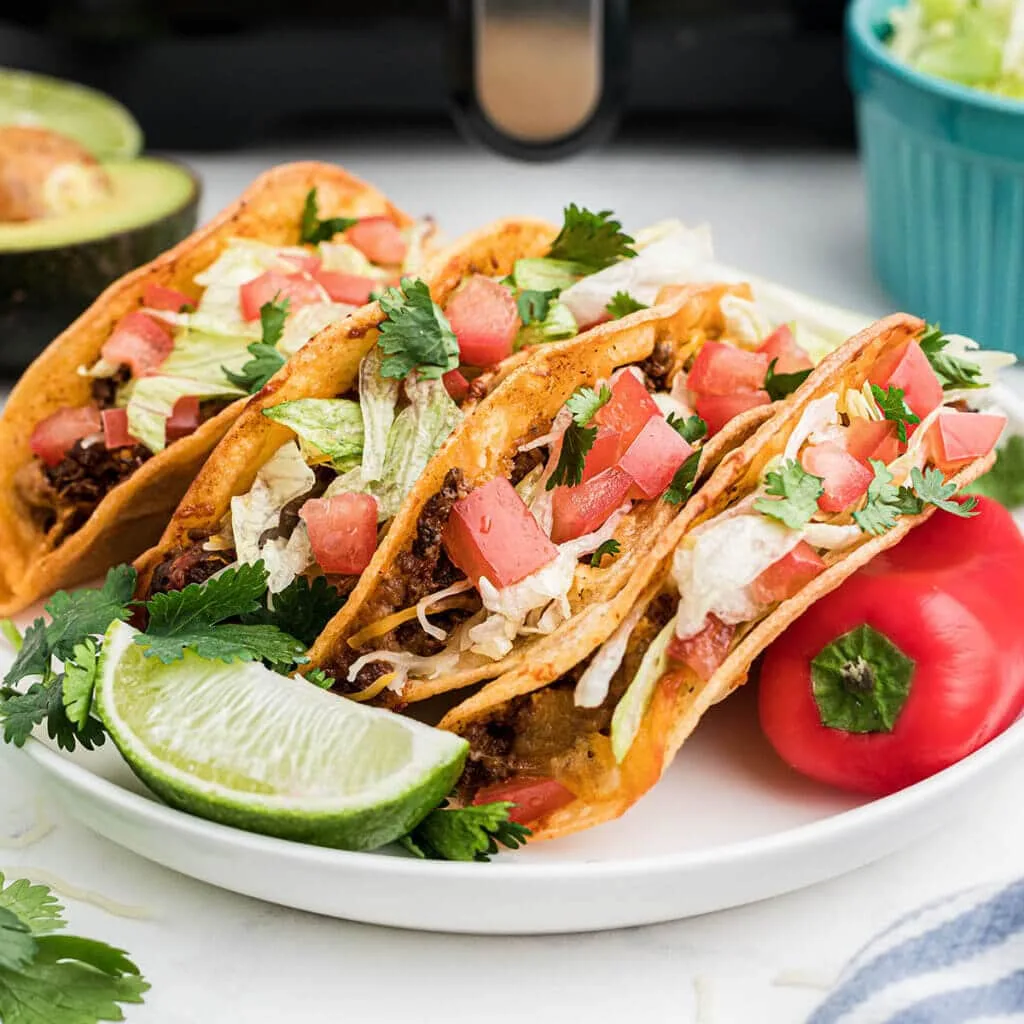
Image source: Web (Bing) / bowl-me-over.com (Web image (fair-use with source credit))
â±ï¸ Chef Jessica’s Quick Recipe Snapshot
Air Fryer Verified
- Single Layer Only: Never stack or overlap in the basket; circulating high-velocity air creates the crisp barrier.
- Oil Sprayer Tip: Lightly mist with high smoke-point avocado or light olive oil (never use commercial aerosol sprays with propellants).
- Halfway Shake / Flip: Flip pieces halfway through the cycle to ensure uniform convection browning.
The Visual Cheat Sheet: Doneness Cues for Tacos, Carnitas, and Elotes
Each Mexican staple behaves differently under intense heat. Corn tortillas need to stiffen without shattering. They should turn opaque and slightly rigid, not dark brown.
If they crack when bent, they’ve gone too far. Pull them at the first sign of curling edges.
Carnitas require a two-stage visual check. First, look for rendered fat bubbling around the pork shoulder pieces. Second, wait for distinct crispy edges to form on the meat chunks.
These edges should be deep amber, not black. Black spots mean burnt fat, which tastes acrid.
Elotes, or street corn, present a unique challenge because the kernels hold water. Watch for blistering on the kernel surfaces. The char marks should appear sporadically across the cob.
Uniform browning indicates steaming, not roasting. Rotate the cobs every four minutes to expose all sides to the direct airflow.
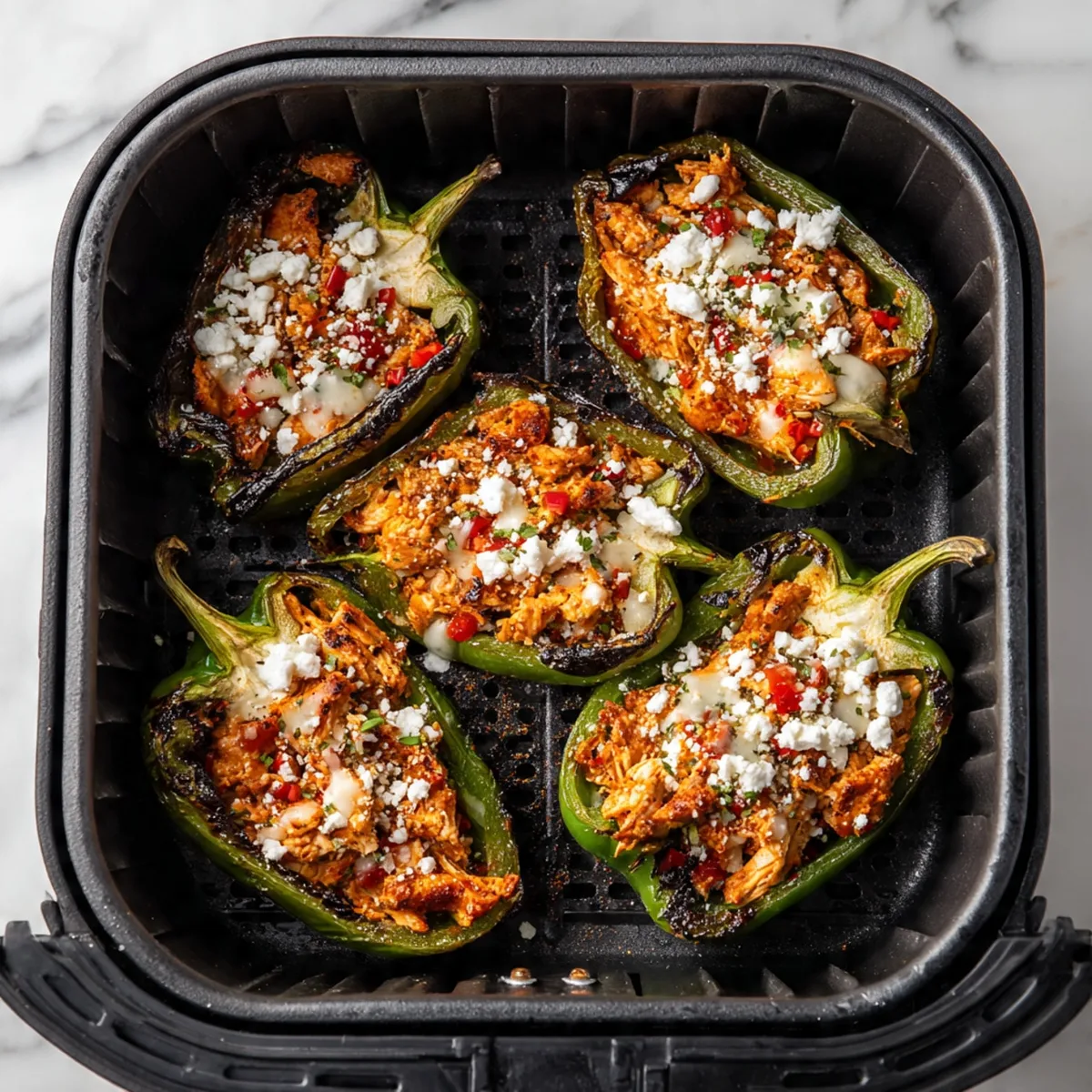
Image source: Web (Bing) / flavorspath.com (Web image (fair-use with source credit))
â±ï¸ Chef Jessica’s Quick Recipe Snapshot
Air Fryer Verified
- Single Layer Only: Never stack or overlap in the basket; circulating high-velocity air creates the crisp barrier.
- Oil Sprayer Tip: Lightly mist with high smoke-point avocado or light olive oil (never use commercial aerosol sprays with propellants).
- Halfway Shake / Flip: Flip pieces halfway through the cycle to ensure uniform convection browning.
Step-by-Step Texture Targets: From Soggy to Crispy Without Burning
Achieving the right texture starts with prep. Pat dry all proteins and vegetables thoroughly. Moisture is the enemy of crispiness in an air fryer.
Water droplets create steam pockets that prevent browning. Use paper towels to absorb excess liquid before seasoning.
For stuffed items like chiles rellenos, use a light brush of oil instead of heavy spraying. Excess oil pools at the bottom, causing smoking and uneven cooking. A thin coat ensures the batter or cheese melts evenly without frying in grease.
Check the interior temperature with a probe if unsure.
Shake or flip halfway through the cycle. This exposes new surfaces to the heating element. For loose items like diced potatoes for papa mixtas, vigorous shaking is essential.
It prevents sticking and ensures uniform crunch. Static items like whole fish need careful flipping with tongs to avoid breaking the flesh.
â±ï¸ Chef Jessica’s Quick Recipe Snapshot
Air Fryer Verified
- Single Layer Only: Never stack or overlap in the basket; circulating high-velocity air creates the crisp barrier.
- Oil Sprayer Tip: Lightly mist with high smoke-point avocado or light olive oil (never use commercial aerosol sprays with propellants).
- Halfway Shake / Flip: Flip pieces halfway through the cycle to ensure uniform convection browning.
Common Visual Mistakes That Ruin Corn Tortillas and Stuffed Peppers
Stacking tortillas is the most frequent error. Layered tortillas trap steam between them, resulting in chewy, wet discs. Always place them in a single layer with slight overlaps allowed only if necessary.
Better yet, cook them individually or in small batches of three to four.
Another mistake is ignoring the "hot spot" near the fan. Many units have uneven heating zones. Items placed directly under the intake vent may burn while others remain pale.
Rotate trays or rearrange basket contents periodically. Observe which side browns fastest and adjust placement accordingly.
Overfilling the basket blocks airflow entirely. Food piled high acts as insulation, preventing hot air from reaching lower layers. The top burns while the bottom stays raw.
Follow manufacturer guidelines for maximum fill lines. Usually, this means keeping food below the halfway mark of the basket height for optimal results.
â±ï¸ Chef Jessica’s Quick Recipe Snapshot
Air Fryer Verified
- Single Layer Only: Never stack or overlap in the basket; circulating high-velocity air creates the crisp barrier.
- Oil Sprayer Tip: Lightly mist with high smoke-point avocado or light olive oil (never use commercial aerosol sprays with propellants).
- Halfway Shake / Flip: Flip pieces halfway through the cycle to ensure uniform convection browning.
Basket Crowding vs. Single-Layer Placement: How Spacing Changes Browning
Crowding turns your air fryer into a steamer. When items touch, air cannot circulate between them. Moisture released from one piece condenses on its neighbor.
This kills the crisping effect essential for good Mexican food. You lose the signature crunch of tostadas or fried taquitos.
Single-layer placement maximizes exposure to convective heat. Each item gets surrounded by hot air. This promotes even browning and texture development.
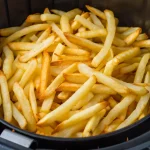
It takes longer because you cook in batches, but the quality difference is stark. Compare a crowded batch of soggy fries to a spaced-out batch of crispy ones.
Use wire racks in oven-style models to increase capacity without sacrificing airflow. Elevate foods off the basket floor. This allows heat to reach undersides.
However, do not stack racks tightly. Leave at least one inch of vertical space between levels. Proper spacing ensures consistent cooking throughout the entire load.
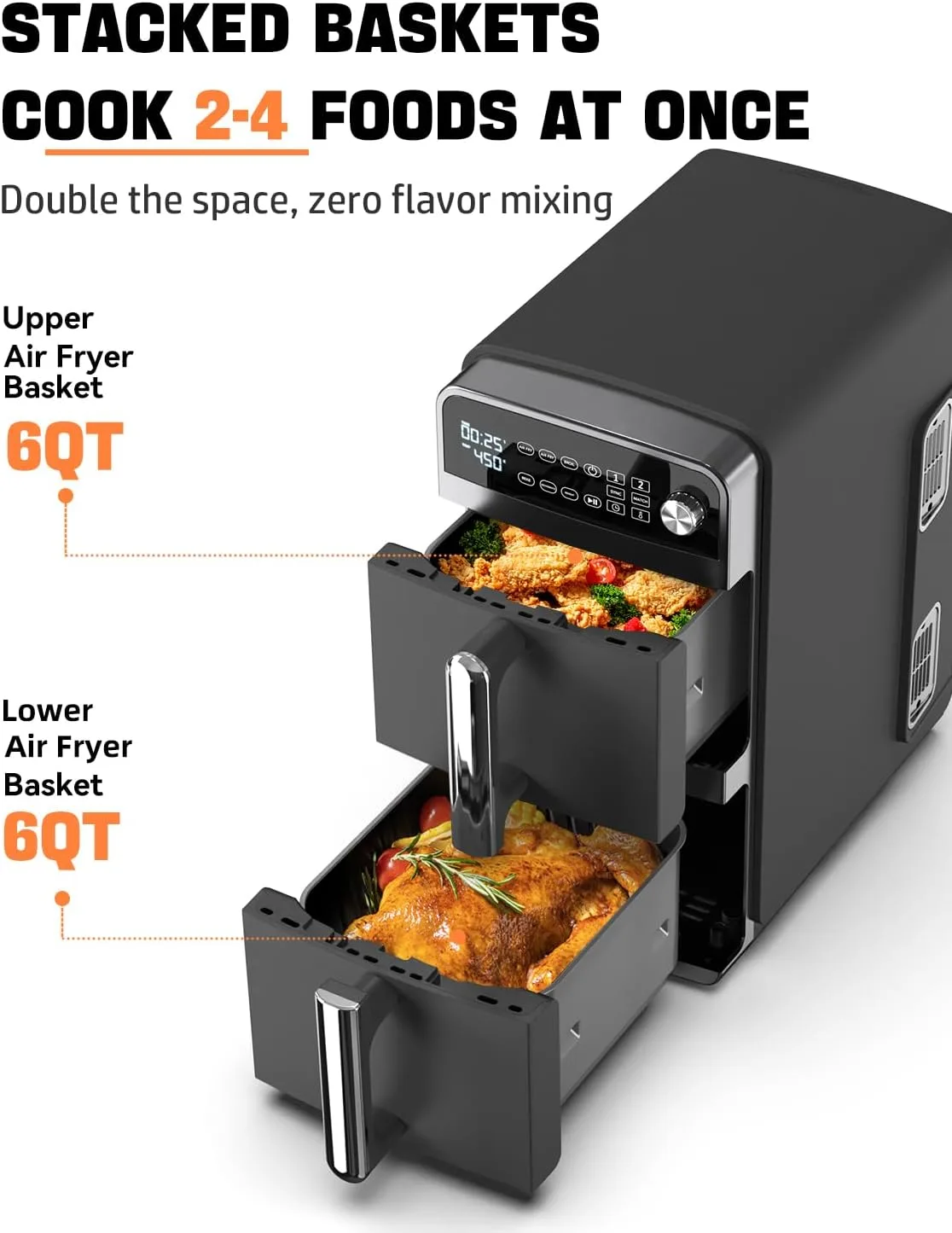
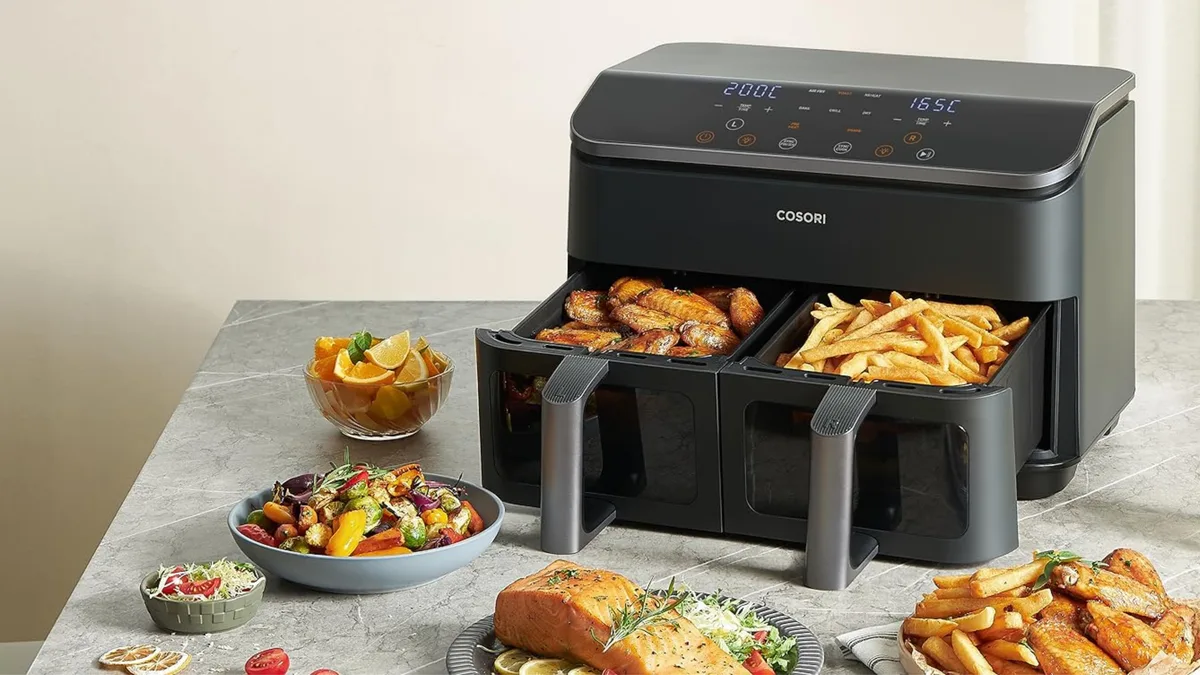
Image source: Web (Bing) / manuals.plus (Web image (fair-use with source credit))
â±ï¸ Chef Jessica’s Quick Recipe Snapshot
Air Fryer Verified
- Single Layer Only: Never stack or overlap in the basket; circulating high-velocity air creates the crisp barrier.
- Oil Sprayer Tip: Lightly mist with high smoke-point avocado or light olive oil (never use commercial aerosol sprays with propellants).
- Halfway Shake / Flip: Flip pieces halfway through the cycle to ensure uniform convection browning.
Essential Gear for Perfect Visual Results: Liners, Racks, and Spray Bottles
Perforated parchment paper is non-negotiable for delicate items like quesadillas or soft tacos. Solid foil traps steam underneath, creating soggy bottoms that ruin the texture. The holes allow hot air to circulate freely around the food’s base.
This ensures even browning on all sides, not just the top.
Silicone mats offer a reusable alternative but require careful monitoring. They can insulate the basket floor slightly more than paper liners. If your unit runs cool at the bottom, switch to perforated paper.
Manufacturer specs confirm that silicone withstands high heat without warping up to 450°F.
A fine-mist oil sprayer beats pouring from a bottle every time. Heavy streams cause pooling and smoking. Light mists coat surfaces evenly without saturating them.
This technique preserves the structural integrity of corn tortillas. It also prevents excess fat from dripping onto the heating element. Keep these tools within arm's reach during cooking sessions.
â±ï¸ Chef Jessica’s Quick Recipe Snapshot
Air Fryer Verified
- Single Layer Only: Never stack or overlap in the basket; circulating high-velocity air creates the crisp barrier.
- Oil Sprayer Tip: Lightly mist with high smoke-point avocado or light olive oil (never use commercial aerosol sprays with propellants).
- Halfway Shake / Flip: Flip pieces halfway through the cycle to ensure uniform convection browning.
Quick Reference Guide: Temperature and Time by Dish Type
Knowing the starting point saves you from guesswork. Use this table as a baseline, then adjust based on visual cues. Remember that wattage varies between models.
A 1500-watt unit cooks faster than a 1200-watt one. Always check five minutes before the timer ends.
| Dish Type | Temp (°F) | Time (Mins) | Visual Cue for Doneness |
|---|---|---|---|
| Corn Tortilla Chips | 375 | 5-7 | Golden brown edges, stiff snap |
| Chicken Thighs | 380 | 18-22 | Internal temp 165°F, crispy skin |
| Poblano Peppers | 400 | 12-15 | Blistered black skin, soft flesh |
| Frozen Taquitos | 390 | 12-15 | Uniform golden crust, no leaks |
| Elotes (Whole Cob) | 390 | 10-12 | Charred kernels, tender bite |
For meats, always verify internal temperature with a probe. The USDA recommends 165°F for poultry and 145°F for pork followed by rest time. Visual browning does not guarantee safety inside thick cuts.
Cut into the thickest part if you lack a thermometer. Steam should rise clear, not pink.
Vegetables like zucchini or bell peppers shrink rapidly. Start checking them at half the suggested time. Overcooked veggies turn mushy and lose flavor.
Aim for al dente textures where possible. Season after cooking to prevent salt from drawing out moisture prematurely. This keeps the final dish vibrant and fresh.
â±ï¸ Chef Jessica’s Quick Recipe Snapshot
Air Fryer Verified
- Single Layer Only: Never stack or overlap in the basket; circulating high-velocity air creates the crisp barrier.
- Oil Sprayer Tip: Lightly mist with high smoke-point avocado or light olive oil (never use commercial aerosol sprays with propellants).
- Halfway Shake / Flip: Flip pieces halfway through the cycle to ensure uniform convection browning.
FAQs
Can I reheat leftover enchiladas in an air fryer?
Yes, but cover them loosely with foil first. Reheating uncovered dries out the sauce and cheese. Set the temperature to 325°F for about 5-7 minutes.
Check frequently to ensure they are heated through without burning the top layer. This method revives moisture better than a microwave.
Why do my air fryer taquitos explode or leak?
Leaking usually happens when filling is too wet or overpacked. Drain excess liquid from beans or meat before rolling. Seal edges tightly with toothpicks if needed.
Cook at a moderate temperature like 375°F rather than max heat. High temps expand trapped steam too quickly, bursting the tortilla shell.
Do I need to preheat my air fryer for Mexican recipes?
Preheating helps with crisping tasks like tortilla chips or taquitos. It ensures immediate contact with hot air. For slower-cooking items like carnitas, preheating matters less.
Skip it to save energy if you’re roasting vegetables. Aggregate reviews suggest preheating adds consistency to small batches.
How do I keep salsa from making my nachos soggy?
Add salsa only after baking the chips and cheese. Warm the salsa separately on the stove or in a microwave-safe bowl. Layering cold, wet ingredients onto hot, crisp bases destroys texture instantly.
Serve components individually and let guests assemble their own bites. This maintains crunch throughout the meal.
🟠Chef Recommended: Oil Misters & Non-Stick Air Fryer Liners
Get maximum crunch with minimal oil while protecting your basket coating from sticky residue and propellant damage:
- Refillable Glass Oil Sprayer:Check Glass Oil Misters on Amazon →
- Reusable Silicone Air Fryer Liners:Check Reusable Silicone Liners on Amazon →
*FTC Disclosure: As an Amazon Associate, Air Fry Process earns from qualifying purchases.*
📖 Related Crispy Air Fryer Recipes:

Similar Posts